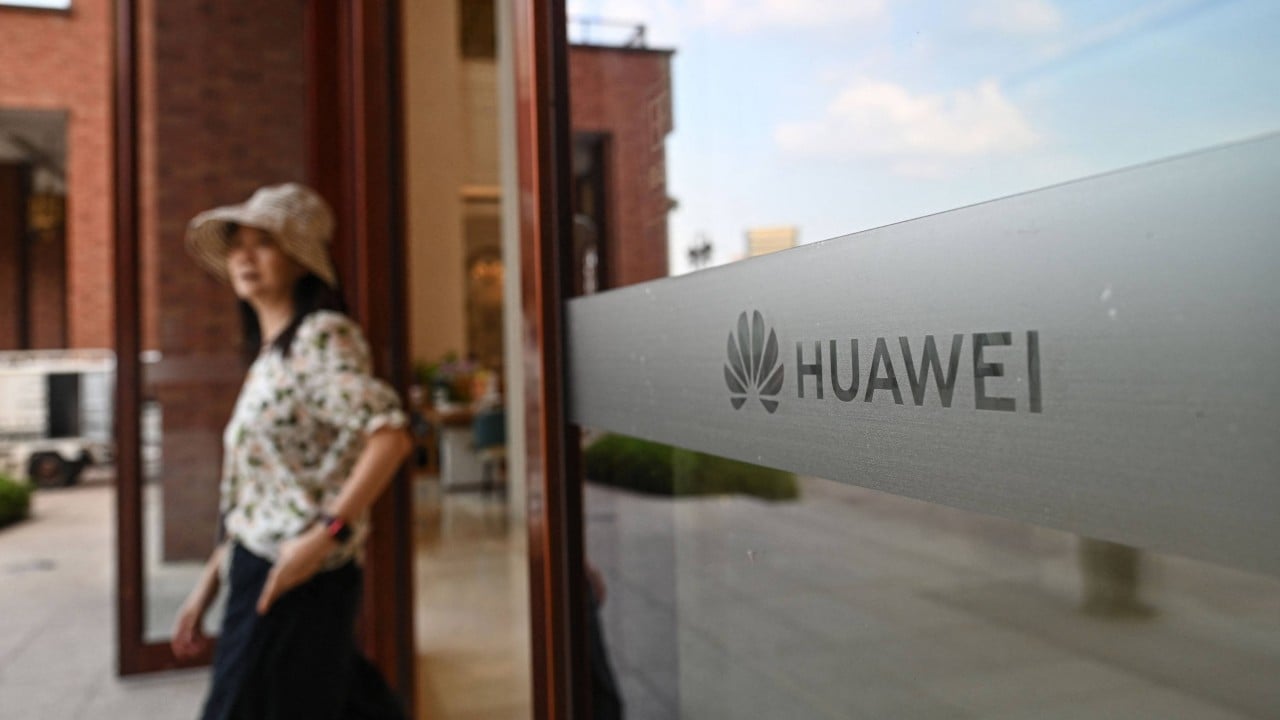
Huawei’s new chip philosophy gets run out with debut smartphone
Huawei Technologies has launched its Mate XT 2 trifold smartphone, featuring the new LogicFolding processors and Kirin 9050 Pro chips designed by its HiSilicon unit. This device is also the first to run on HarmonyOS 7, Huawei’s latest self-developed operating system. The smartphone is priced at 19,999 yuan (US$2,980) and above. This release reflects Huawei’s continued efforts to innovate in chip design and operating systems, partly in response to ongoing US sanctions. The company addressed concerns about its new chip-design approach prior to the launch event.
Huawei’s new Mate XT 2 smartphone, powered by LogicFolding processors and HarmonyOS 7, represents more than a product launch. It demonstrates China’s sustained push for self-sufficiency in critical technology components, particularly semiconductors and operating systems, amid US sanctions. The Kirin 9050 Pro chips, developed by Huawei’s HiSilicon unit, show progress in domestic chip design capabilities, even as the company navigates restrictions on advanced manufacturing. This development is significant for the broader Asian tech industry, as it could spur further investment and innovation in indigenous hardware and software ecosystems across the region. Other Asian tech firms will watch how Huawei’s new chip philosophy performs in the market. The 19,999 yuan price point positions the Mate XT 2 as a premium device, targeting a specific segment of the Chinese market. The success of LogicFolding processors and HarmonyOS 7 will be a key indicator of China’s ability to reduce reliance on foreign technology. If Huawei can scale this technology effectively, it could encourage other Asian nations to invest more heavily in their own domestic tech supply chains, potentially altering regional tech partnerships and competitive dynamics in the coming years.
Related reading
6 stories
China’s five-year plan for the information and communications sector
China's five-year plan for information and communications outlines the strategic context for Huawei's self-sufficiency push.
Once reliant on Samsung and SK Hynix, Chinese smartphone makers are turning to CXMT
Multimodal AI breakthrough could come within two years, SenseTime scientist says

DBS Expands Gold Storage Ahead of Singapore Clearing System
Partior and LSEG Target 24/7 Cross-Border Payment Settlement