China’s five-year plan for the information and communications sector
China's Ministry of Industry and Information Technology has released a new five-year development plan for its information and communications industries, covering the period from 2026 to 2030. This blueprint outlines 13 key targets aimed at a broader revamp of the sector by 2035, aligning with the country's goal to achieve "socialist modernisation." A primary objective of the plan is to increase the sector's revenues to 4.1 trillion yuan (US$610 billion). The initiative reflects China's ongoing efforts to strengthen its technological self-reliance and global competitiveness in critical digital infrastructure and services.
China's new five-year plan for information and communications, targeting 4.1 trillion yuan in sector revenues by 2030, is less about immediate growth and more about long-term strategic control. The 2035 target of "socialist modernisation" points to a deeper integration of state objectives with technological development, particularly in areas like 5G, AI, and cloud infrastructure. This is a continuation of Beijing's push for self-sufficiency, aiming to reduce reliance on foreign technology and supply chains. The real story is the emphasis on domestic innovation and standardization within China's digital economy. For Asian tech companies, this means increased competition from state-backed Chinese firms in regional markets, particularly in network equipment and digital services. It also suggests a hardening of China's internal market, making it more challenging for non-Chinese players to gain significant traction without aligning with these national objectives. The plan reflects a clear intent to build a robust, independent digital ecosystem.
Related reading
6 stories
Huawei’s new chip philosophy gets run out with debut smartphone
We traced China's push for self-sufficiency in chips with Huawei's new smartphone debut.

Chinese firms driving global consumer electronics innovation, says IFA CEO
This plan underscores the domestic innovation IFA's CEO noted as Chinese firms drive global consumer electronics.
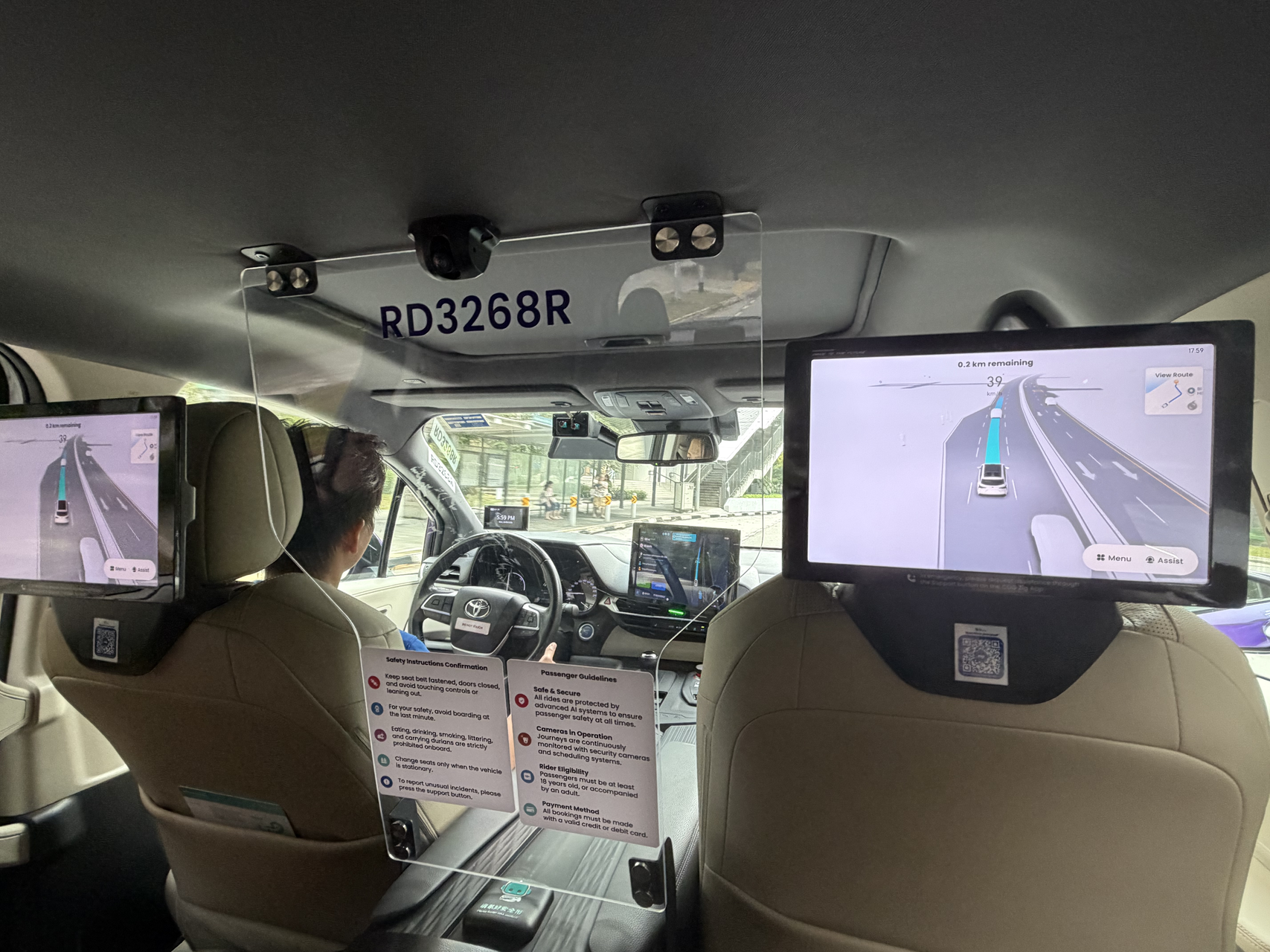
If driverless cars already work, why aren’t they everywhere?
People’s Daily rejects US claims of malicious AI distillation, warns of countermeasures

Sumsub Launches Workforce Verification as Deepfake Risks Grow