
U.S. Outspends China 5.6 to 1 on AI, but Gap in Computing Is Only 2 to 1
U.S. hyperscalers are outspending Chinese rivals 5.6 to 1 on AI infrastructure, yet the actual gap in data center capacity is only twofold, according to a Moody's report cited by the South China Morning Post. U.S. Big Tech companies, including Microsoft, Amazon Web Services, Alphabet, Meta, and Oracle, along with CoreWeave, are projected to spend $785 billion this year, rising to $1 trillion by 2027. Chinese tech firms are expected to spend $140 billion this year and $165 billion in 2027. China's data center capacity is forecast to grow at an annual rate of 19%, outpacing the U.S. rate of 14%, narrowing the capacity gap from 52 gigawatts in the U.S. versus 28 gigawatts in China by the end of 2025, to 100 gigawatts versus 67 gigawatts by 2030.
The significant capital expenditure by U.S. tech giants in AI infrastructure, at 5.6 times that of China, does not translate directly into a proportional lead in physical computing capacity. China's installed data center capacity is only two times less than the U.S., a gap that is projected to narrow further by 2030. This efficiency in China is driven by government incentives, tax breaks, and strategic placement of data centers in regions with lower energy costs and cooler climates. This suggests that Chinese policy effectively maximizes computing resources per dollar invested, a critical factor for Asian markets aiming to scale AI capabilities. While Chinese homegrown chips, such as Huawei's CloudMatrix 384, still consume significantly more power than Nvidia's advanced offerings due to U.S. sanctions, their model performance is catching up. Leading Chinese models from Moonshot AI, Z.ai, and Alibaba Group Holding are competitive on global benchmarks. The challenge for Chinese firms now shifts to monetizing these low-cost AI models, as their cloud revenues, like Alibaba's $7 billion, remain far behind U.S. counterparts.
Related reading
6 stories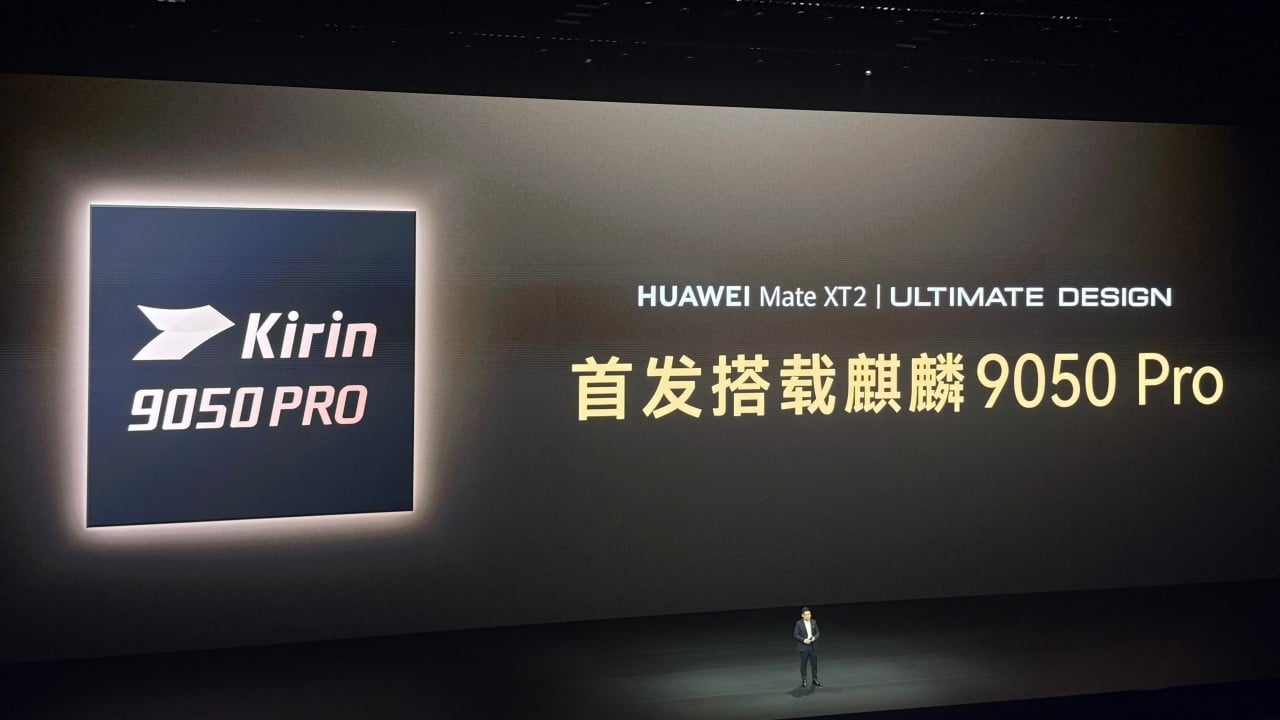
Huawei’s new Kirin chip puts LogicFolding to the test, with bigger ambitions in AI
Huawei's new Kirin chip is a key player in China's push for AI self-sufficiency, as discussed in this article.
Chinese AI firms Z.ai and MiniMax could remain loss-making until 2030, Macquarie says
This piece explores the financial realities and long-term profitability challenges for Chinese AI firms like Z.ai and MiniMax.
People’s Daily rejects US claims of malicious AI distillation, warns of countermeasures

Databricks to Invest Over US$350 Million in Singapore, Double Its Workforce

Personetics Launches AI Banking Console for Relationship Managers
