Huawei’s new Kirin chip puts LogicFolding to the test, with bigger ambitions in AI
Huawei Technologies has launched the Kirin 9050 Pro, its latest flagship mobile processor, which is the first commercial chip to use the company's LogicFolding architecture. This new chip powers Huawei's Mate XT 2 trifold smartphone and delivers a 42 percent performance increase over its predecessor. LogicFolding is Huawei's strategy to bypass US technology sanctions by layering circuits to boost performance, rather than relying on transistor miniaturization. The architecture splits core computing functions across two active layers designed to operate as a single unit, a different approach from existing 3D integration techniques that stack largely self-contained dies.
Huawei's Kirin 9050 Pro chip, featuring LogicFolding architecture, represents a significant technical workaround to US trade restrictions. The 42 percent performance leap in the Mate XT 2 trifold smartphone shows Huawei's ability to innovate under duress. This is not just a new product launch; it is a live test of advanced packaging as a primary strategy for performance gains in the absence of leading-edge lithography tools. For China's semiconductor industry, this approach could offer a viable path to higher performance chips without direct access to the most advanced Western equipment. However, the cost and complexity of LogicFolding are critical factors. Bonding two active silicon layers requires precise manufacturing steps, which can impact factory yields. Leslie Wu of RHCC noted that this approach is a compensatory route born of external constraints. The economics may be less compelling for global companies that can simply print smaller transistors on a single layer. The long-term viability for Huawei and other Chinese chipmakers will depend on their ability to scale production efficiently and manage these manufacturing challenges.
Related reading
6 stories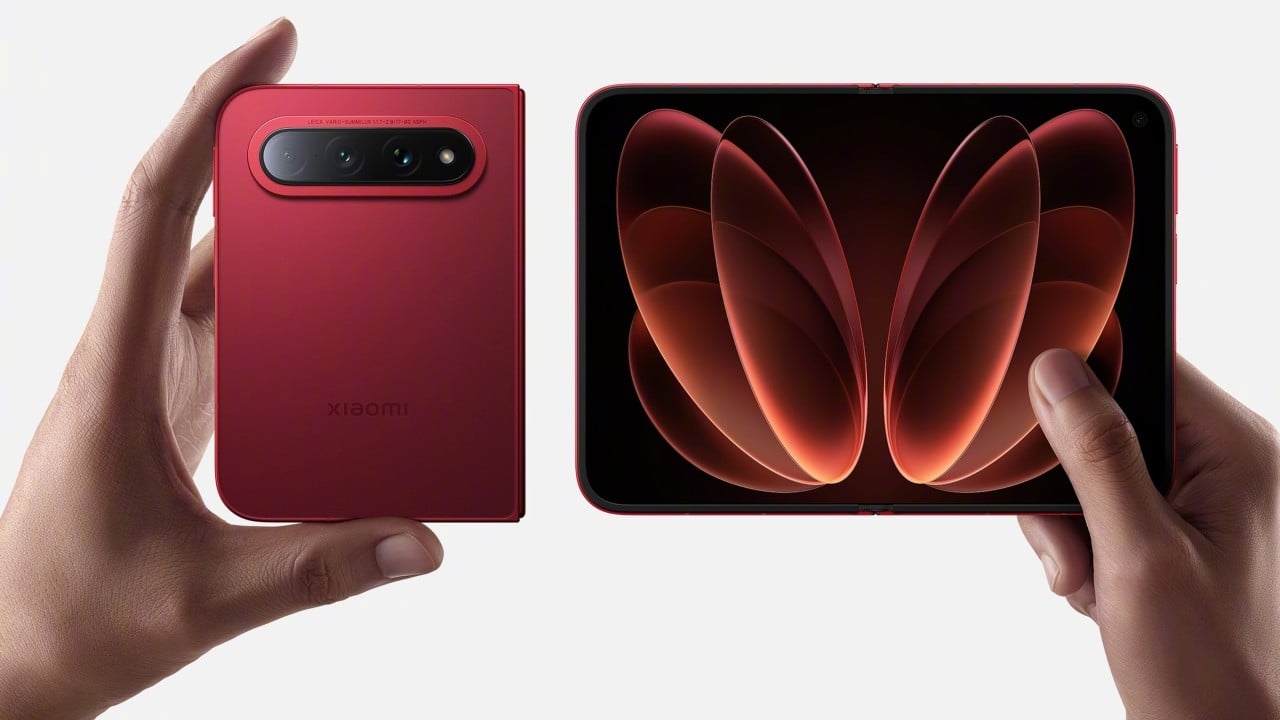
China’s Xiaomi unveils folding phone with home-grown chip as it takes on Apple, Huawei
Huawei's rival Xiaomi also unveiled a folding phone with a home-grown chip, highlighting China's domestic tech push.
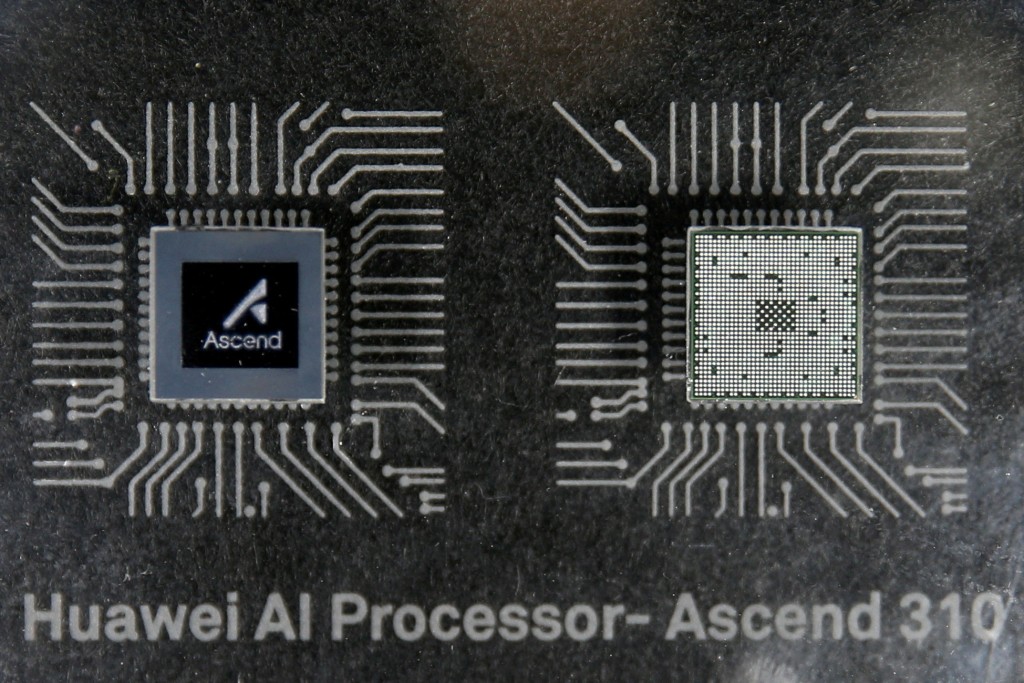
Malaysia eyes Huawei AI chips despite US warning: Bloomberg
Malaysia's interest in Huawei AI chips despite US warnings shows the geopolitical stakes of advanced semiconductor tech.

People’s Daily rejects US claims of malicious AI distillation, warns of countermeasures

Databricks to Invest Over US$350 Million in Singapore, Double Its Workforce
ByteDance’s AI-enhanced short-drama app eclipses China’s Netflix rivals combined