
Huawei Rebuts Overheating Doubts Over Tau Scaling Law Chips
Huawei has published a paper on ChinaXiv, the Chinese Academy of Sciences' preprint platform, directly rebutting overheating concerns about its next-generation chips developed under the "Tau Scaling Law." He Tingbo, president of Huawei's semiconductor business unit, addressed skepticism regarding the thermal challenges of vertically stacked logic circuits. The paper states that Huawei's Kirin 2026 chip, built on the Tau Scaling Law, increased transistor density by 55% from its predecessor and reduced power consumption by up to 66% in key tasks. This development comes as Huawei's net profit fell 36% in the first half of this year, despite a 9.6% revenue increase, due to a 25% jump in R&D spending.
Huawei's new paper on its Tau Scaling Law chips is a direct counter to the persistent criticism that vertical stacking would lead to insurmountable thermal issues. By claiming a 55% increase in transistor density and up to a 66% reduction in power consumption for the Kirin 2026, Huawei is attempting to validate its alternative to Moore's Law. This move is critical for China's semiconductor self-reliance efforts, positioning Huawei at the forefront of domestic chip innovation. The significant increase in R&D spending, up 25% in the first half of the year, underscores Huawei's commitment to overcoming US technology restrictions. While net profit fell 36%, the investment in developing proprietary chip architectures like the Tau Scaling Law reflects a long-term strategic play to secure future competitiveness. The key watchpoint for the Asian semiconductor industry will be the actual performance and market adoption of the Kirin 2026, as stable yields and real-world thermal management will be the ultimate test of Huawei's claims.
Related reading
6 stories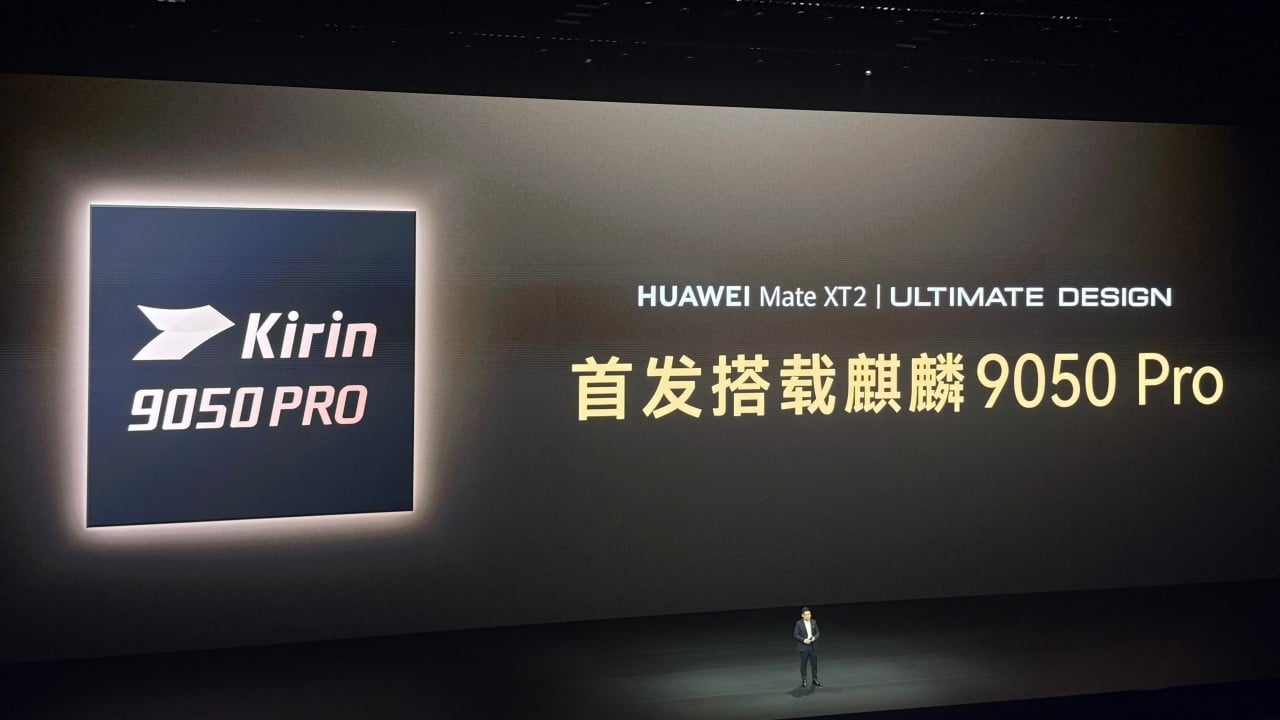
Huawei’s new Kirin chip puts LogicFolding to the test, with bigger ambitions in AI
Our earlier report detailed how Huawei's new Kirin chip would put its LogicFolding technology to the test.
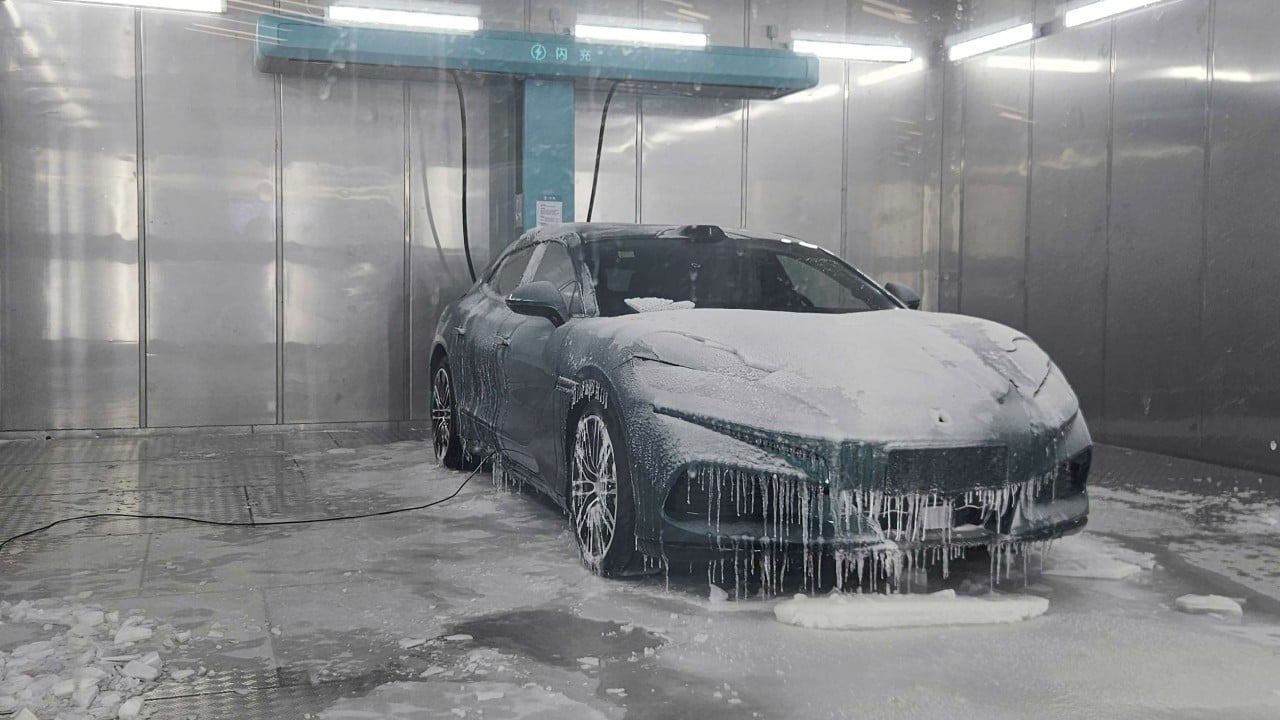
From BYD cars to DJI drones, Guangdong showcases tech prowess ahead of Apec summit
Guangdong's tech prowess, including Huawei's innovations, was showcased ahead of the Apec summit.
People’s Daily rejects US claims of malicious AI distillation, warns of countermeasures

Databricks to Invest Over US$350 Million in Singapore, Double Its Workforce

Personetics Launches AI Banking Console for Relationship Managers
