Robin Xing on how China’s ‘two-speed’ economy can solve contrasting problems
Robin Xing, chief China economist at Morgan Stanley, suggests that China's 'two-speed' economy can address challenges such as deflation and weak consumption. Xing believes the 'top half of the K' can offset these issues, driven by a new industrial revolution and demand-centric reflation.
The article introduces Robin Xing's perspective on China's economic structure, described as a 'two-speed' or K-shaped economy. This framing suggests a divergence where certain sectors or segments are performing well, while others face difficulties.
Xing's central argument is that the stronger parts of the economy can counteract broader issues like deflation and subdued consumption. The proposed mechanisms for this resilience are a 'new industrial revolution' and 'demand-centric reflation.' The article does not detail the specific policies or initiatives that would constitute these.
From an Asia tech and AI perspective, the concept of a 'new industrial revolution' is relevant as it often implies significant technological advancements and adoption. However, the provided text does not elaborate on which specific industries or technologies are expected to drive this revolution, or how it directly relates to AI or startups.
Share this article
Related reading
6 stories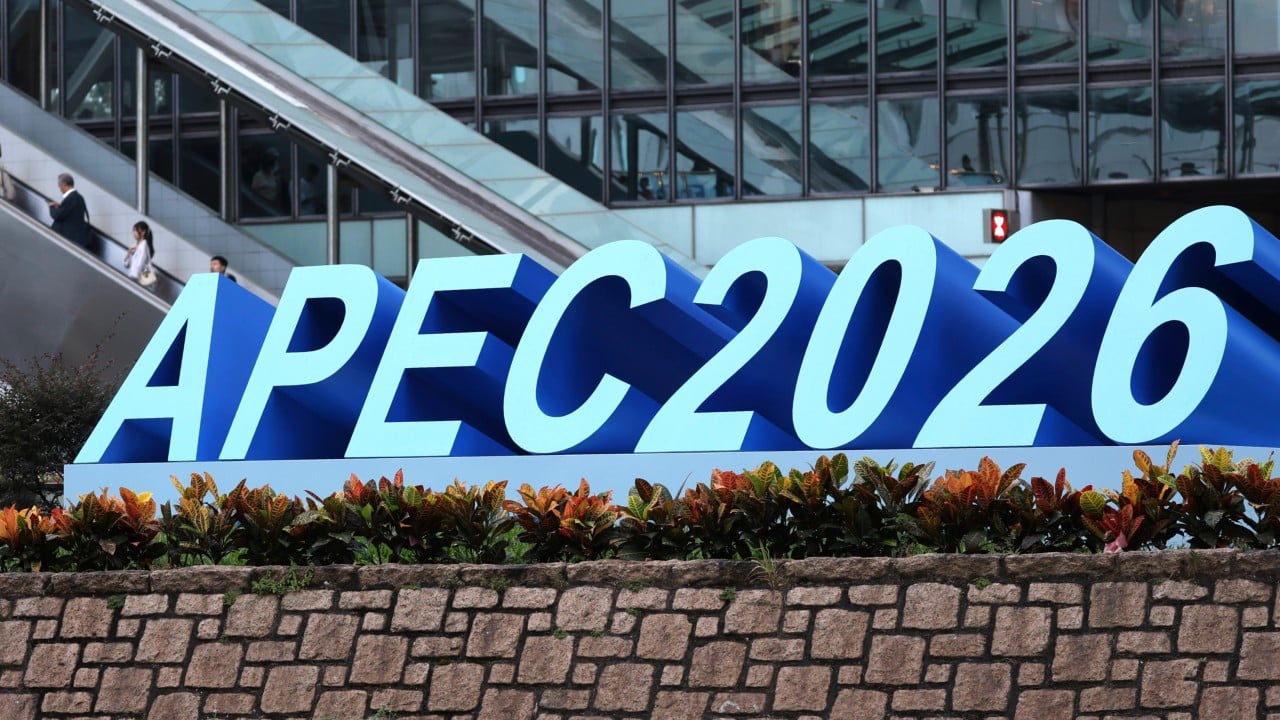
Apec finance ministers reach consensus on AI, digital financing in Hong Kong

SBI Probes Data Breach Involving 3,897 Customer Records
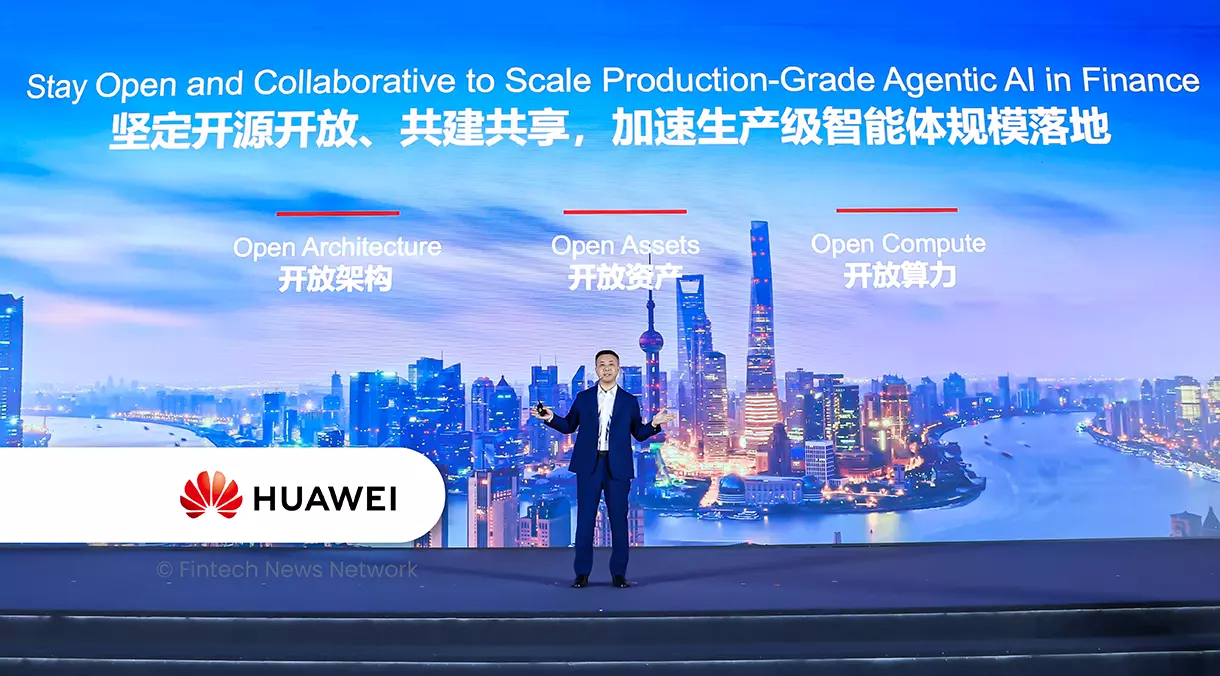
What Does It Take for a Bank to Own Its AI?

Thunes Adds Venezuela to Its Global Real-Time Payment Network
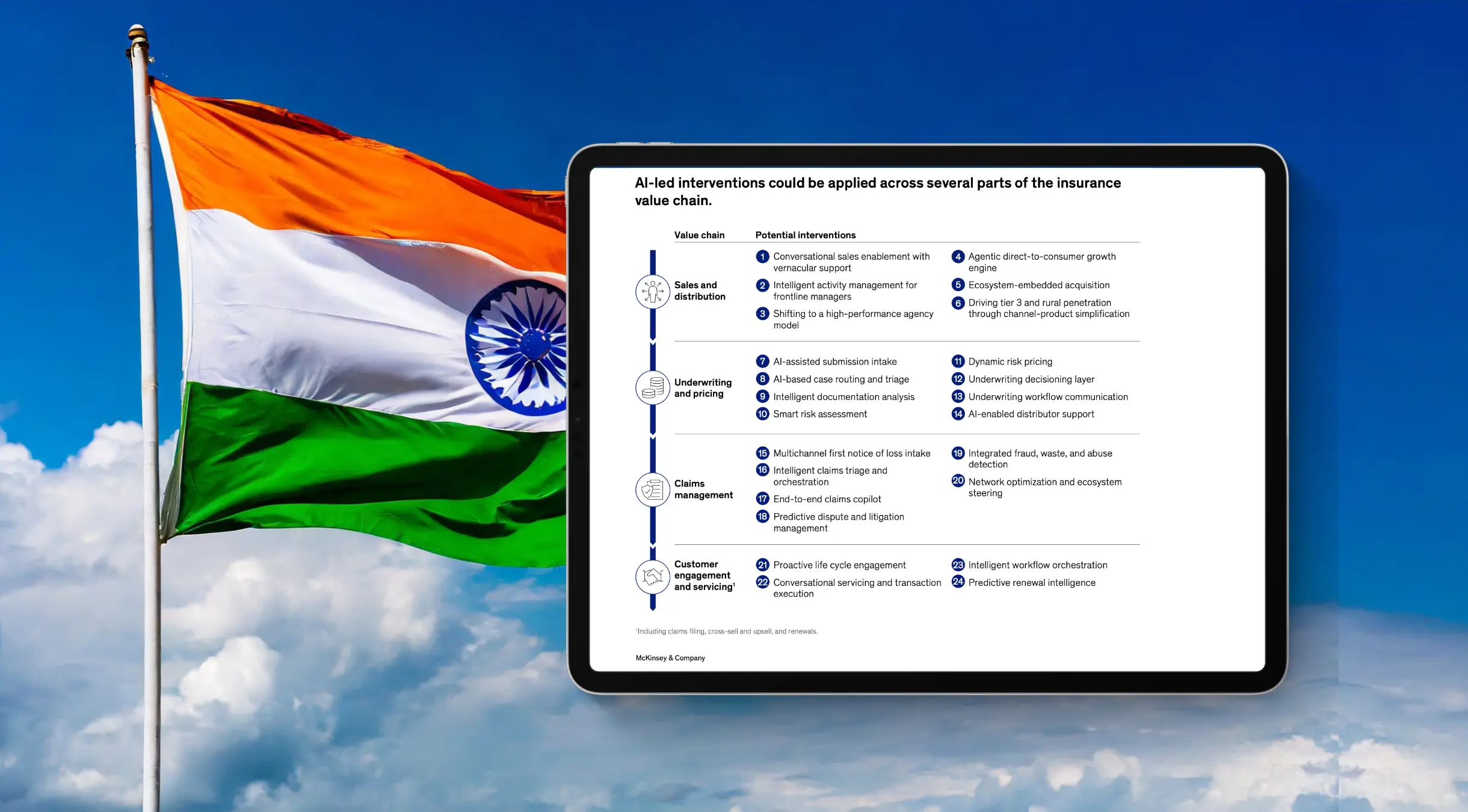
AI Can Boost Insurance Uptake in India