Do We Really Need Stablecoins?
A panel at Luno’s LIDAC conference, featuring representatives from Tether, Xweave, and Standard Chartered, recently discussed the potential of stablecoins and tokenized money to enhance cross-border payments. The conversation explored real-world applications in remittances, treasury, and supplier payments, alongside the challenges and opportunities for local-currency stablecoins.
The discussion centered on stablecoins' ability to deliver faster, cheaper, and more accessible cross-border payments. This addresses a persistent pain point for businesses and individuals engaged in international transactions, suggesting a practical application for blockchain-based financial tools beyond speculative investment. The panel also considered how stablecoins compare with tokenized deposits.
Opportunities and challenges for ringgit and other local-currency stablecoins were discussed, indicating an interest in tailored solutions that could address specific regional economic needs. This suggests a move beyond generic stablecoin concepts toward more localized financial tools.
For stablecoins to become everyday financial infrastructure, the panel identified liquidity, regulation, and collaboration as critical factors for adoption. These elements are interdependent: clear regulation can foster liquidity by increasing confidence, and industry collaboration can help establish common standards, both of which are necessary for widespread use.
Share this article
Related reading
6 stories
Apec finance ministers reach consensus on AI, digital financing in Hong Kong
SBI Probes Data Breach Involving 3,897 Customer Records

What Does It Take for a Bank to Own Its AI?

Thunes Adds Venezuela to Its Global Real-Time Payment Network
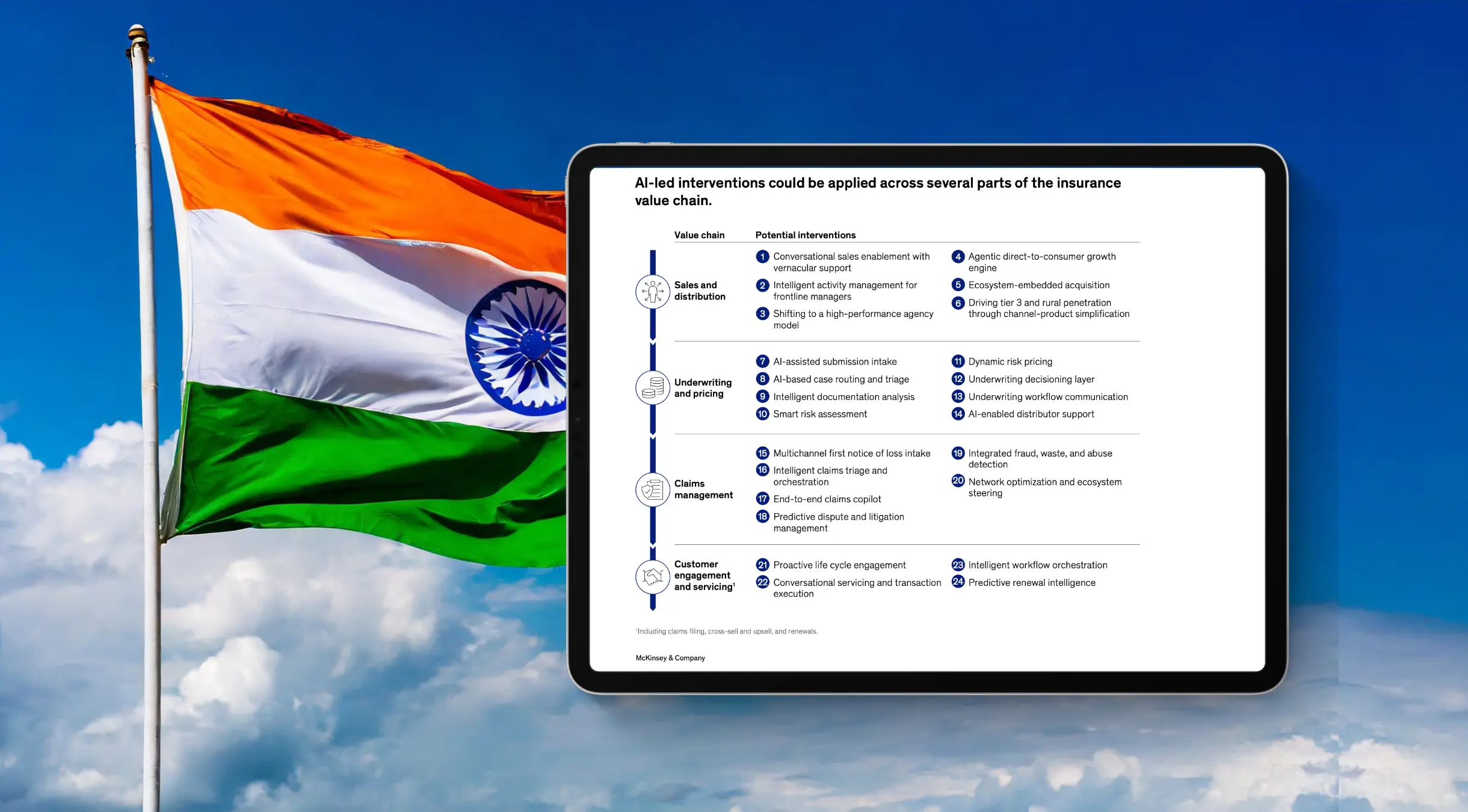
AI Can Boost Insurance Uptake in India