Can Japan beat the data center backlash?
Mounting global backlash against data centers, driven by environmental concerns and resource use, poses a significant risk to AI companies' ability to scale, Anthropic PBC stated in its IPO prospectus. While opposition has emerged in Japan amid Prime Minister Sanae Takaichi’s investment push, the country’s unique cultural perception of AI and specific economic needs may offer a more receptive environment for development.
Public and regulatory opposition to data center development is increasing globally, with concerns centered on environmental impact, land and water use, and power consumption. Anthropic PBC highlighted this backlash in its initial public offering prospectus, noting that such challenges could raise costs and limit its capacity to scale and deploy artificial intelligence models. This global trend of resistance has manifested in various regions, including pockets of Japan.
Despite nascent local opposition, Japan presents distinct characteristics that could differentiate its experience. The Japanese public is described as unusually sanguine about AI, often viewing robots as beneficial helpers rather than threats, which might temper the widespread anxiety seen elsewhere. Furthermore, AI's strengths align with Japan's pressing challenges, offering solutions for acute labor shortages, demographic pressures, translation for tourists, software engineering gaps, manufacturing efficiency, and elder care burdens.
Japan also benefits from an established digital infrastructure. BloombergNEF assessed it as having the most favorable environment for data center development among OECD Asia-Pacific markets, already possessing approximately 2 gigawatts of operating IT capacity. However, while local opposition is currently scattered, a more immediate constraint is energy supply. Data centers and chip fabs are projected to increase Japan's electricity consumption from under 1 percent this year to nearly 7 percent by 2035, according to SMBC Nikko analysts, a challenge the government reportedly acknowledges.
Share this article
Related reading
6 stories
Anthropic expands text watermarking to older Claude versions beginning November 3
Anthropic's data center concerns are highlighted; we previously covered their text watermarking expansion.
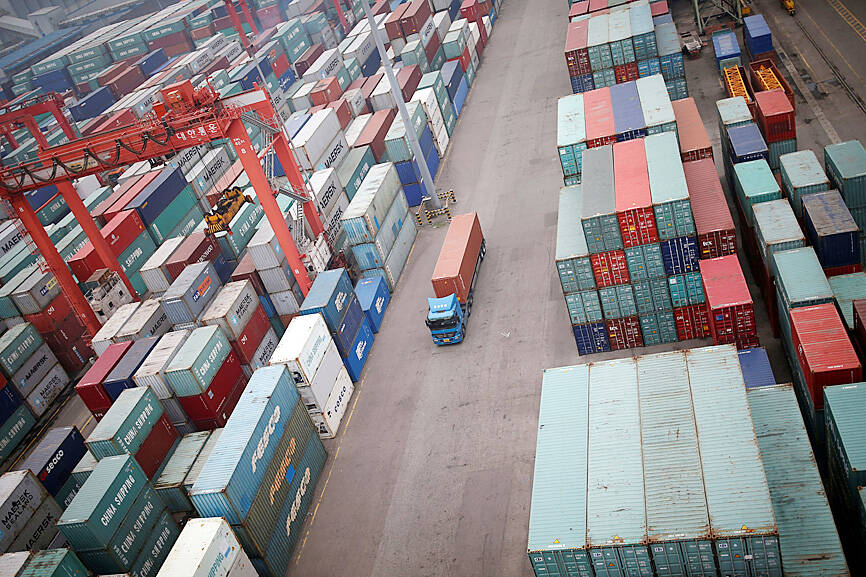
S Korea’s exports nearly double amid AI demand
South Korea's surging exports, driven by AI demand, offer a regional contrast to Japan's data center challenges.

Thunes and UnionPay Raise Daily Payout Limit to US$10,000 in China

DCS DeCard Launches Corporate Cards for Businesses in Hong Kong
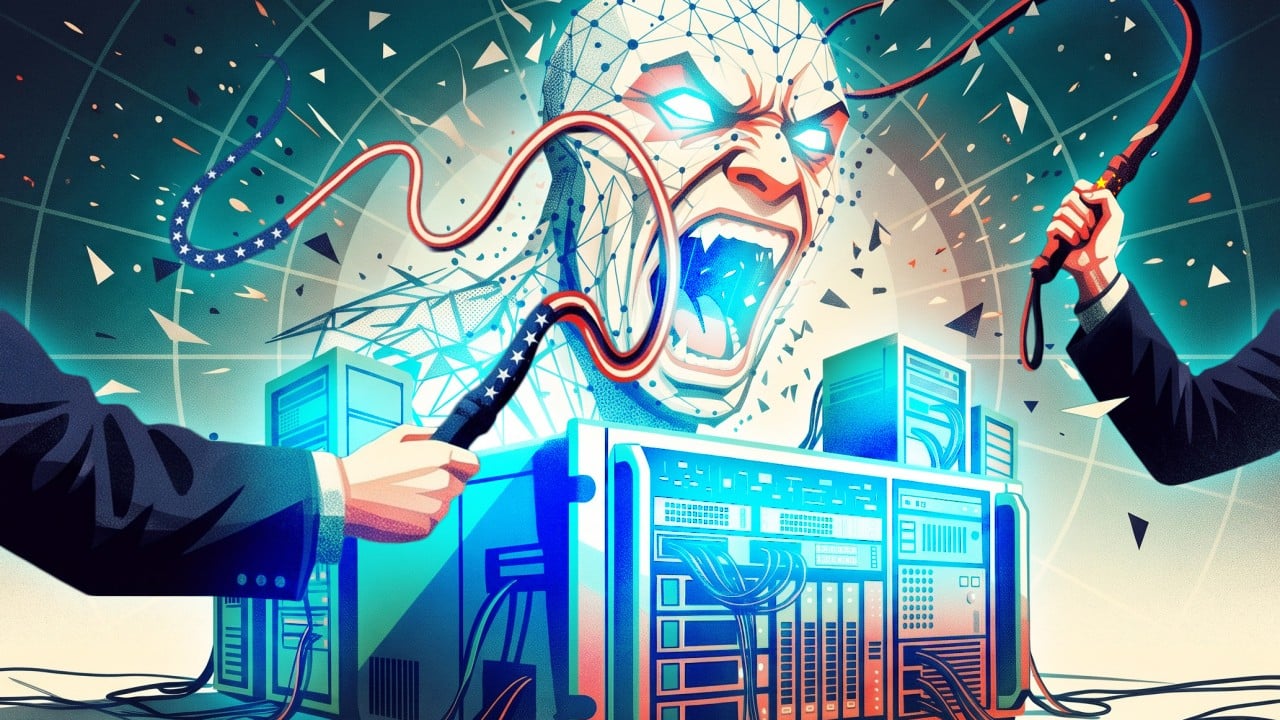
China and US need to join hands against another powerful adversary: AI