
Why TikTok is building a massive data center in Brazil
TikTok’s Chinese owner, ByteDance, is investing over BRL 200 billion (USD 39.2 billion) in a massive data center in Brazil, slated to begin operations in 2027. This facility, one of ByteDance’s largest outside China, is under construction at the Pecem Industrial and Port Complex in Ceara. The significant investment is driven by the global demand for computing power for AI, Brazil’s abundant renewable energy sources, and its large user base. The project also addresses international concerns over data sovereignty and national security, particularly regarding TikTok’s data transfers to China.
ByteDance’s substantial investment in a Brazilian data center highlights a growing trend among Asian tech giants to diversify their global infrastructure, driven by AI’s escalating computing demands and geopolitical pressures. This move signals a strategic shift towards localizing data infrastructure in key markets, mirroring similar efforts in the US and Europe, to mitigate data sovereignty concerns and comply with international regulations. For Asia’s tech ecosystem, this decentralization could lead to increased investment in emerging markets, fostering new digital infrastructure hubs outside traditional centers. It also underscores the competitive advantage gained by securing vast computing capabilities in the AI era.
Brazil’s appeal, stemming from its renewable energy resources and large user base, exemplifies how Asian companies are evaluating new regions for strategic expansion. This trend could reshape global digital infrastructure landscapes, creating new avenues for collaboration and competition. While it addresses some geopolitical tensions, particularly regarding data security, it also introduces new dynamics, such as the potential for increased US-China friction over influence in Latin America. The long-term implications for Asian tech companies involve navigating a complex web of regulatory, environmental, and geopolitical factors as they build out their global footprints.
Share this article
Related reading
6 stories
Mastercard Launches AI Assistant to Simplify Card Benefits
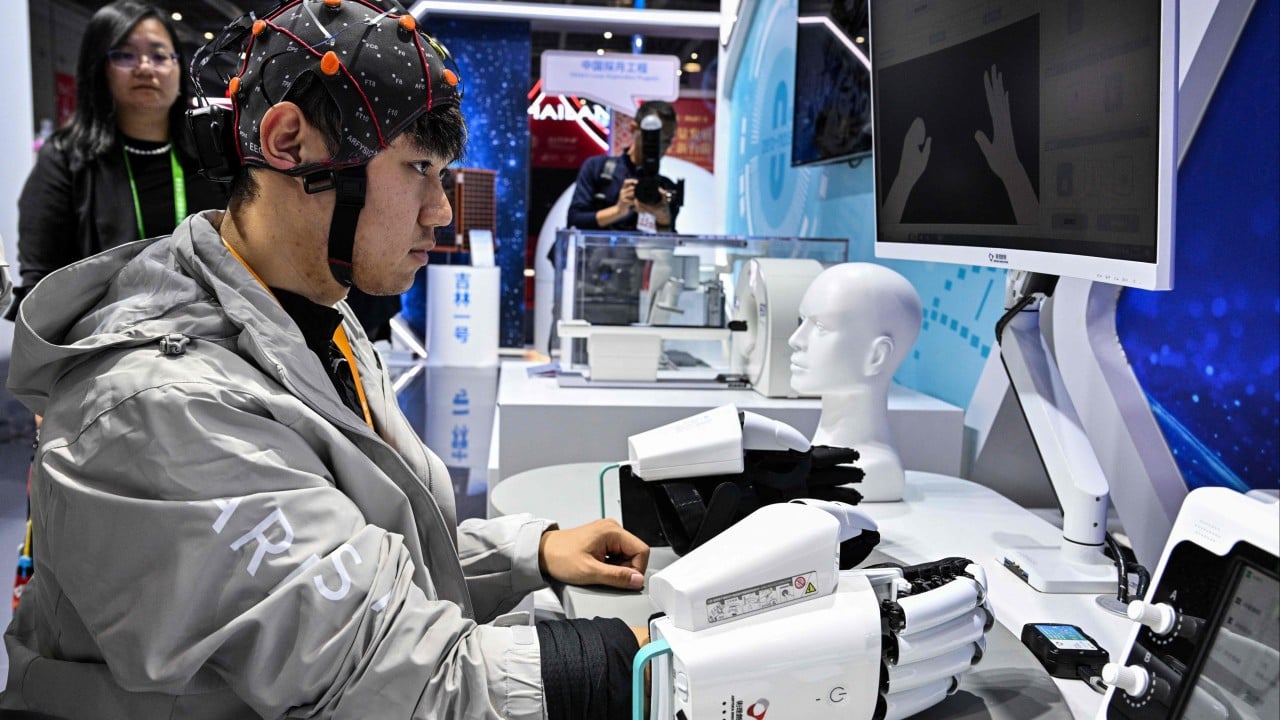
China moves to set global standards for brain-computer interface technology

Visa Tests AI-Powered Business Payments, Introduces New Fraud Controls
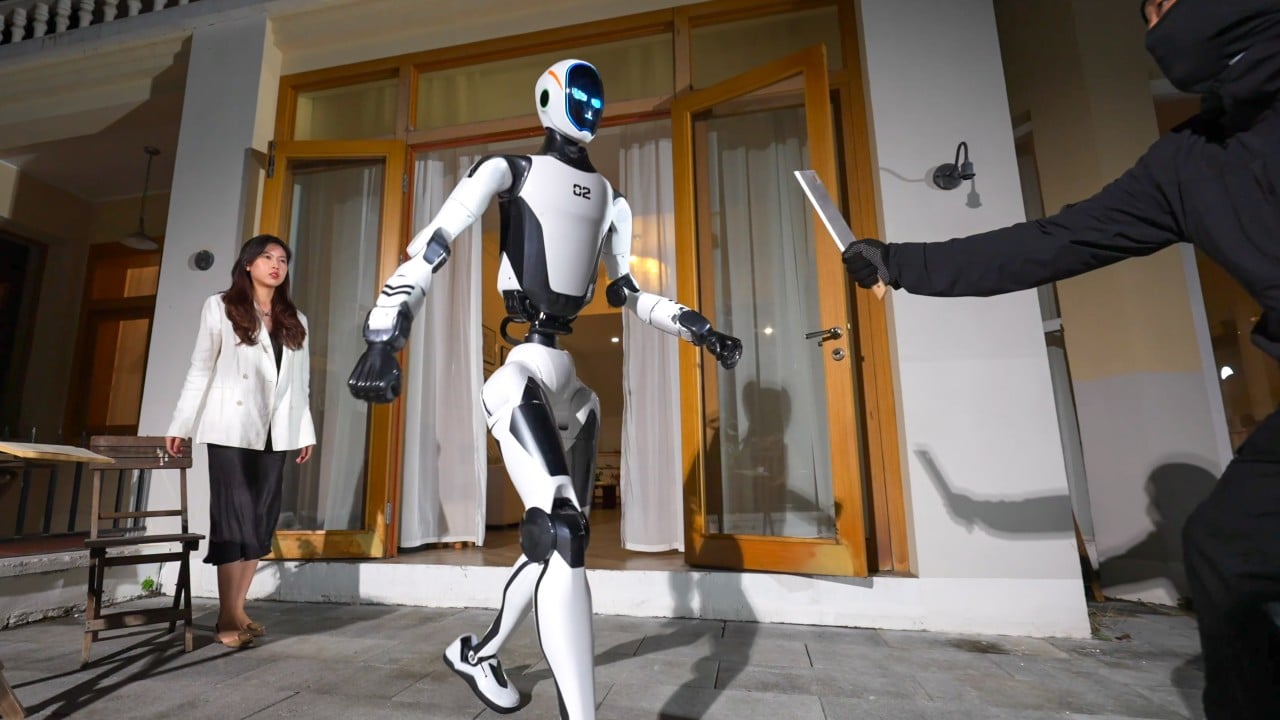
China’s Unitree unveils ‘guardian’ robot that can disarm attackers, lift cars

Websites go dark worldwide as AI exposes critical security flaws
