
Should you still buy your next smartphone — or subscribe to it instead?
Smartphone ownership models are evolving, with Apple’s new Upgrade program signaling a shift towards subscription-based access rather than outright purchase. This trend reflects a broader industry move to make high-end devices more accessible while ensuring recurring revenue streams for manufacturers. Consumers may find these programs appealing due to lower upfront costs and predictable upgrade cycles, potentially changing how they perceive and interact with mobile technology. The shift could also influence device longevity and repairability as companies seek to manage their leased hardware. This development suggests a future where owning a smartphone becomes less common than subscribing to its use.
The emergence of smartphone subscription models, exemplified by Apple's Upgrade program, holds significant implications for Asia's diverse tech markets. In highly competitive markets like India and Southeast Asia, where price sensitivity is a major factor, these programs could democratize access to premium devices, potentially boosting market share for brands that adopt similar strategies. This shift might also accelerate the upgrade cycle, benefiting manufacturers and component suppliers across the region, many of whom are based in countries like South Korea, Taiwan, and China.
Furthermore, the subscription model could reshape consumer financing and retail strategies. Local telecom operators and retailers in countries like Japan and Singapore might integrate these programs into their offerings, creating new revenue streams and customer loyalty initiatives. It also presents a challenge and opportunity for local smartphone brands to innovate their own financing and ownership models to remain competitive against global giants. The long-term impact could see a move away from traditional ownership, influencing everything from device design to after-sales service across the continent.
Share this article
Related reading
6 stories
Canva releases its first image generation model

Nirva raises $33M for a pendant that only listens to you

India’s Aerospace Industry Likely To Grow Twice As Fast As Global Market: Report
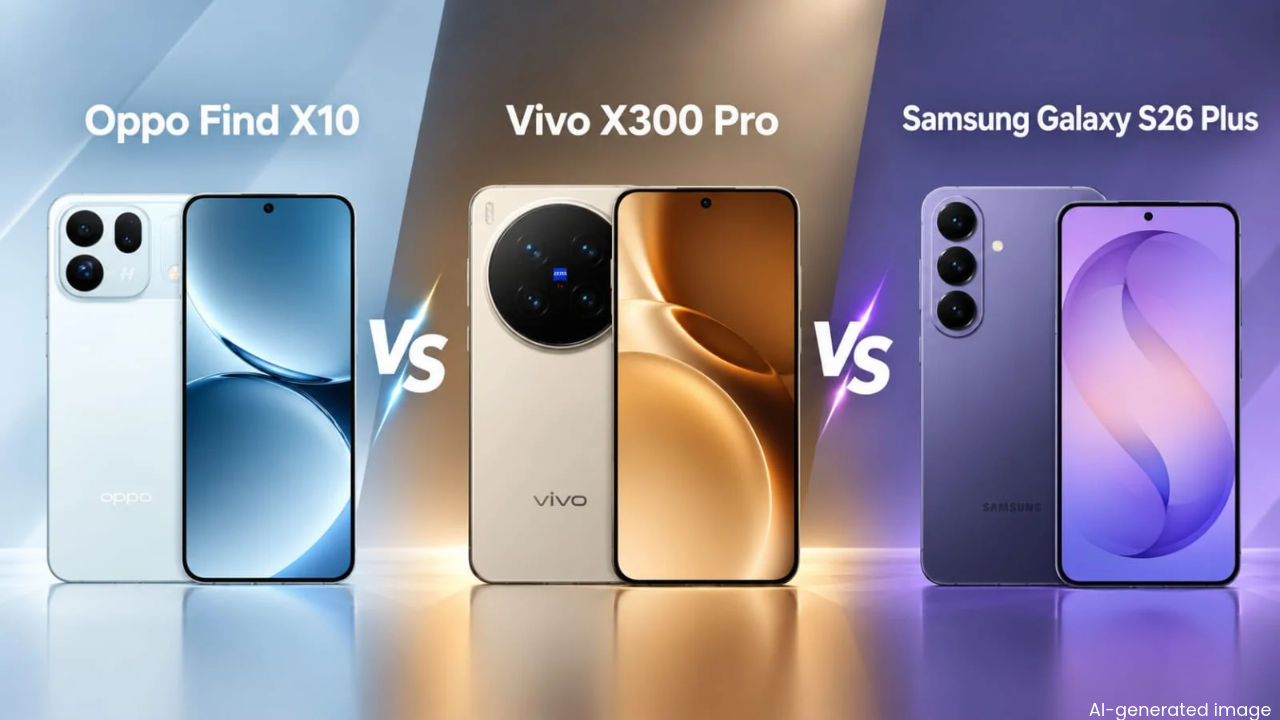
Oppo Find X10 vs Vivo X300 Pro vs Samsung Galaxy S26 Plus: Price in India, camera, battery, processor and other specs compared

Cybersecurity Alert: AI Finds PHP Flaws, eMudhra Faces Certificate Concerns
