
Musk's Chip Gamble Threatens Samsung, Opens Door for Suppliers
Elon Musk is accelerating construction of "Terafab," a facility for in-house artificial intelligence chip production, targeting full-scale mass production by late 2028. This initiative could alter future orders for Korean semiconductor giants Samsung Electronics and SK Hynix, though initial operations might create new opportunities. Musk acknowledged the aggressive timeline and uncertainty over meeting the target.
Musk's Terafab project aims to produce both logic and memory chips in-house for Tesla's self-driving vehicles, humanoid robots, and SpaceX's AI data centers. The plan involves handling everything from chip design to advanced packaging, with an initial investment exceeding $16.8 billion in Grimes County, Texas. This could potentially reduce Samsung Electronics' future contract manufacturing volumes for chips beyond its existing AI6 deal with Tesla, which runs through 2033.
The success of Terafab's in-house logic chip production hinges on securing advanced process technology and stable manufacturing yields. Intel is reportedly participating, with Musk stating an intent to use Intel's 1.4-nanometer-class "14A" technology. Talks with TSMC, the world's largest foundry, reportedly stalled over operational control, as Musk intends to run the facility himself, contrary to TSMC's typical operating principle.
While Terafab's long-term goal includes in-house memory production, the timeline for advanced memory, particularly High-bandwidth memory (HBM), appears less defined. HBM requires sophisticated packaging technology beyond basic DRAM manufacturing. Terafab has not disclosed when or how much HBM it will produce, and its initial test production next year is reported to be static random-access memory (SRAM) circuits for process validation, not DRAM. If logic chip production expands first, the complex memory needed for AI applications will likely depend on outside suppliers for a considerable period, potentially creating an opening for Korean memory firms.
Share this article
Related reading
6 stories
The return of the CPU
Musk's Terafab project highlights the resurgence of in-house chip production, a trend we explored with the return of the CPU.

Mastercard Launches AI Assistant to Simplify Card Benefits
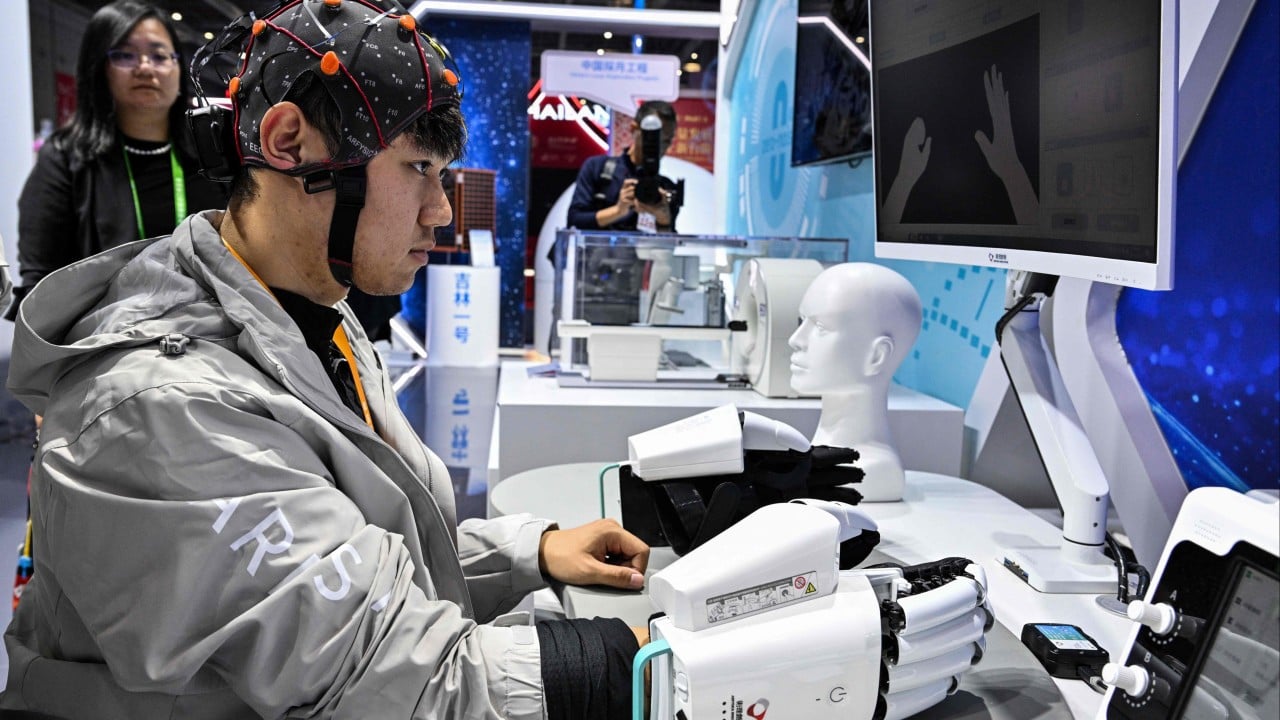
China moves to set global standards for brain-computer interface technology

Visa Tests AI-Powered Business Payments, Introduces New Fraud Controls
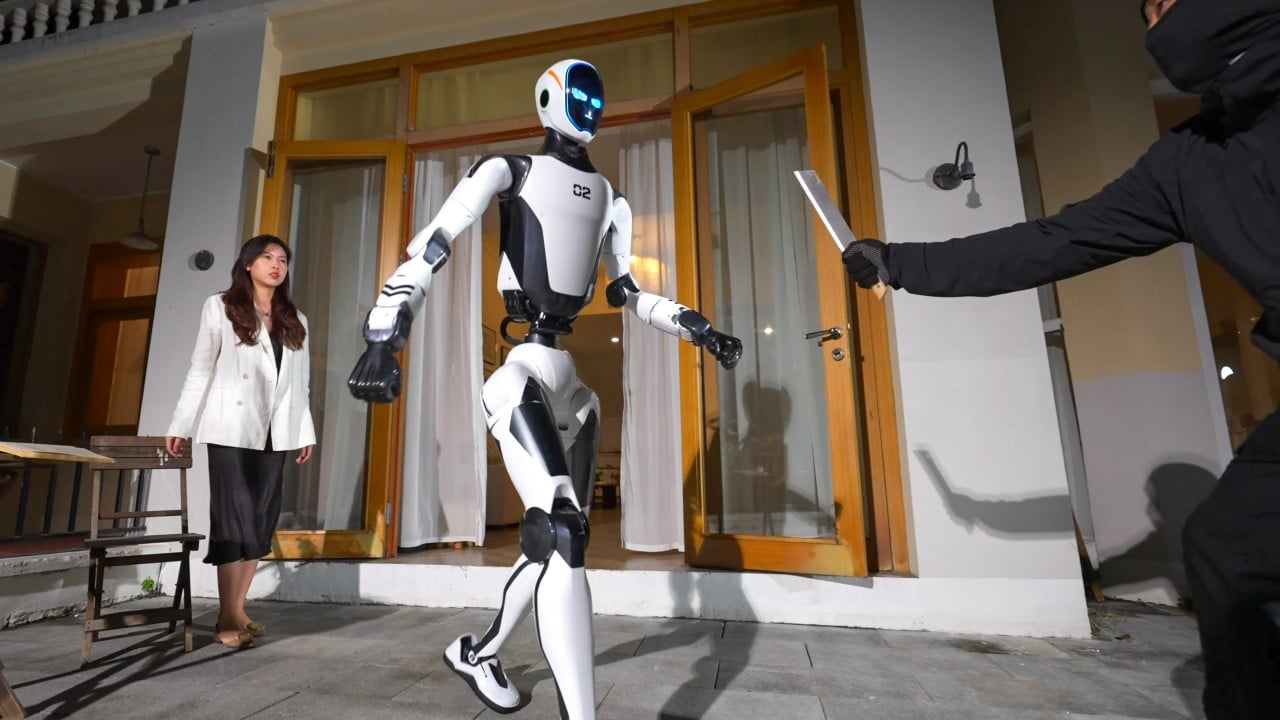
China’s Unitree unveils ‘guardian’ robot that can disarm attackers, lift cars
