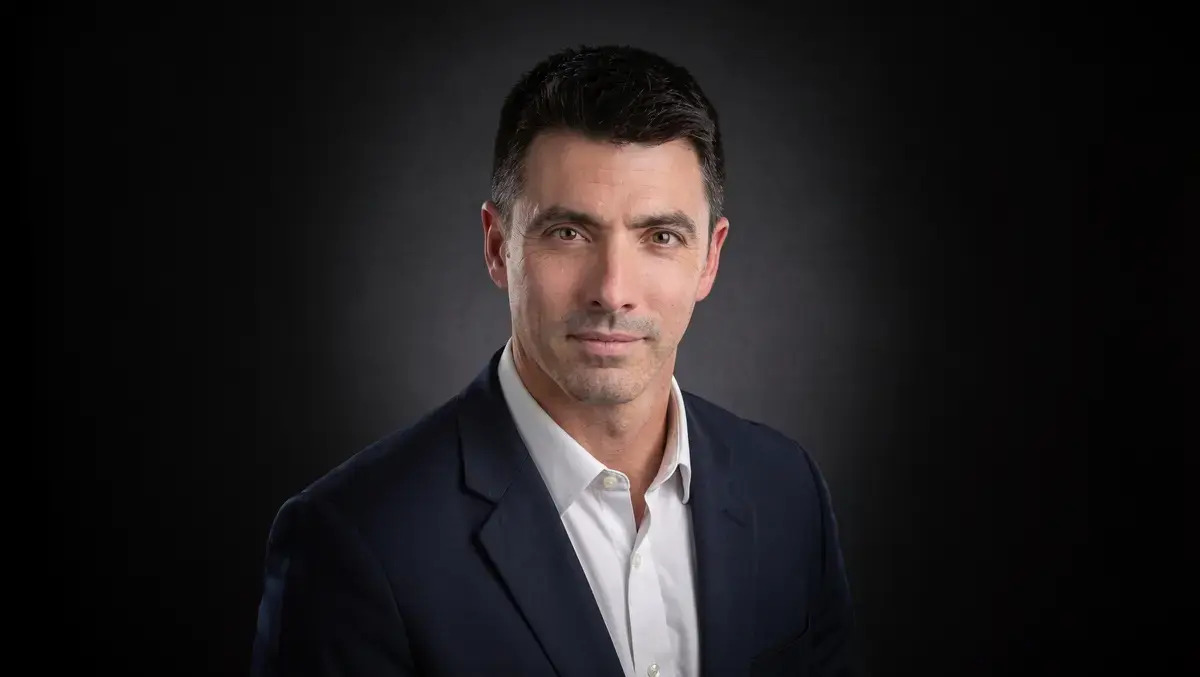
WB chief outlines development agenda
World Bank President Ajay Banga outlined a vision for the institution last Friday, focusing on job creation, economic opportunity, and connecting private capital to developing nations. He aims to address an estimated shortfall of 800 million jobs in the developing world by integrating public finance, private investment, philanthropy, and technology.
Banga's strategy includes mobilizing private capital, with the World Bank announcing $112 billion raised for developing countries last month, nearly on par with its own lending. While Banga frames this as augmenting existing development financing, critics argue this approach allows private companies to use public funds to de-risk investments, potentially shifting costs onto governments and the Bank while retaining profits. This highlights a contention over the balance of risk and reward in such partnerships.
A stated challenge is to increase private capital investment specifically in low-income countries, where the need for development financing is greatest. To address this, the Bank's strategy emphasizes micro-, small-, and medium-sized enterprises (MSMEs). This focus suggests an intent to foster economic growth and job creation through localized business development, rather than solely through large-scale projects.
The Bank also introduced an initiative for "small AI," referring to bespoke, less advanced artificial intelligence applications. These are intended to provide practical solutions for people in the developing world, such as improving agricultural yields, tailoring educational instruction, assisting health workers, or helping entrepreneurs reach new customers. This approach prioritizes accessible, context-specific AI tools over more complex or expensive technologies.
Under Banga, the World Bank has adjusted its climate change policy, extending it indefinitely but dropping specific targets for the percentage of financing dedicated to climate-related impacts. Banga has stated that the Bank's work should be guided by client countries' demands rather than its own prescriptions, indicating a shift towards country-driven strategies and compacts for development initiatives.
Share this article
Related reading
6 stories
Singapore to Introduce IPO Guides for Retail Investors

Standard Chartered Signs Deal to Acquire Zodia Custody

Allianz Singapore Offers Up to S$50 for Haze-Related Medical Treatment

AI Can Find the Opportunity. Can Your Payment Platform Launch it First?

An AI apocalypse? Hong Kong’s real challenge is much less dramatic