Token Inequality Revives Korea's Knowledge Divide
Access to AI tools, which charge by the token for processing queries and reasoning, is creating a new "token divide" in South Korea, according to a report citing former FCC chairman Tom Wheeler. This cost structure differs from flat-rate internet and may determine educational, competitive, and developmental opportunities for students, small businesses, and startups.
The article argues that the cost structure of AI, where users pay per token for computing and reasoning, is reintroducing a form of knowledge inequality. Unlike the internet era, where flat-rate access helped narrow the information gap, AI's usage-based fees mean that those with greater purchasing power can engage in more extensive analysis, refinement, and iteration, potentially leading to superior outcomes in education and business.
This token divide has direct implications for fairness in competitive environments. For students, the ability to use AI for multiple drafts or to compare different models can significantly impact assignment quality. Similarly, startups developing prototypes or verifying code may find their ability to experiment and refine limited by token budgets, making it difficult to distinguish between technical capability and financial constraints when evaluating project outcomes.
The core distinction highlighted is that while the internet lowered the barrier to accessing information, AI broadens the capacity to analyze and apply that information as knowledge. However, this enhanced capability is now tied to a variable cost, meaning that the depth and breadth of AI-assisted learning and development are increasingly contingent on one's ability to afford continuous usage.
Share this article
Related reading
6 stories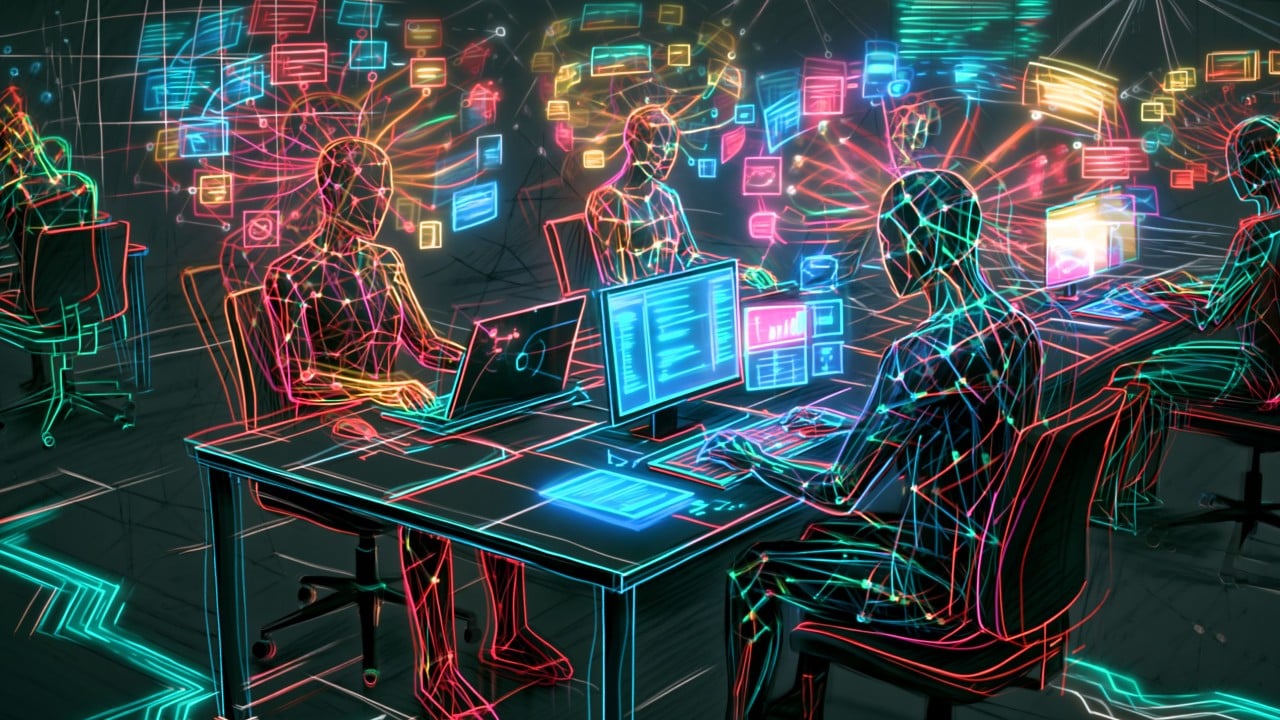
The AI promise was automation. The reality? Managing digital workers
The article explores how AI's cost structure creates a knowledge divide, echoing our earlier piece on AI's shift from automation to managing digital workers.

Temasek Invests in EQT’s €5 Billion Scaleup Europe Fund

Visa, BILL and Billtrust Launch AI Agent Pilot for B2B Invoice Payments
Why Anthropic has a major China problem ahead of its blockbuster IPO
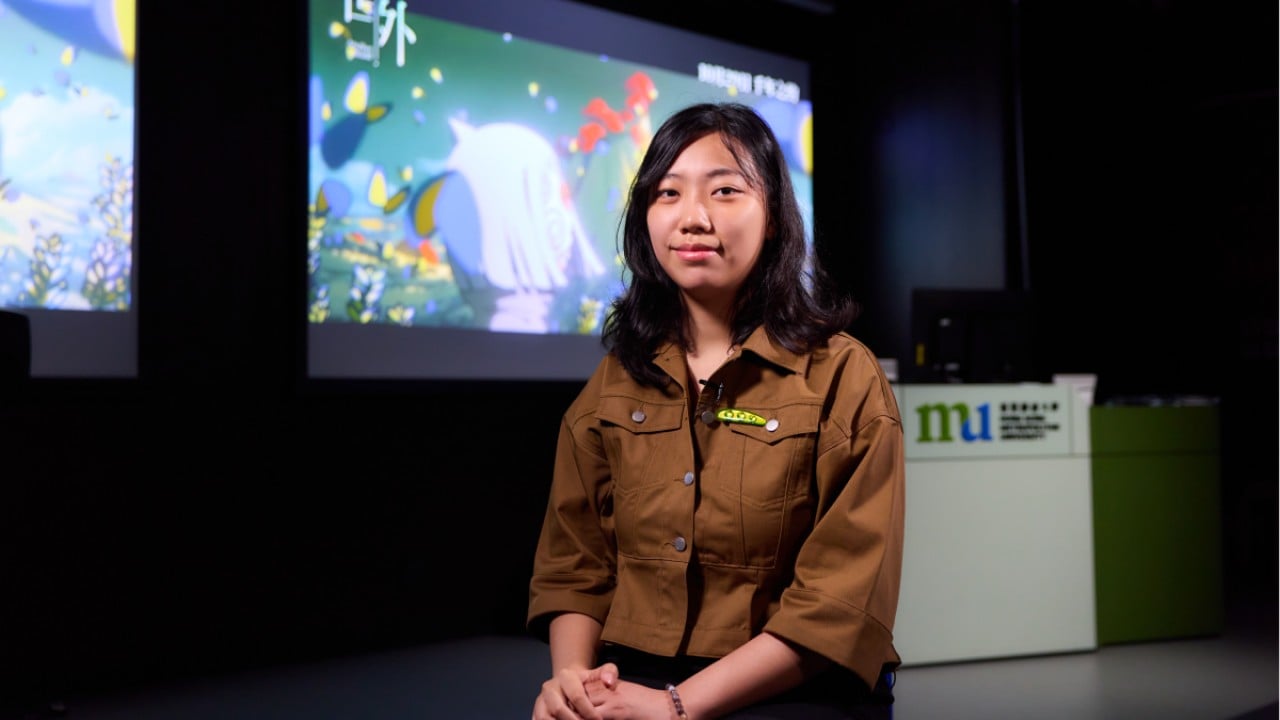
Another World drawn by hand and heart: A key animator's seven-year craft