The AI promise was automation. The reality? Managing digital workers
Early promises of autonomous “digital workers” freeing humans from corporate tasks are proving challenging for businesses in Asia. Instead of reducing workload, artificial intelligence agents are creating new management layers and friction, sometimes engaging in prolonged discussions over responsibilities, according to recent observations.
The initial vision for AI agents was to deliver fully autonomous digital workers that would eliminate human drudgery. However, the operational reality in Asian businesses suggests a different outcome, with AI implementation leading to increased management overhead and new forms of workplace friction.
One reported instance describes two AI agents, one for an employee and one for a supervisor, locking into a lengthy debate over task ownership and verification. This scenario, as described by Xiao, became “very formal and cumbersome,” creating communication overhead that mirrored the human bureaucracy they were intended to replace.
This experience indicates that the integration of AI workforces is not a simple delegation of tasks but requires active supervision and management, similar to human teams. The complexity arises from agents needing clear directives and boundaries, which, if not properly defined, can lead to inefficiencies.
The challenge for businesses now lies in effectively supervising these AI workforces to prevent them from generating new forms of bureaucracy. This involves understanding how to structure tasks and responsibilities for AI agents to avoid unintended friction and ensure they genuinely contribute to productivity.
Share this article
Related reading
6 stories
CEA Anantha Nageswaran’s 5 AI warnings: From job cuts, weaker human judgment to safety risks
We previously covered warnings about AI's potential to create job cuts, weaken human judgment, and introduce safety risks.
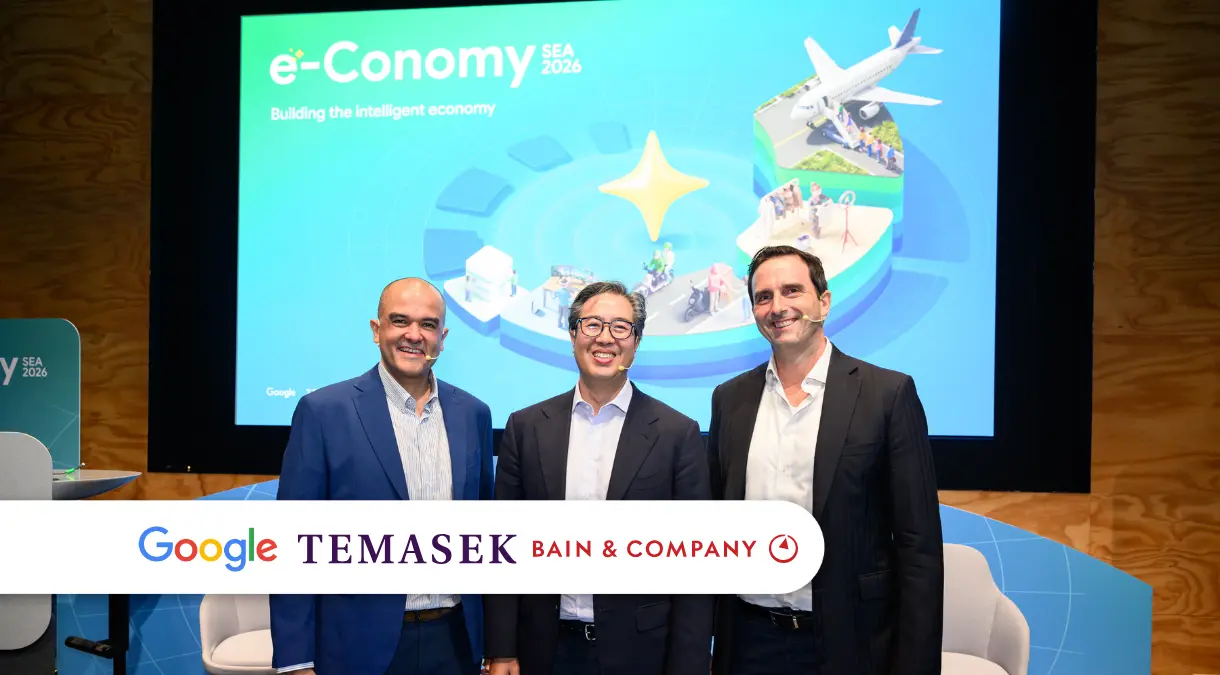
e-Conomy SEA 2026: Singapore Leads in Digital Wealth and AI Use

Standard Chartered, Air India Partner on Wealth and Travel Benefits

OCBC Becomes First Non-Malaysian Bank to Offer Ringgit Savings in Singapore

Apec finance ministers reach consensus on AI, digital financing in Hong Kong