CEA Anantha Nageswaran’s 5 AI warnings: From job cuts, weaker human judgment to safety risks
India’s Chief Economic Adviser, Anantha Nageswaran, has warned that the rapid adoption of artificial intelligence (AI) could lead to various risks, including fewer entry-level jobs, diminished human judgment, safety failures, financial instability, and pressure on government finances. Speaking at the Per Jacobsson Foundation Lecture in Bangkok, Nageswaran highlighted potential consequences for financial institutions and public revenues.
Nageswaran's remarks focus on the economic and cognitive impacts of AI. He suggests that companies may reduce entry-level hiring as AI performs routine tasks more cheaply, potentially leading to a future shortage of experienced professionals. This dynamic could particularly affect developing economies, which often rely on a large workforce but might then struggle to cultivate skilled individuals capable of overseeing AI-generated work.
A second concern is the potential erosion of human capabilities. Increased reliance on AI for tasks involving learning and judgment could weaken individual cognitive abilities. Nageswaran cited research from the MIT Media Lab, which tracked people writing essays with and without an AI model, reporting weakened brain connectivity with increased reliance on the tool. This phenomenon was described as "cognitive debt," highlighting concerns about people becoming dependent on AI at the expense of developing their own thinking abilities.
The CEA also warned that the effects could extend beyond individuals to institutions. He cited arguments that AI could weaken the transfer of professional knowledge and obscure accountability for decisions. Nageswaran specifically identified central banks and finance ministries as institutions that depend on accumulated expertise and explainable judgments, suggesting that excessive reliance on AI could undermine these critical capabilities.
Share this article
Related reading
6 stories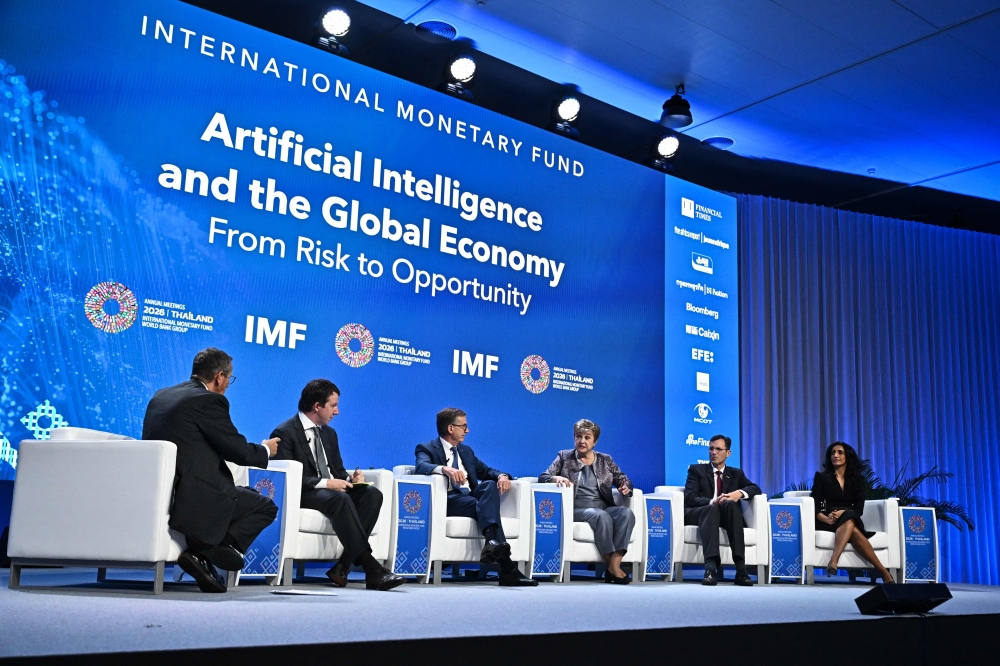
IMF says AI slowdown could knock 0.4pc off global GDP by 2028
The IMF also warned of AI's potential economic impact, forecasting a 0.4% knock off global GDP by 2028.
China’s proposed AI tech export bans may create short-term costs, long-term gains: analysts
China's proposed AI tech export bans could create short-term costs, echoing Nageswaran's economic concerns.

Tesla signs deal to integrate Alipay into its cars as China competition heats up

Foursquare co-founder says equity holders saw no returns from the company’s acquisition

You can soon access OpenAI's AI models on Google Cloud