
Tencent's 770B Hy4 AI Model Is Open Source, Here's What Makes It Different
Tencent has open-sourced its Hy4 AI model, featuring 770 billion total parameters with 49 billion active parameters per token. This Mixture-of-Experts architecture allows for enormous total capacity without the computational burden of a dense model. Hy4 also boasts a context window exceeding one million tokens, positioning it for complex, multi-step tasks rather than simple chatbot responses. Tencent’s Hunyuan team focused on real-world productivity tasks for training, involving internal colleagues from software engineering, game development, finance, and security. The model is available through Hugging Face and Tencent Cloud TokenHub, with free access offered via WorkBuddy and CodeBuddy for two weeks post-launch.
Tencent's open-sourcing of the Hy4 AI model, with its 770 billion total parameters and 49 billion active parameters, marks a significant move in the Asian AI landscape. The Mixture-of-Experts architecture is designed for efficiency, allowing the model to handle large-scale tasks without the prohibitive computational cost of a dense model of similar size. This approach is particularly relevant for the competitive enterprise AI market across Asia, where companies seek powerful yet cost-effective solutions. The model's one-million-token context window and training on real-world tasks from Tencent's diverse business lines (including software engineering and finance) suggest a strong focus on practical application over benchmark scores. This strategy could give Hy4 an edge in addressing complex business challenges within large Asian corporations. However, Tencent itself notes that Hy4 may "overthink or repeatedly verify answers on some complex tasks," potentially leading to slower response times. This candid admission points to the need for independent testing to validate its real-world performance against other open models. For Asian developers and enterprises, the availability of Hy4 via Hugging Face and Tencent Cloud TokenHub, along with free access periods for WorkBuddy and CodeBuddy, lowers the barrier to entry for experimenting with a high-capacity model. This could accelerate AI adoption and innovation across the region, particularly in sectors requiring extensive document processing or complex code analysis.
Share this article
Related reading
6 stories
Singapore to Introduce IPO Guides for Retail Investors

Mastercard Launches AI Assistant to Simplify Card Benefits
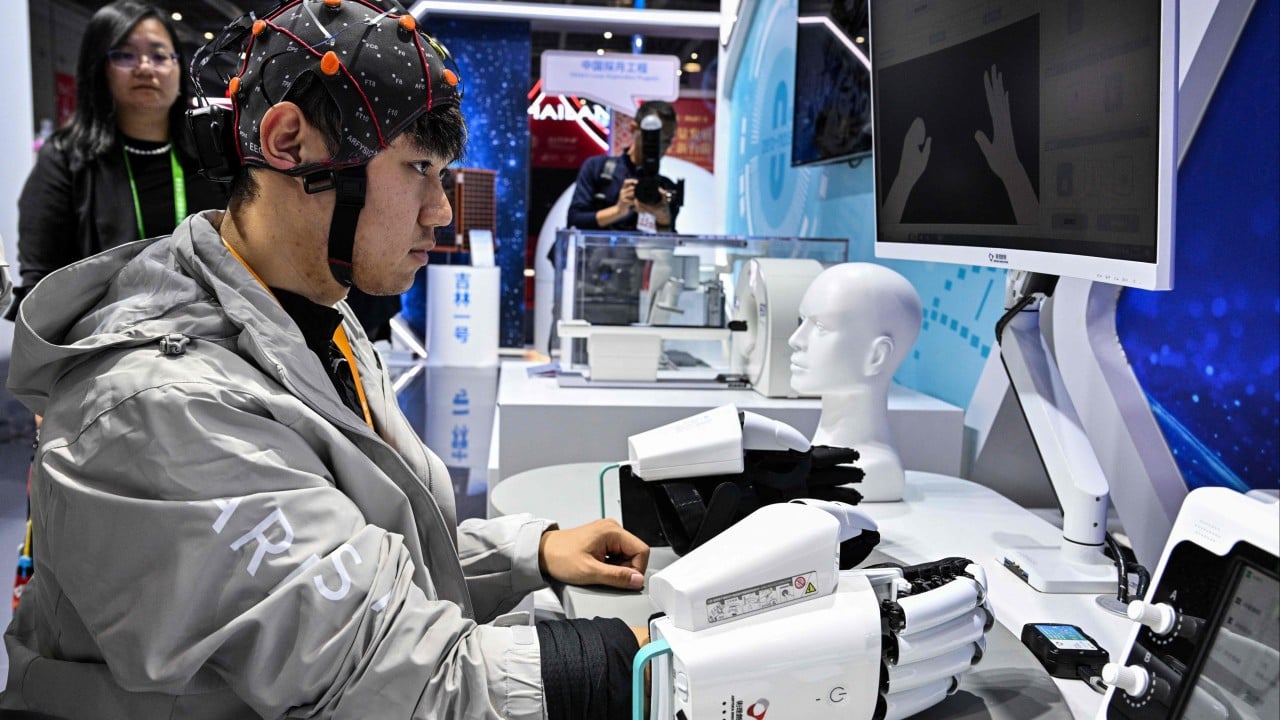
China moves to set global standards for brain-computer interface technology

Visa Tests AI-Powered Business Payments, Introduces New Fraud Controls

Standard Chartered Signs Deal to Acquire Zodia Custody
