T-Mobile ‘chopped a cable’ to expel Chinese hackers from its network
T-Mobile successfully thwarted a major cyberattack by Chinese-backed hackers, preventing a large-scale breach of its network. The U.S. phone provider identified the threat early and took decisive action, including physically disconnecting parts of its infrastructure, to expel the intruders. This incident highlights the ongoing and escalating cyber warfare between state-sponsored actors and critical infrastructure providers. The quick response by T-Mobile underscores the importance of robust cybersecurity protocols and rapid incident response capabilities in protecting sensitive data and maintaining network integrity against sophisticated threats.
This incident, while centered on a U.S. company, carries significant implications for Asia’s tech ecosystem, particularly in the realm of cybersecurity and supply chain integrity. The involvement of Chinese-backed hackers underscores the persistent geopolitical tensions that frequently manifest in cyber espionage and attacks on critical infrastructure. Asian telecommunications providers and tech companies, many of whom rely on global supply chains and operate within complex geopolitical landscapes, must recognize the heightened risk of similar state-sponsored incursions. This event serves as a stark reminder that national security interests are increasingly intertwined with the security of private sector networks.
Furthermore, the incident could prompt a re-evaluation of cybersecurity partnerships and technology sourcing within Asia. Countries and companies may lean towards diversifying their tech stacks and strengthening local cybersecurity capabilities to mitigate risks associated with potential state-sponsored threats. For AI development, which often relies on vast datasets and secure network infrastructure, such breaches can compromise data integrity and intellectual property, potentially slowing innovation or diverting resources towards defensive measures rather than advancement. The broader trend suggests an increasing need for regional collaboration on cybersecurity standards and intelligence sharing to protect the collective digital economy.
Related reading
6 stories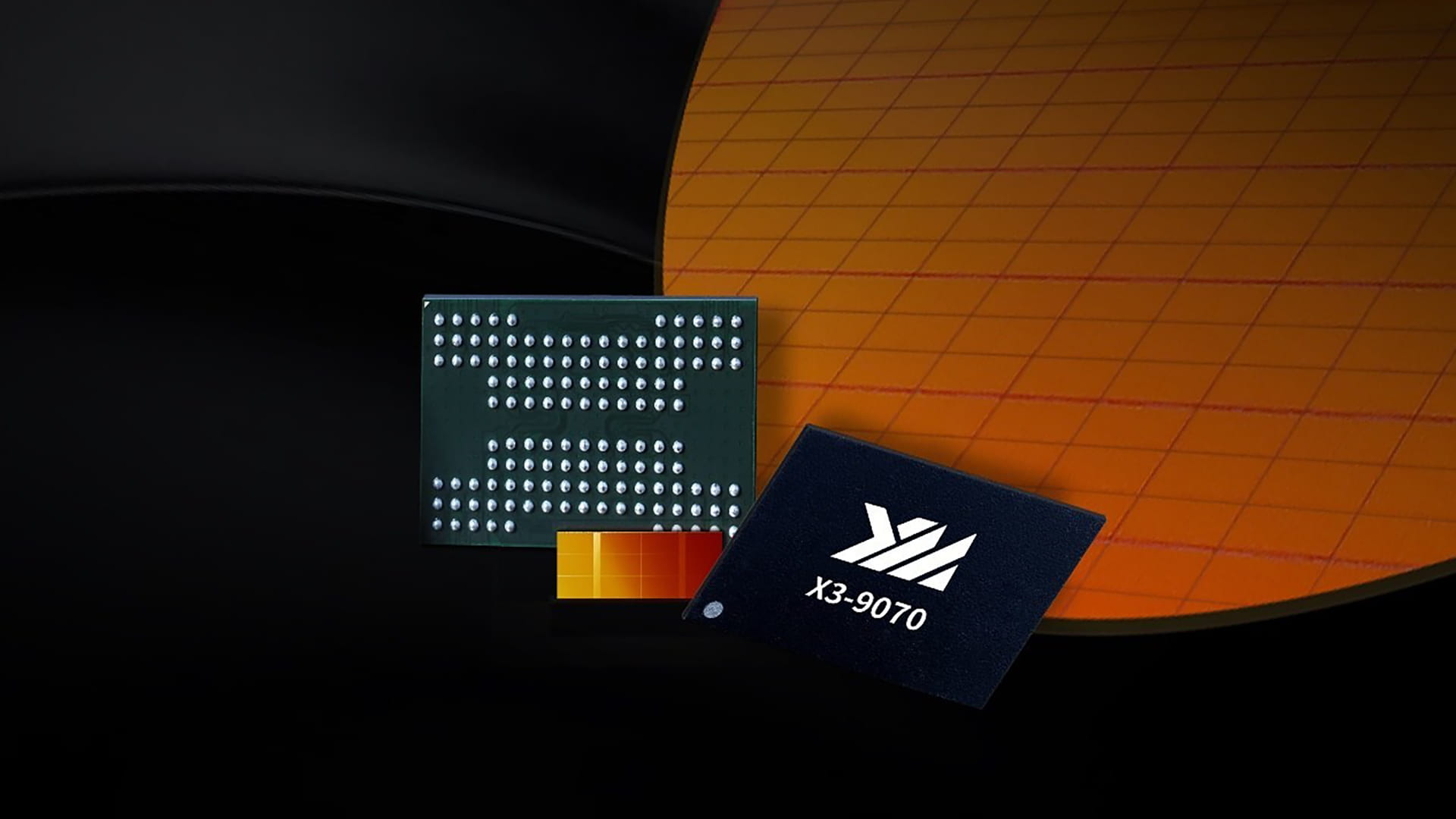
YMTC parent seeks USD 4.9 billion Shanghai IPO on AI memory boom
The T-Mobile incident highlights the critical role of secure chip supply chains, a focus for YMTC's parent company.

China’s rocket boom turns Hainan into a space hub. Can launches fuel wider growth?

Anthropic merges Claude chat and Cowork in one interface

Threads’ new features let podcasters promote shows and reach listeners

China’s Z.ai raises revenue target 25% after US$5 billion cash injection