Samsung Hits 80% Yield on HBM4, Shifts Focus to Volume
Samsung Electronics has increased its HBM4 chip yield to approximately 80%, up from below 60% in early mass production. This improvement allows for greater output of high-value HBM products. The company plans to raise its monthly HBM wafer input by nearly 40%, from 180,000 sheets this year to 250,000 next year. Samsung expects HBM4 to comprise over 60% of its total HBM revenue in the second half of this year.
Samsung's 80% HBM4 yield is a critical step; the coming volume is more significant. The company projects a 40% increase in monthly HBM wafer input next year. This expansion, from 180,000 to 250,000 sheets, directly addresses the AI accelerator market's demand for high-capacity, high-speed memory. Yield stability alone does not guarantee market share without sufficient supply.
Increased output shifts Samsung's product mix towards high-value HBM4, which costs more than double HBM3E. The memory business accounts for 97% of Samsung's operating profit. Increased HBM production also constrains commodity DRAM supply for servers and PCs, strengthening Samsung's pricing power in those markets. This benefits Samsung's overall profitability in a competitive Asian semiconductor landscape.
The thing to watch is the HBM4E ramp. Samsung began validating 12-layer HBM4E samples with customers in May. Its ability to quickly scale HBM4E production and maintain yields will determine its long-term market leadership. Samsung's forecast of 561.2 trillion won operating profit next year depends on this execution.
Related reading
6 stories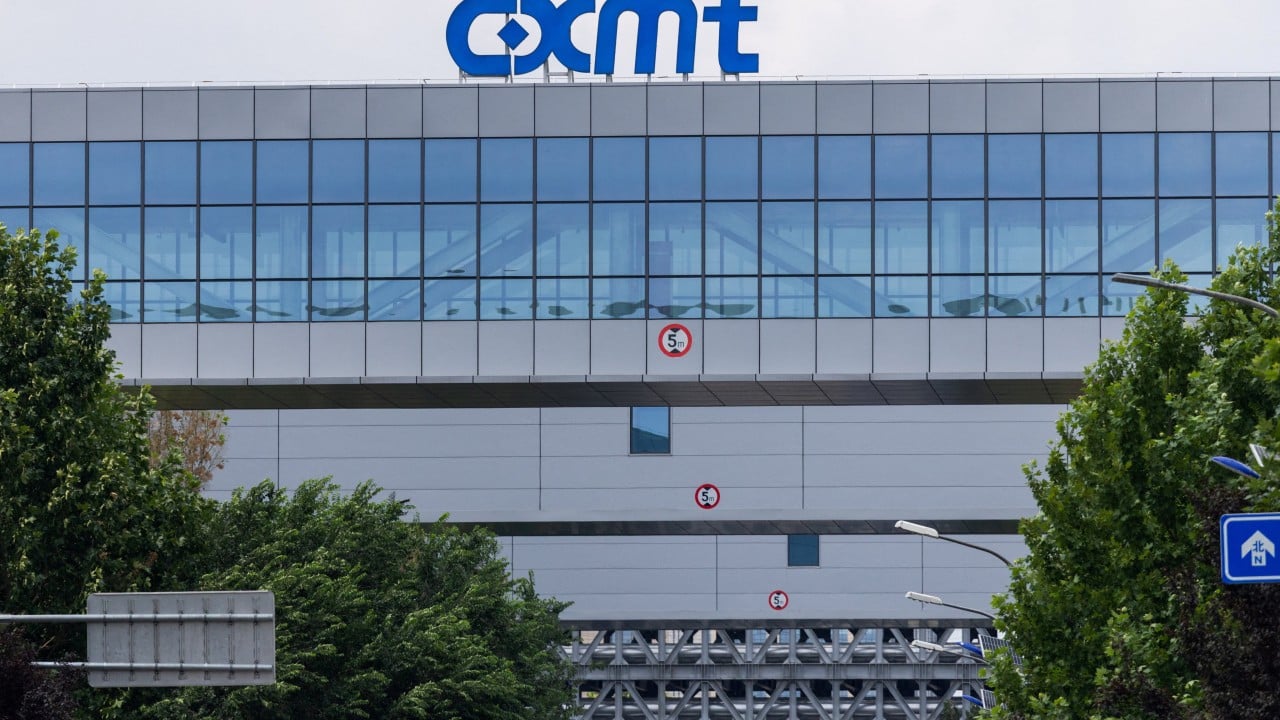
China’s CXMT touts new chip manufacturing platform as close to ‘world’s most advanced’
We recently covered China's CXMT touting its new chip manufacturing platform, a direct competitor in this space.

China's CXMT Starts Mass Production on 5th-Generation DRAM Process
Our prior reporting on CXMT's mass production of 5th-generation DRAM processes offers a comparative view.

Chinese regulator drafts rules to protect teenagers from ‘intimate’ AI companions
US, China agree AI dialogue ahead of Trump-Xi summit

Neither the US nor China can win the AI race alone, BofA analyst says