China's CXMT Starts Mass Production on 5th-Generation DRAM Process
China's CXMT has started mass production of its G5 DRAM process, unveiling two 24Gb LPDDR5X products. The company claims its process capability matches advanced industry nodes. This new platform increases potential dies per wafer by at least 50% compared to its fourth-generation platform. CXMT's move comes as commodity memory supply from China rises, easing some PC chip shortages.
CXMT's G5 DRAM process is a direct challenge to established players. Its 11.95-nanometer half-pitch for active areas reflects a significant advance. The 50% increase in potential dies per wafer for 8Gb products lowers cost per chip. This positions CXMT to gain further market share in commodity DRAM, where it already holds 9.5% of global revenue.
The move by CXMT will pressure Samsung, SK hynix, and Micron. These incumbents have shifted focus to high-bandwidth memory (HBM) and high-capacity server DDR5. Chinese suppliers are now filling the commodity market gap. This could force the global trio to defend prices more aggressively in segments they previously de-emphasized.
The thing to watch is how CXMT's stated process capability translates into actual yields. While the company claims parity with advanced nodes, specific yields and monthly output remain undisclosed. If CXMT achieves high yields at scale, it will reshape the commodity DRAM market more quickly than expected, potentially stopping price increases in the second half of next year.
Related reading
6 stories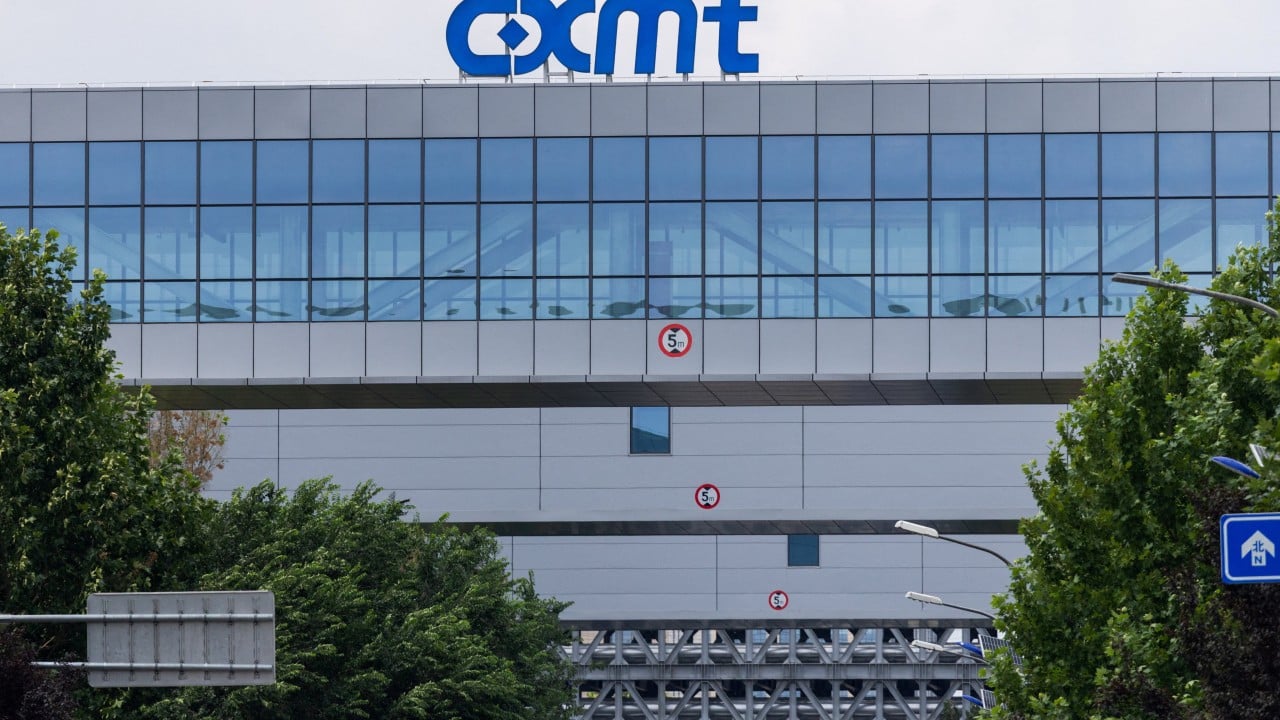
China’s CXMT touts new chip manufacturing platform as close to ‘world’s most advanced’
We previously reported on CXMT's claims of advanced chip manufacturing, now backed by this production launch.

Samsung Hits 80% Yield on HBM4, Shifts Focus to Volume
Samsung's HBM yield improvements show the competitive pressure CXMT's commodity DRAM push creates for incumbents.

Chinese regulator drafts rules to protect teenagers from ‘intimate’ AI companions
US, China agree AI dialogue ahead of Trump-Xi summit
Neither the US nor China can win the AI race alone, BofA analyst says