Nobel Laureates See AI Solving Humanity's Hardest Problems
Three Nobel laureates speaking in Seoul said AI will solve humanity's hardest problems. They expect AI to make prize-worthy discoveries and open unexplored fields. Craig Mello, a 2006 Nobel winner, stated that AI-led research could win a Nobel Prize. Brian Schmidt, a 2011 Nobel winner, noted AI is already scanning petabytes of sky images for asteroid risks. David MacMillan, a 2021 Nobel winner, highlighted AI as a new tool for scientists.
Nobel laureates predict AI will solve humanity's hardest problems. This is a bold claim. It shifts the AI narrative from current applications to grand scientific discovery. Craig Mello, a 2006 Nobel laureate, even suggests AI-led discoveries could win a Nobel Prize. This indicates a growing acceptance of AI as a research partner, not just a tool.
For South Korea, this endorsement is a boost. The laureates called Korea one of the countries that handles AI well. They cited its chemistry and molecular synthesis research. This validates Korea's significant investment in AI and science. It also suggests future Nobel recognition for Korean scientists using AI.
The real test for Korea will be concrete AI-driven scientific breakthroughs. Watch for specific research outcomes in chemistry or physics that explicitly credit AI. If these lead to patent filings or significant academic publications by 2030, it will validate the Nobel laureates' optimism.
Related reading
6 stories
Chinese regulator drafts rules to protect teenagers from ‘intimate’ AI companions
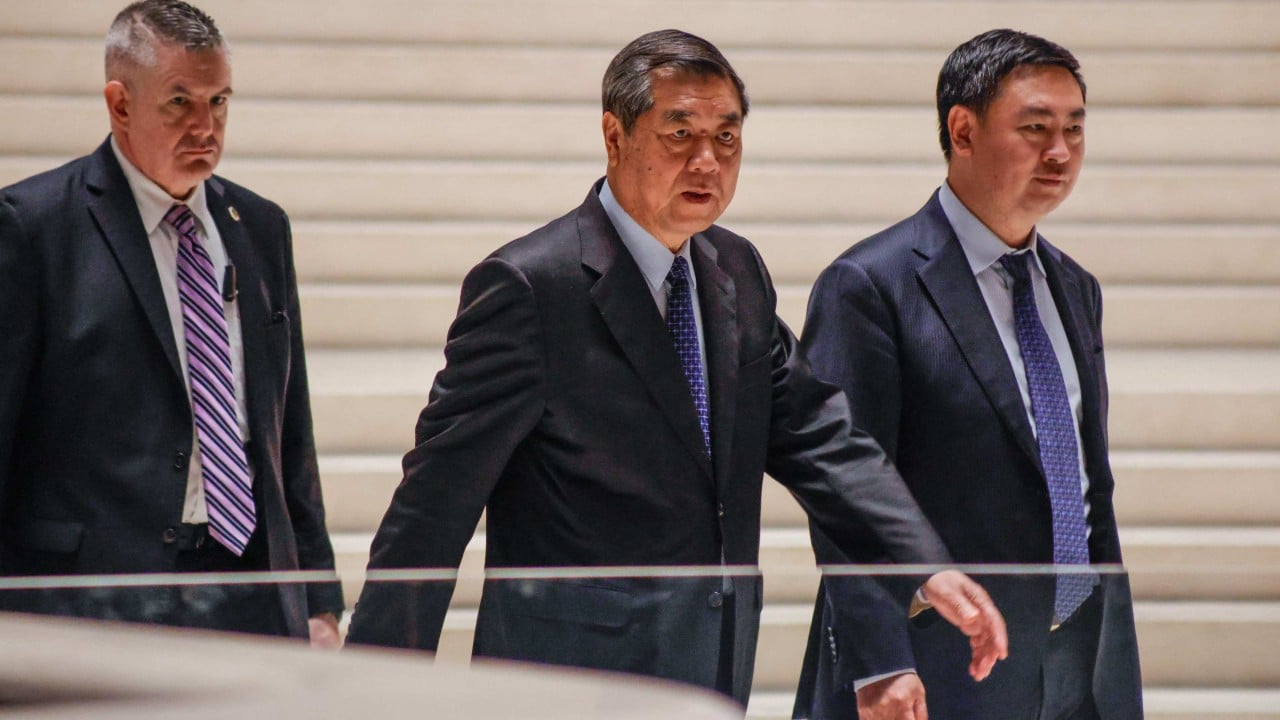
US, China agree AI dialogue ahead of Trump-Xi summit

Neither the US nor China can win the AI race alone, BofA analyst says
StashAway Becomes First Investment Platform to Join yuu Rewards Club

Trust Freedom Card Adds Miles Rewards With KrisFlyer and HeyMax