
[ROUNDTABLE] Korea urged to engage with both US, China on AI, but draw clear lines
Korea is being urged to engage with both the United States and China on artificial intelligence (AI), while simultaneously establishing clear boundaries. This advice comes as AI has emerged as a fiercely contested front in the intensifying rivalry between the two global powers, according to reporting from The Korea Times.
The counsel for Korea to maintain engagement with both the United States and China on AI, yet define clear lines, reflects the intricate balance required in a geopolitical landscape where AI is a fiercely contested domain. This dual approach suggests a strategy aimed at navigating the intensifying rivalry between the two major powers.
A singular focus on one nation could risk limiting access to innovation or incurring political costs from the other. Therefore, a balanced stance allows Korea to potentially derive benefits from both major powers' technological advancements and markets, without being fully subsumed into either nation's sphere of influence.
The recommendation to "draw clear lines" implies a need for strategic discernment. While the specific nature of these boundaries is not detailed, they could pertain to areas like data governance, technology transfer, or research collaboration. This approach would allow Korea to protect its national interests and foster its own AI capabilities while participating in a global ecosystem.
Share this article
Related reading
6 stories
Tencent unveils Hy4 as open-weight AI race with DeepSeek, Z.ai, Alibaba heats up
The intensifying AI race between major powers, including China, is a key backdrop to Korea's strategic balancing act.
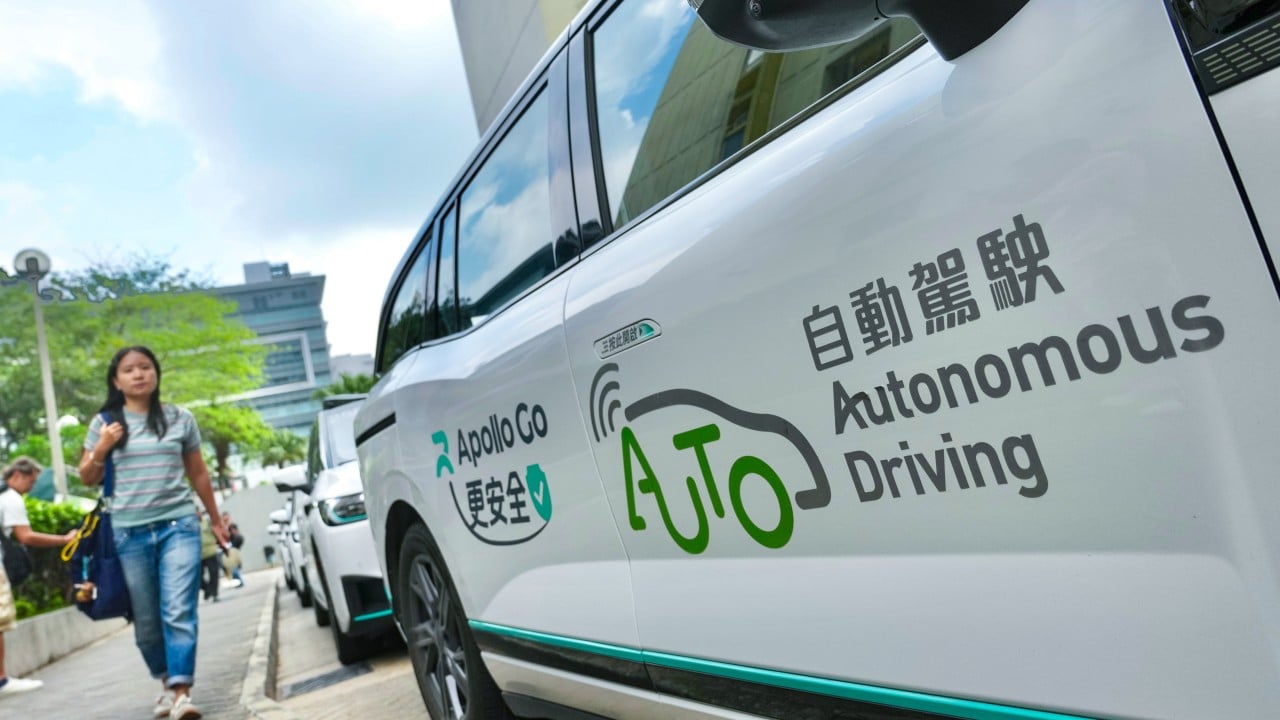
Baidu’s new AI simulator gives robotaxis a crash course in rare road hazards
Baidu's AI advancements highlight the technological progress from one of the major players Korea aims to engage with.

Pine Labs, Stripe to Unify Online and In-Store Payments in Singapore

Expensify Taps Visa Referrals to Reach Corporate Cardholders

India’s EloElo nabs $80M from NBCUniversal to bet on the country’s rising microdrama market
