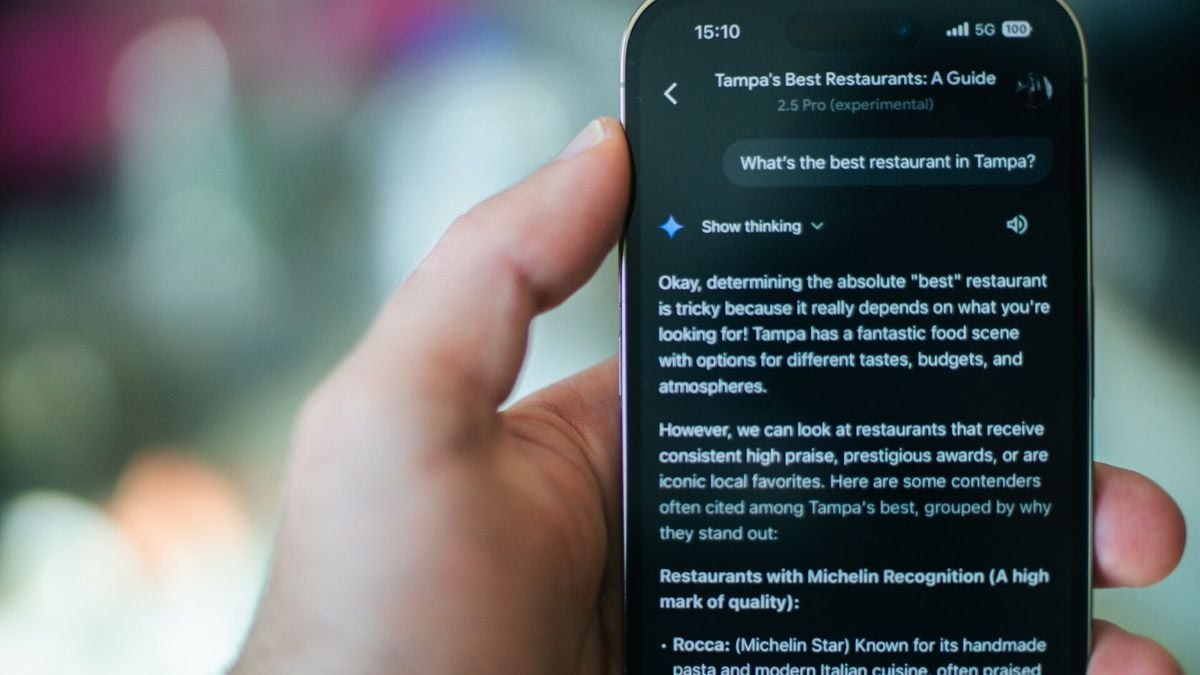
Malicious browser extensions can hijack AI assistants
Security researcher Gal Weizman of Forever Security demonstrated how malicious browser extensions can hijack AI assistants. His BragJack research targeted Gemini Live, Perplexity Comet, Microsoft Edge Actions, Opera Neon, and Anthropic's Claude. The attacks required a malicious extension to be installed, but then needed zero additional clicks from the victim. Google paid a $7,000 bounty for a Gemini vulnerability, CVE-2026-0628, which Google has since fixed.
The BragJack research shows that even a single malicious browser extension can compromise AI assistants like Gemini and Perplexity Comet. This is not about AI models themselves being inherently insecure. The vulnerability lies in how AI tools interact with browser privileges. The core issue is the privileged component within the browser that executes AI requests, allowing an extension to manipulate network requests and gain unauthorized access.
Asia's major tech players, including Tencent, Alibaba, and Baidu, are integrating AI into their browsers and services. This research points to a critical security challenge for them. Baidu's Ernie Bot, for example, is deeply embedded in its ecosystem. These companies must secure the interface between their AI models and browser-level actions. Failure to do so risks significant user data exposure and reputational damage.
The key thing to watch is how quickly Asian browser and AI developers harden these integration points. Google has already patched the Gemini vulnerability, CVE-2026-0628. This sets a precedent for rapid response. The test for Asian firms is whether they can match this speed, especially given the rapid pace of AI adoption in the region. Slow responses will leave users exposed.
Share this article
Related reading
6 stories
Nvidia says its new OpenShell platform can stop AI agents from going rogue
Nvidia's OpenShell platform aims to prevent AI agents from going rogue, a similar security concern to browser extension vulnerabilities.
How Can Banks Launch New Products Without Replacing Their Core?

Wise Rolls Out Overseas QR Payments, Customisable eSIM Plans

NYC Council Speaker Julie Menin warns of AI's 'existential' risks

What Are OpenAI Dots And Do You Need Them?