Korea Bets 8.4 Trillion Won on Sodium, Solid-State Batteries
South Korea will invest 8.4 trillion won ($6.0 billion) to diversify its battery strategy. The government will contribute 400 billion won in R&D from 2027 to 2031, with the private sector adding 8 trillion won by 2030. This initiative targets low-cost sodium-ion and high-performance solid-state batteries. The aim is to reduce reliance on high-nickel NCM cells and counter China's dominance in cheap battery production. Key players like LG Energy Solution and Samsung SDI are involved.
Korea's 8.4 trillion won investment in sodium-ion and solid-state batteries is a direct response to China's pricing power. Chinese firms now hold 61% of Europe's EV battery market, up from 42% in 2023. Korean makers saw their share drop to 35% from 55% in the same period. This shift is not about new technology; it is about market share. Korea must compete on cost in entry-level EVs and energy storage, where LFP batteries are 40% cheaper than NCM packs.
The strategy to diversify beyond NCM cells is necessary. Korea's secondary battery exports fell 27.6% in three years, to $7.23 billion last year from $9.98 billion in 2022. This shows a clear loss of competitiveness in core markets. Targeting 220 Wh/kg for sodium-ion by 2030 and 400 Wh/kg for solid-state by 2028 addresses both ends of the market. This dual approach could help Korean firms regain ground in specific segments.
The real test for Korea will be commercializing solid-state batteries by 2030. This technology targets high-performance EVs, robots, and urban air mobility. If successful, it offers a premium segment where China has less established dominance. Joint development among companies like LG Energy Solution and Samsung SDI is crucial to avoid duplicate investment and accelerate market entry.
Related reading
6 stories
Meta Removes 3.64 Million Facebook, Instagram Pages in Scam Crackdown

RISC-V chipmaker Eswin clears Hong Kong listing hearing
Tencent uses its products to guide Hy Image 3.5 development

Klook and Visa Team Up on Travel Offers Across Southeast Asia
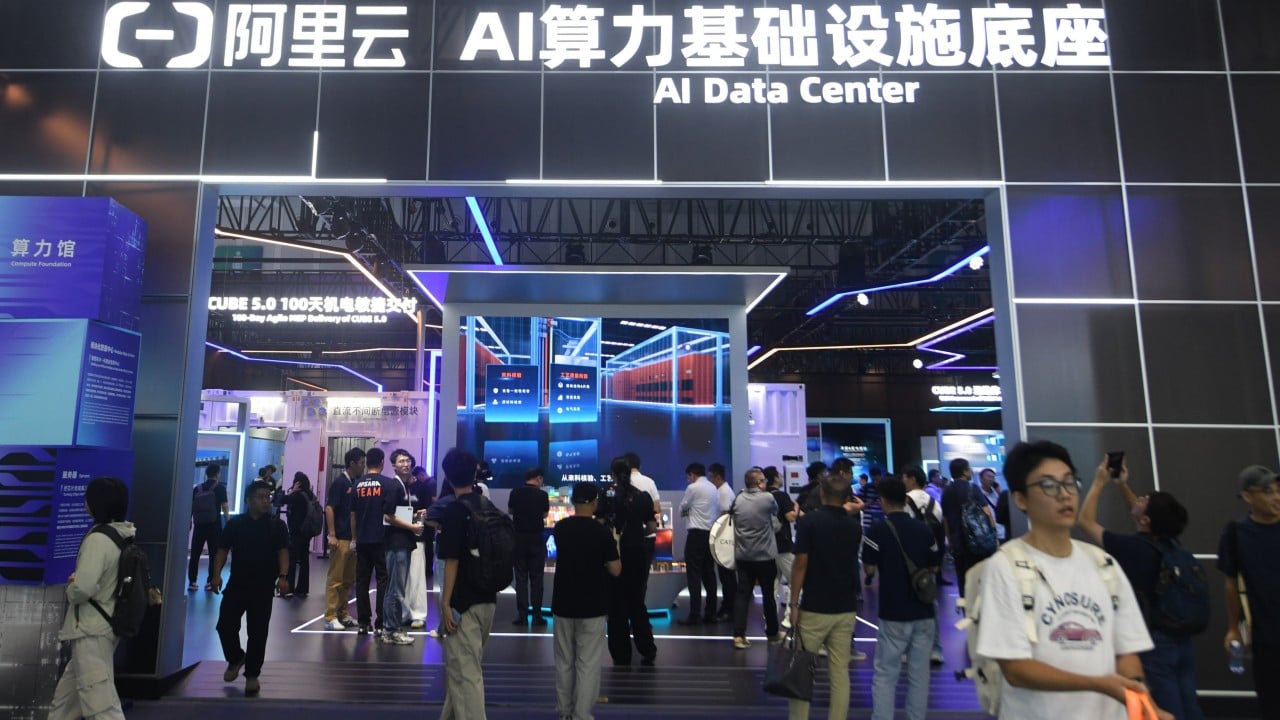
Alibaba Cloud set to open new data centres in Europe next year as overseas push speeds up