
Tencent uses its products to guide Hy Image 3.5 development
Tencent has released Hy Image3.5, its latest image generation model. The model is integrated into Tencent’s consumer AI, content creation, advertising, workplace, and cloud products. Teams behind these products are co-designing the model, using their platforms as testing grounds. This approach has led to a 50% increase in image generation requests within Yuanbao and a tripling of image generation feature usage in ima. Tencent is emphasizing cost, pricing Hy Image3.5 at USD 0.024 per 2K output image through Tencent Cloud.
Tencent's Hy Image3.5 launch is not about new features alone. It shows a fundamental shift in model development. Tencent is integrating its product teams directly into the R&D cycle. This co-design model, where products serve as testing grounds, is a pragmatic response to real-world usage. It aims to address critical issues like text rendering and image consistency, which are vital for commercial applications.
This strategy offers Tencent a distinct advantage in the competitive Asian AI market. Its broad product portfolio, including Yuanbao and WorkRally, provides extensive internal feedback loops. This allows for rapid iteration and refinement. It also ensures the model is optimized for specific commercial tasks, from e-commerce assets to advertising. This approach helps Tencent compete with ByteDance's Seedream 5.0 Pro and other regional rivals by focusing on practical utility and cost efficiency.
The thing to watch is whether this co-design model can sustain its reported performance gains. Tencent claims a 30% improvement over Hy Image3.0 in internal evaluations. Continued adoption and positive feedback from product teams will validate this approach. The cost of USD 0.024 per 2K output image is aggressive. It reflects a push for widespread commercial adoption. This pricing will challenge competitors to match or beat it, especially for high-volume use cases.
Related reading
6 stories
Qualcomm launches two new smartphone chips with emphasis on AI
Qualcomm's new smartphone chips also emphasize AI, showing the industry-wide push for integrated AI capabilities.

RISC-V chipmaker Eswin clears Hong Kong listing hearing
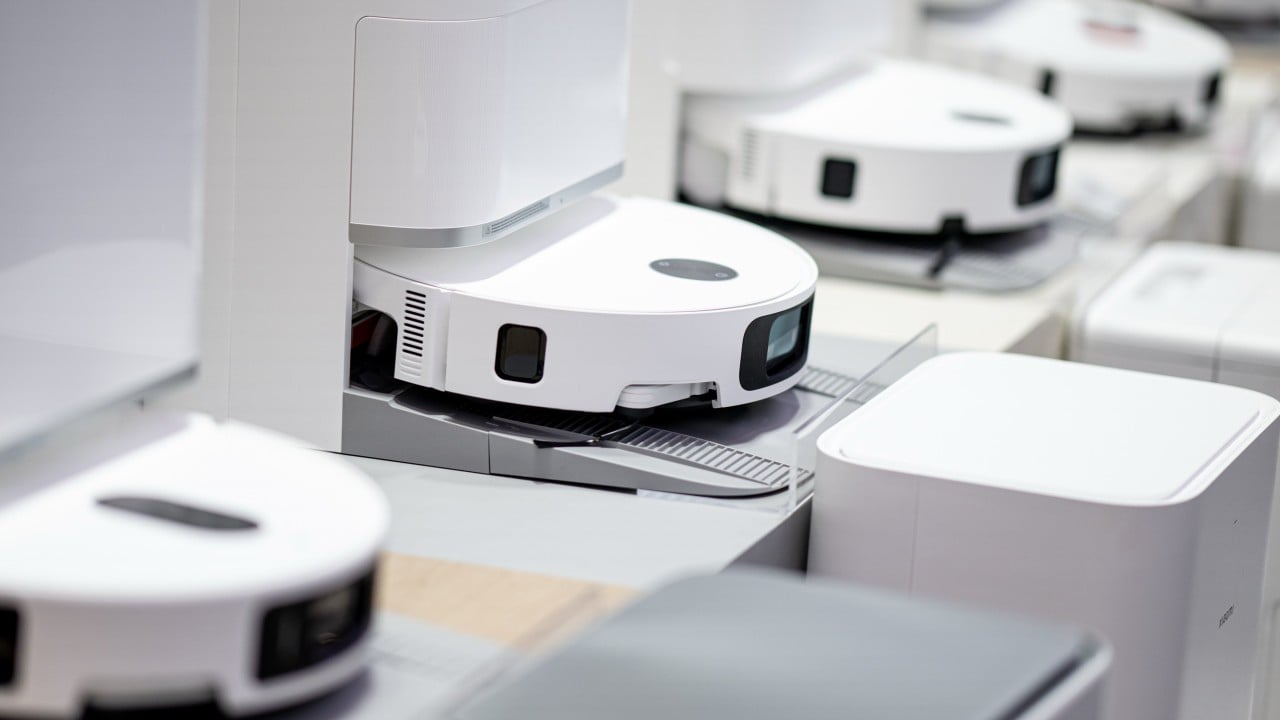
Chinese maker of robot-vacuum sensors launches Hong Kong IPO, undeterred by US ban
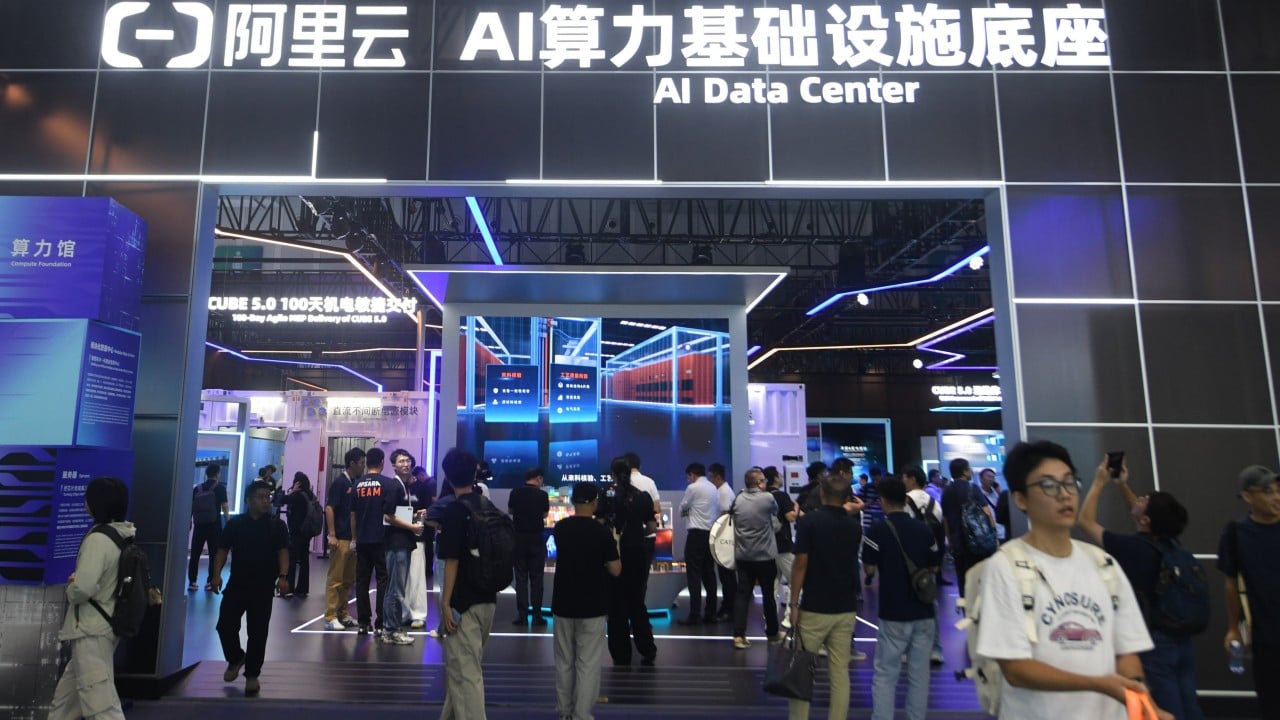
Alibaba Cloud set to open new data centres in Europe next year as overseas push speeds up
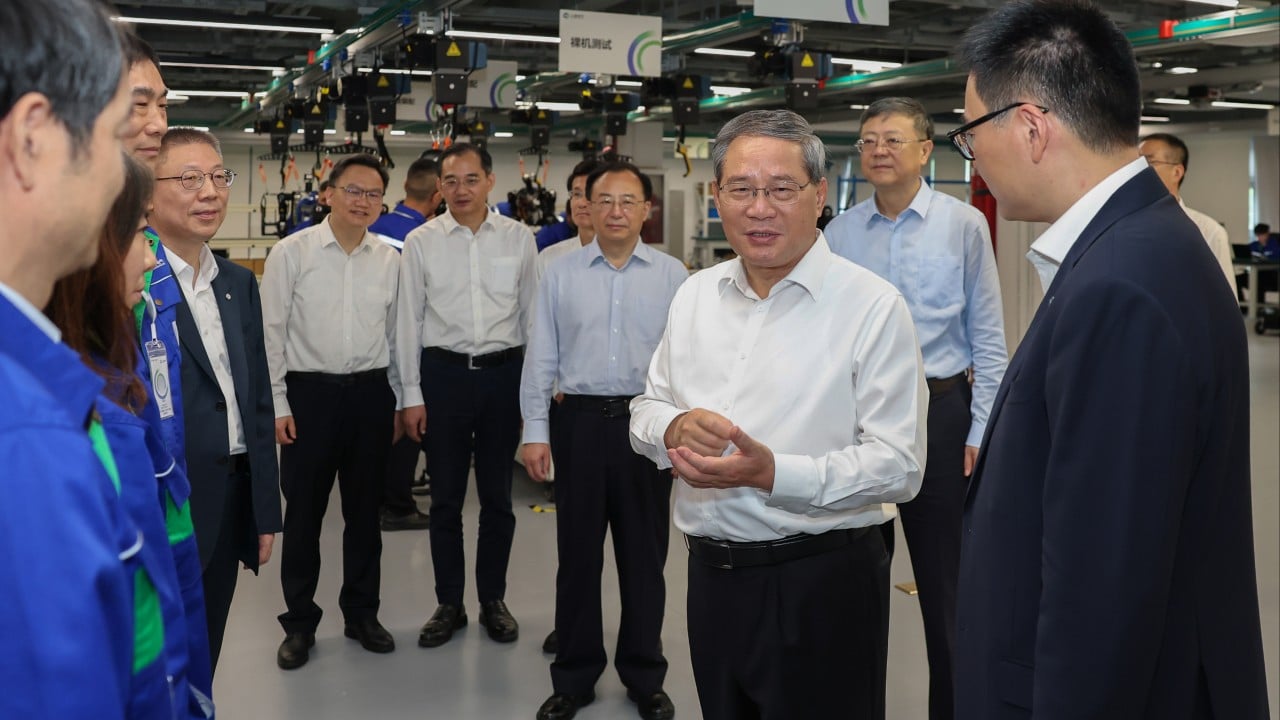
China’s Premier Li Qiang calls for harnessing AI to propel manufacturing advances
