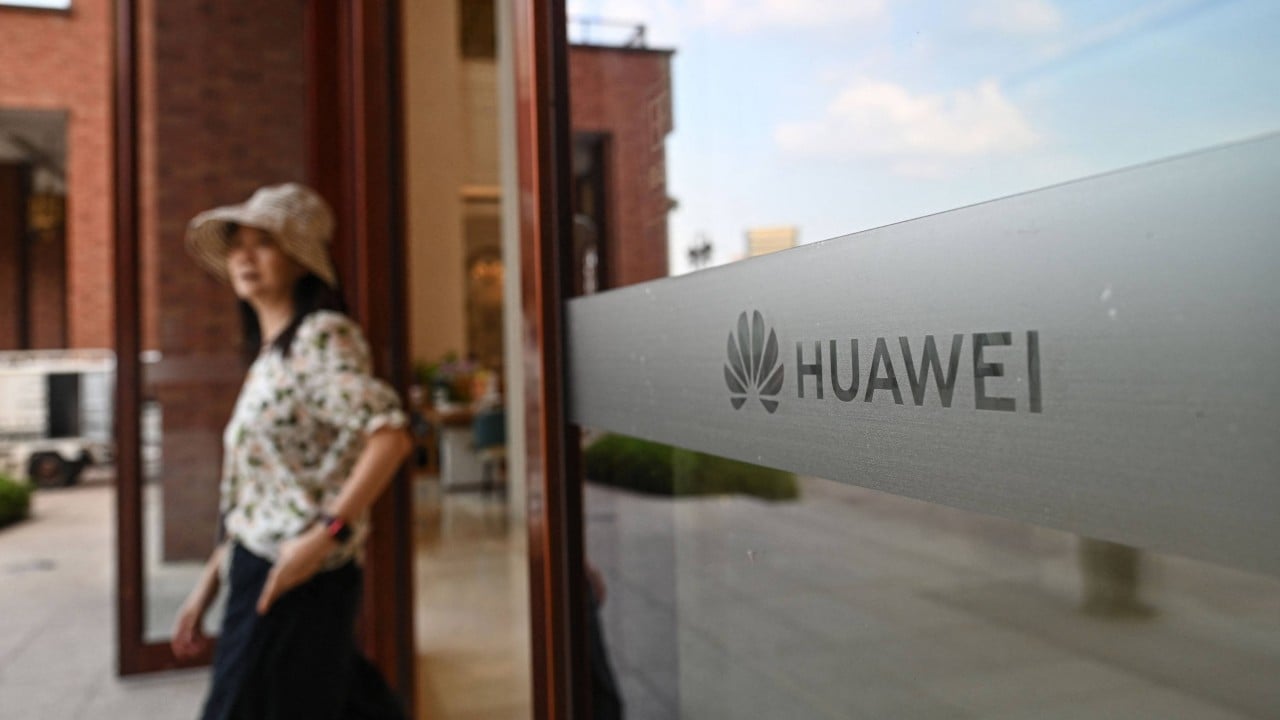
How Huawei plans to bypass US chip curbs with its new UnifiedBus technology
Huawei has unveiled its Peerium Computing Architecture, designed to make up to 1 million processors function as a single unit. This new architecture centers on UnifiedBus, a high-speed interconnect technology. The company is deploying an Atlas 950 SuperCluster with 256,000 computing cards. This initiative aims to enhance system-level computing power amid US restrictions on advanced semiconductor access.
Huawei's UnifiedBus technology, known as Lingqu in China, is a direct response to US chip curbs. The company aims to overcome hardware limitations by massively scaling system-level computing. Its Peerium Computing Architecture combines nested parallelism, unified memory addressing, and peer-to-peer interconnect. This approach seeks to maximize performance from available, less advanced semiconductors.
This strategy offers a blueprint for other Chinese tech firms facing similar restrictions. The deployment of an Atlas 950 SuperCluster with 256,000 computing cards demonstrates tangible progress. Success here could reduce reliance on imported high-end chips across Asia. It also validates an alternative path for data center infrastructure development in the region.
The real test for Huawei is the performance of its next-generation Atlas 960 system, which uses near-packaged optics. This system is currently under testing. Its efficiency will determine if system-level innovation can truly offset advanced chip manufacturing constraints. Watch for independent benchmarks of the Atlas 960's capabilities.
Related reading
6 stories
China has gained pace in the space race by recovering rockets – but can it relaunch one?
Once reliant on Samsung and SK Hynix, Chinese smartphone makers are turning to CXMT

Multimodal AI breakthrough could come within two years, SenseTime scientist says

DBS Expands Gold Storage Ahead of Singapore Clearing System

Partior and LSEG Target 24/7 Cross-Border Payment Settlement