Hong Kong commercial landlords may bet on investment to curb tenant loss from AI: analysts
Hong Kong’s commercial real estate market faces significant disruption as the widespread adoption of artificial intelligence (AI) by businesses drives a demand for modern office spaces. Analysts from Knight Frank predict that older office buildings, and their landlords, will struggle to retain tenants who are increasingly seeking facilities better equipped to support AI-driven operations. This shift could compel property owners to invest heavily in upgrades and new developments to remain competitive. The trend highlights a growing bifurcation in the commercial property sector, where technological advancements are directly influencing real estate value and tenant retention strategies, posing a challenge for traditional landlords.
The integration of AI is rapidly reshaping commercial real estate dynamics across Asia, with Hong Kong serving as a prime example. As companies embrace AI, their operational requirements evolve, necessitating advanced infrastructure, greater connectivity, and flexible, technologically-equipped workspaces. This creates a significant competitive advantage for newer, purpose-built properties over older assets that lack the necessary digital backbone and amenities. Landlords who fail to adapt risk substantial tenant loss and devaluation of their portfolios, pushing them towards strategic investments in smart building technologies and modern designs.
This trend underscores a broader market shift where technology adoption directly impacts physical infrastructure. For Asia’s tech ecosystem, this means a growing demand for specialized real estate solutions that can accommodate AI development labs, data centers, and tech-centric offices. It also presents opportunities for proptech startups offering solutions for building automation, energy efficiency, and smart workspace management. The challenge for traditional real estate players is to recognize and respond to these evolving needs, transforming their assets into AI-ready environments to attract and retain the region’s burgeoning tech talent and companies.
Related reading
6 stories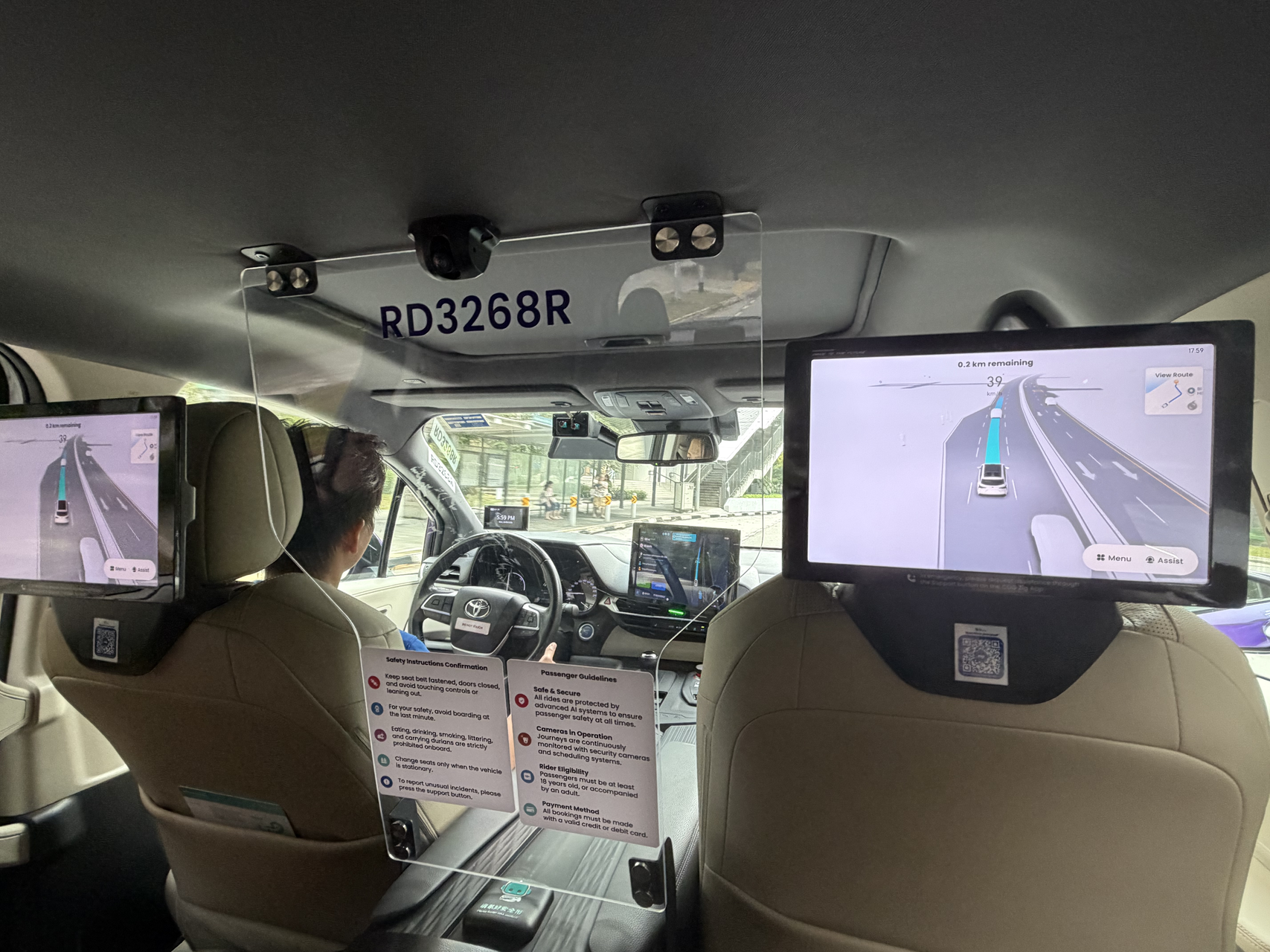
If driverless cars already work, why aren’t they everywhere?

Sumsub Launches Workforce Verification as Deepfake Risks Grow
ByteDance’s AI-enhanced short-drama app eclipses China’s Netflix rivals combined

Timo Joins Top 10 Banks in Vietnam by Customer Satisfaction

Payment Agility and Modernisation for the Age of Intelligence