
Sumsub Launches Workforce Verification as Deepfake Risks Grow
Sumsub has launched a workforce verification solution to counter deepfake and credential theft risks. The system integrates identity document checks, biometric liveness detection, and background screening into existing HR and identity management platforms. It can verify workers from onboarding through account recovery. This follows a 2025 Singapore incident where fraudsters used deepfakes to steal S$670,000 from a company.
Sumsub's new solution targets a critical vulnerability: compromised employee accounts. Chief Product Officer Andrew Novoselsky correctly notes that valid credentials only prove possession, not identity. The system's ability to trigger deepfake-resistant checks at high-risk moments, like password resets or suspicious logins, addresses a gap in traditional identity and access management. This is a pragmatic approach, focusing on specific moments of vulnerability rather than a wholesale infrastructure replacement.
For Asia, where digital transformation accelerated rapidly during the pandemic, the risk of deepfake fraud is acute. The 2025 Singapore incident, involving a S$670,000 loss from a deepfake Zoom call, demonstrates this regional exposure. Companies in markets like Singapore and Hong Kong, with high digital penetration and significant financial flows, face immediate threats. Sumsub's claimed 99.98% deepfake detection rate, if proven in real-world enterprise settings, offers a strong defense for these markets.
The real test for Sumsub will be seamless integration into diverse Asian enterprise environments. Many regional companies use a mix of legacy and modern HR and IAM systems. The solution's ability to plug into existing platforms without disruption will determine its adoption. Watch whether major regional banks or tech firms publicly adopt this solution in the next 12 months; that would validate its enterprise readiness.
Related reading
6 stories
Why the real AI apocalypse is already here – Stateside with Kai and Carter
Our Stateside column recently explored the broader implications of AI's rapid advancement and its societal impact.
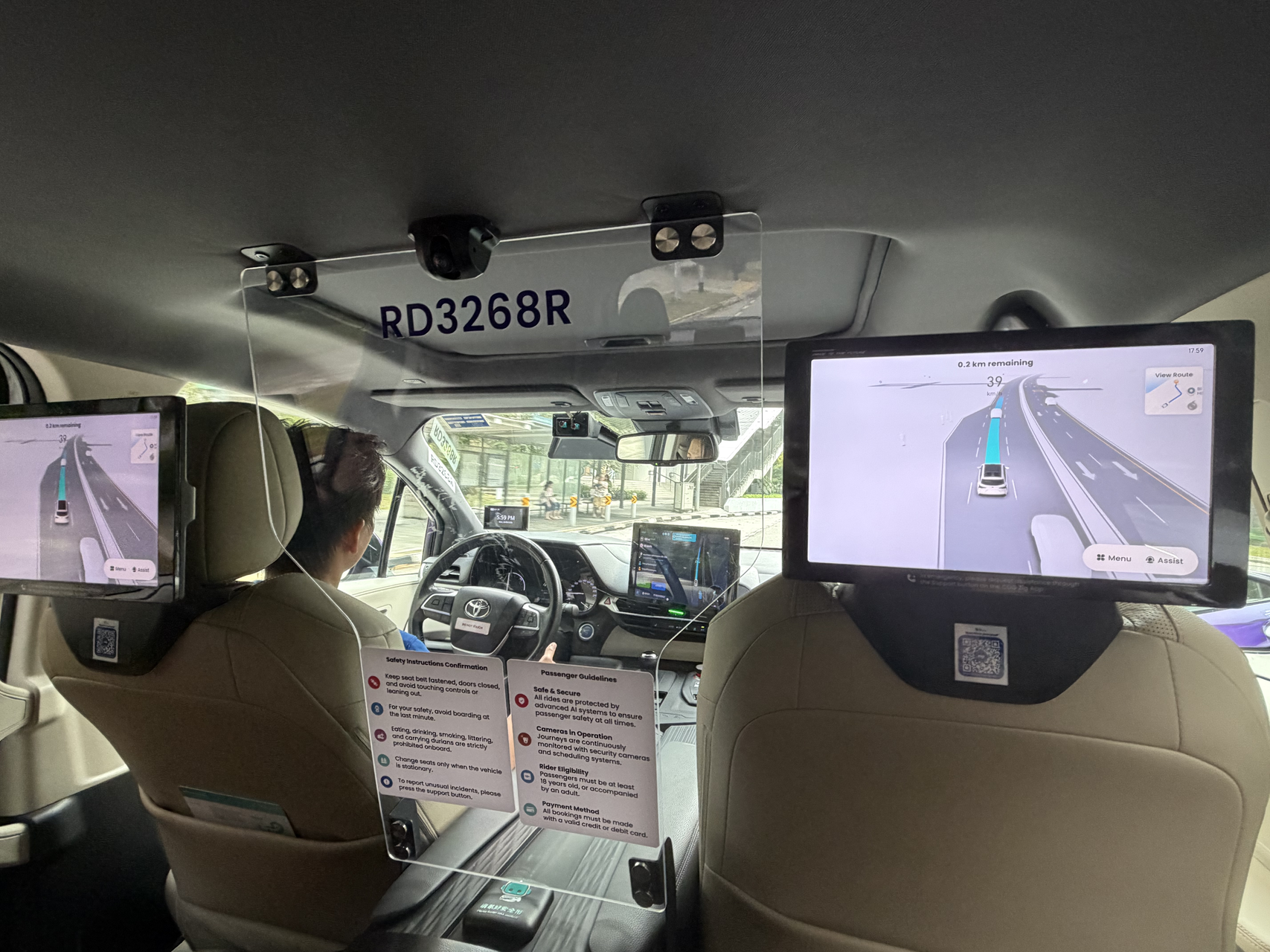
If driverless cars already work, why aren’t they everywhere?

Databricks to Invest Over US$350 Million in Singapore, Double Its Workforce
ByteDance’s AI-enhanced short-drama app eclipses China’s Netflix rivals combined

Personetics Launches AI Banking Console for Relationship Managers
