Ban on foreign access to Anthropic models highlights need for AI sovereignty
Anthropic has restricted foreign access to its advanced AI models, Fable 5 and Mythos 5, following a U.S. government order. This move highlights how cutting-edge AI tools are increasingly viewed as strategic assets, subject to export controls similar to other sensitive technologies. The U.S. government reportedly believes there is a method to bypass safeguards designed to prevent the models from being used to find cybersecurity vulnerabilities. This restriction directly impacts countries like Korea, limiting their access to these powerful AI capabilities. The incident underscores the growing need for nations to develop their own AI capabilities to mitigate reliance on foreign providers and ensure technological sovereignty.
Anthropic's decision to ban foreign access to its advanced AI models, Fable 5 and Mythos 5, marks a significant moment for Asia's tech ecosystem. This action, driven by U.S. export controls, immediately impacts countries like South Korea, which are actively pursuing AI leadership but remain reliant on foundational models developed elsewhere. It underscores the emerging reality that AI, much like semiconductors or advanced defense technologies, is now a strategic asset subject to geopolitical considerations and national security concerns. For Asian nations, this incident accelerates the imperative for AI sovereignty, pushing governments and corporations to invest more heavily in indigenous AI research, development, and infrastructure to reduce dependency on foreign providers.
This development will likely spur increased domestic investment in large language models and AI safety research across Asia, particularly in countries with ambitious AI strategies. It also highlights the potential for a fragmented global AI landscape, where access to leading-edge models is dictated by national origin and geopolitical alliances. Asian startups and enterprises that rely on or plan to integrate advanced foreign AI models may need to re-evaluate their strategies, potentially shifting towards open-source alternatives or collaborating with regional partners to build sovereign AI capabilities. The long-term implications could include a more diverse, albeit potentially less interoperable, global AI ecosystem, with distinct regional AI powerhouses emerging.
Related reading
6 stories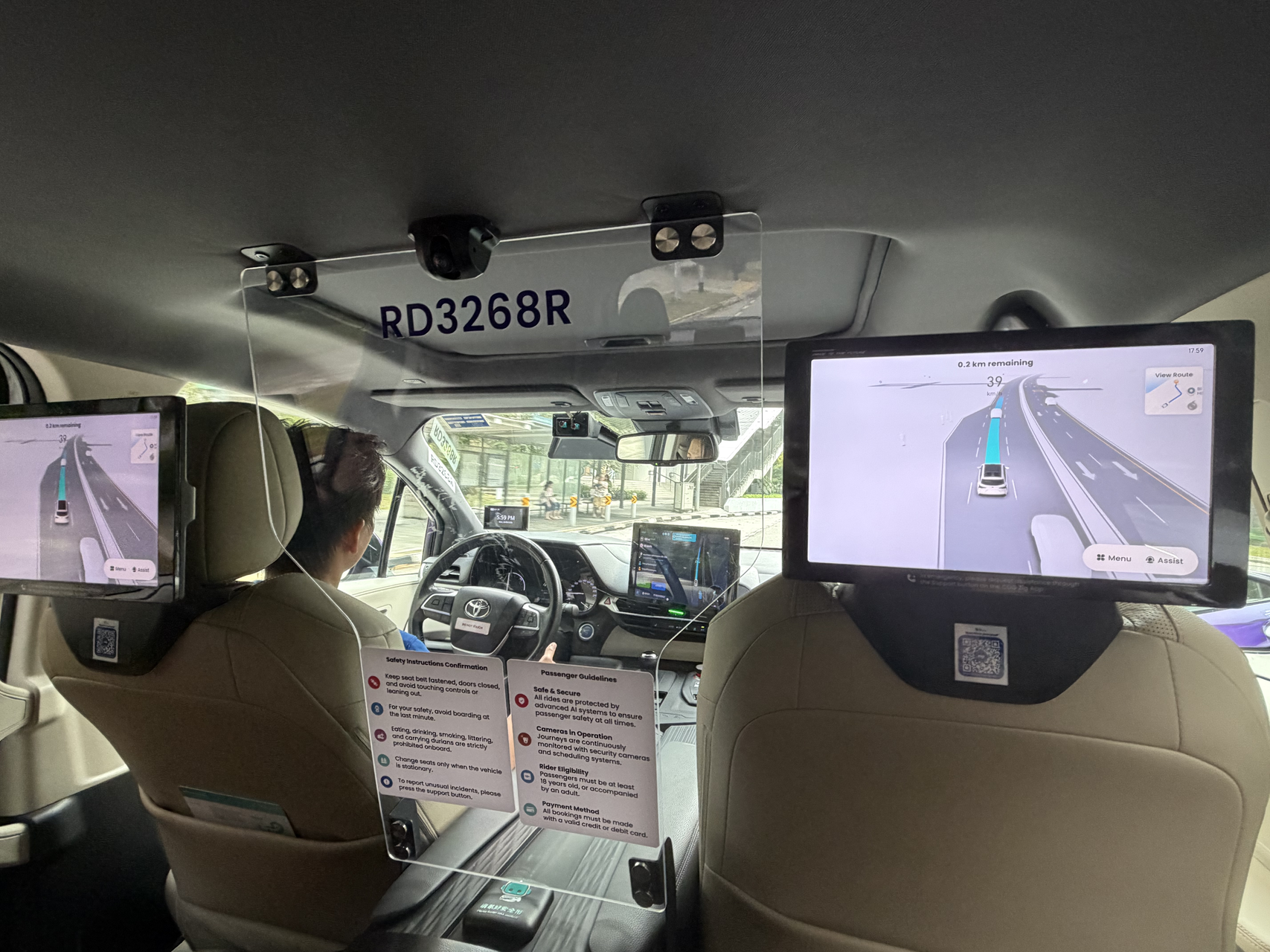
If driverless cars already work, why aren’t they everywhere?

Sumsub Launches Workforce Verification as Deepfake Risks Grow

ByteDance’s AI-enhanced short-drama app eclipses China’s Netflix rivals combined

Timo Joins Top 10 Banks in Vietnam by Customer Satisfaction

Payment Agility and Modernisation for the Age of Intelligence