Global Times: Steering constructive China-US relationship of strategic stability forward on steady, sustained course
Chinese President Xi Jinping is visiting the US from September 23 to 25, 2026, at the invitation of President Donald Trump. This marks their second reciprocal state visit within six months. The leaders aim to build a "constructive China-US relationship of strategic stability." This framework emphasizes cooperation, managed competition, and dialogue to prevent conflicts. Both nations seek to ensure lasting peace and stability in their bilateral ties.
The Global Times frames the Xi-Trump summit as a re-establishment of "strategic stability" between China and the US. This follows a May 2026 meeting in Beijing. The "four stabilities" framework aims to guide relations over the next three years. It prioritizes cooperation, limits competition, manages differences, and upholds peace. This rhetoric downplays ongoing tech and trade tensions, despite the article mentioning AI as an area of communication.
For Asia's tech sector, this reflects a continued, if managed, engagement between the two superpowers. The emphasis on "cooperation as the mainstay" in areas like AI could open limited avenues for joint research or standards development. However, the underlying competition in semiconductors and advanced computing remains. Asian chipmakers, for example, will still face pressure from both sides on export controls and supply chain diversification. The stated goal of "healthy stability with competition within proper limits" does not remove these structural challenges for companies like TSMC or Samsung.
The key thing to watch is the specific outcomes from the AI dialogue mentioned. If concrete agreements on AI safety or ethical guidelines emerge, it could set precedents for regional standards. Without specific commitments, the "constructive relationship" remains largely rhetorical. The test is whether these talks translate into tangible policy shifts by early 2027, beyond just maintaining communication.
Related reading
6 stories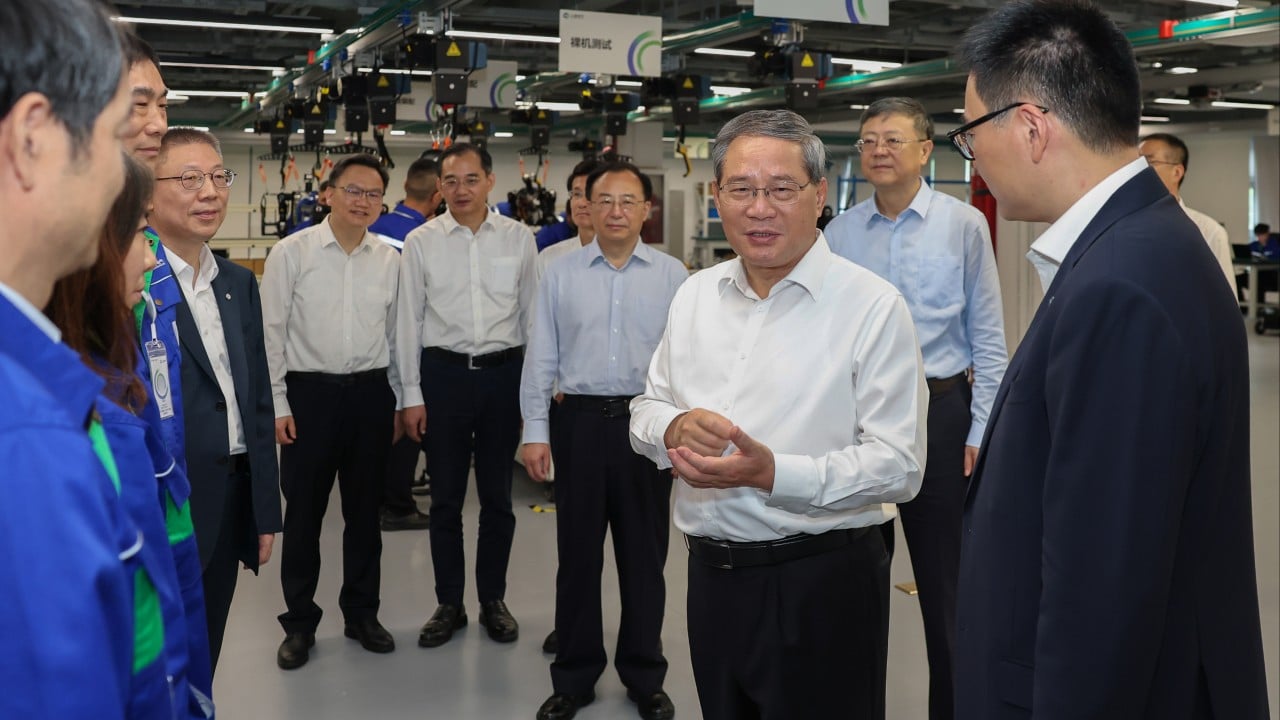
China’s Premier Li Qiang calls for harnessing AI to propel manufacturing advances
China's Premier Li Qiang recently called for harnessing AI to propel manufacturing advances, reflecting the nation's strategic focus.
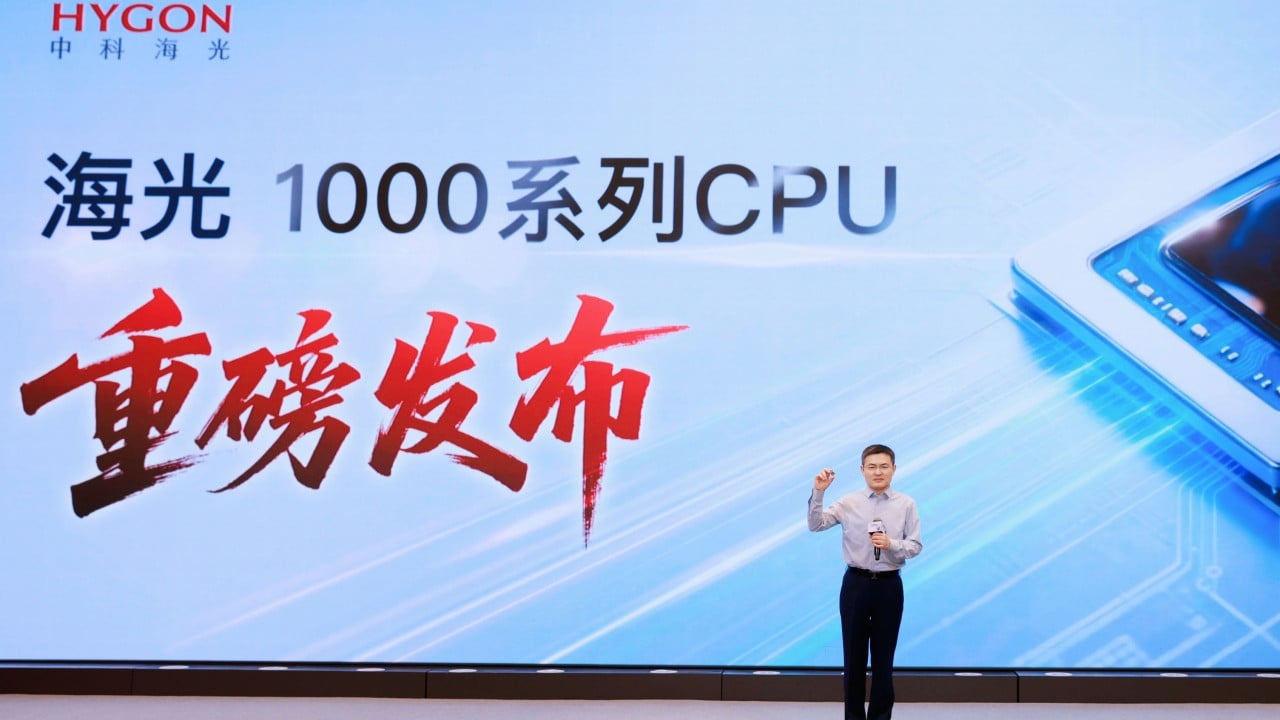
China’s Hygon moves beyond data centres with embedded processors for robotics, edge AI
Hygon's move into embedded processors for robotics and edge AI shows China's expanding AI capabilities beyond data centers.

RISC-V chipmaker Eswin clears Hong Kong listing hearing
Tencent uses its products to guide Hy Image 3.5 development
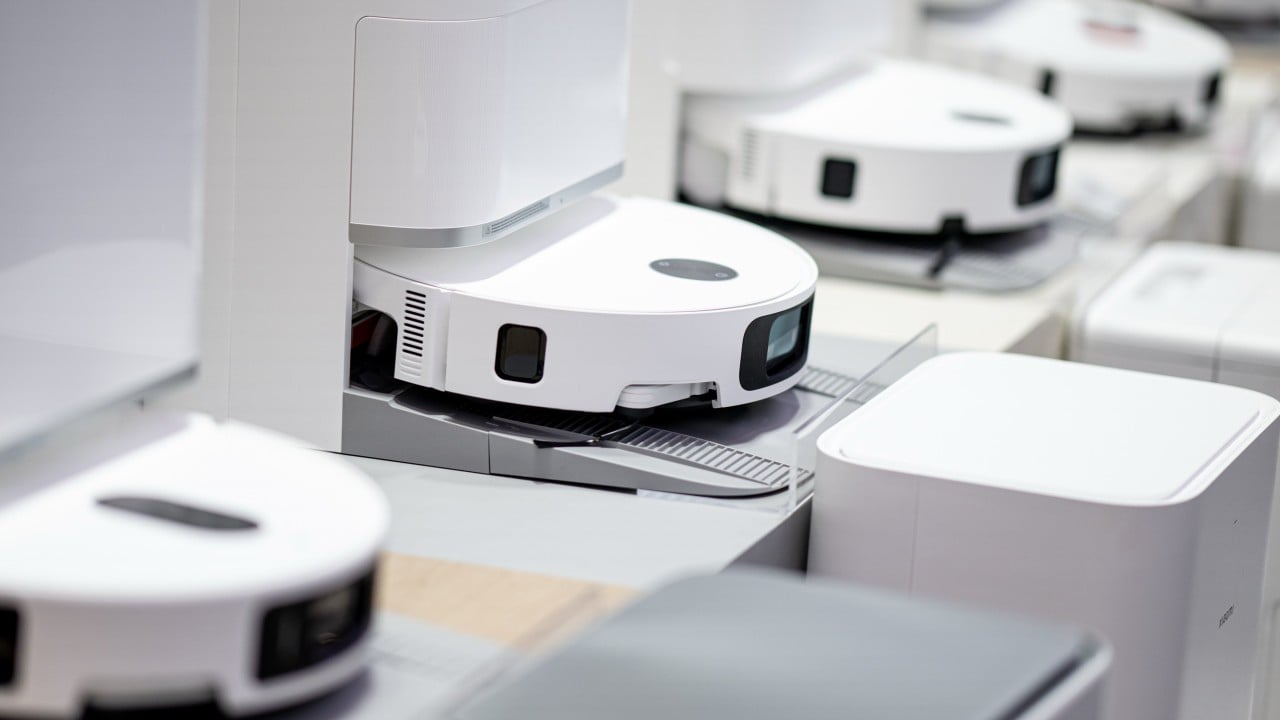
Chinese maker of robot-vacuum sensors launches Hong Kong IPO, undeterred by US ban