Pakistani women turn to digital platforms for financial freedom, but challenges remain
Pakistani women are increasingly using digital platforms like Foodpanda and Facebook to generate income, with mobile internet adoption among adult women rising from 19 percent in 2020 to 53 percent by 2025. This trend helps overcome traditional employment barriers. However, experts like Halima Iqbal of Oraan caution that earning income does not always translate to financial control or sustainable businesses, citing ongoing challenges.
Pakistani women are finding new avenues for income through digital platforms, ranging from home-cooked meals to handcrafted jewelry. Ayesha Kamil, 42, who holds a PhD in environmental science, transitioned from her role as a science coordinator in Lahore to operate a home-cooked meal business via Foodpanda. Within approximately 18 months, her venture expanded to three kitchens, employing 25 women, and recorded sales of 250,000 Pakistani rupees (US$902) from 300 orders on a single day.
Kamil's business model, which exclusively employs women, addresses a significant cultural barrier by creating work opportunities for those whose families might be hesitant to allow them to work alongside men. This approach has enabled women, including a young widow, to gain employment. The broader trend of women tapping into digital platforms for income aligns with a notable increase in mobile internet adoption among adult women in Pakistan, which grew from 19 percent in 2020 to an estimated 53 percent, or about 40 million women, by 2025, according to mobile industry body GSMA.
This shift is particularly relevant in a country where women face considerable employment barriers. Government data indicates female labor-force participation rose from 21.4 percent in 2020-21 to 24.4 percent in 2024-25, though it remains significantly lower than the nearly 70 percent recorded for men. Foodpanda Pakistan CEO Mutaqa Peracha noted in August that about 70 percent of the 4,000 to 5,000 participants in its HomeChef program are women, with roughly half being first-time entrepreneurs.
Beyond food, women like Saima Rauf, a 48-year-old former schoolteacher and single mother in Islamabad, utilize platforms such as Facebook for her jewelry and artwork business. Rauf also uses the mobile wallet JazzCash to manage payments and connect with customers, often through events offering free stalls to women entrepreneurs. This reflects how greater connectivity and access to digital financial services are opening up economic opportunities for women, particularly as their children become more independent.
However, Halima Iqbal, co-founder of the women-focused fintech company Oraan, points out that while digital platforms help overcome cultural and mobility barriers, earning an income does not automatically lead to financial control or sustainable business growth. Iqbal describes a "time tax," where household responsibilities and family emergencies can disrupt businesses, and notes that at the grassroots level, women may struggle to control their earnings. She cited instances where women generating millions of Pakistani rupees in monthly revenue must conceal some earnings from their husbands to support their mothers.
Share this article
Related reading
6 stories
GTA 6 Players Report Crashes on PS5 With Error CE-108255-1

Real Madrid chief Perez promises free streaming of UEFA club matches in India from 2027

FBI Hacked, Trump Sees Opportunity: 'Maybe We'll Learn About Russia Hoax'

Wall Street Sees AI Stock Sell-Off After Anthropic’s Market Debut
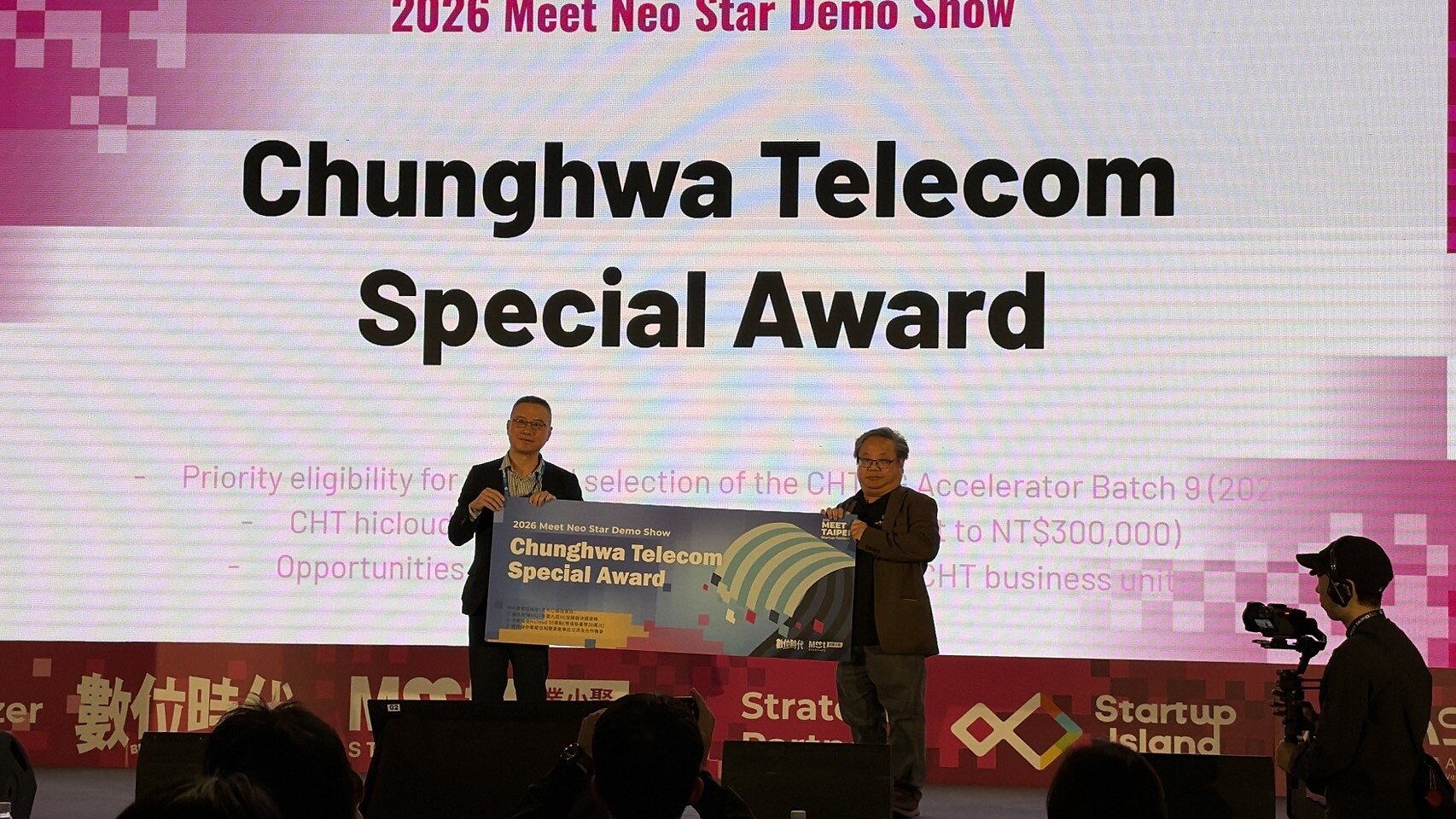
HEARTBOT AI Wins Chunghwa Telecom Special Award at Meet Neo Star 2026