China’s Hygon moves beyond data centres with embedded processors for robotics, edge AI
Chinese chipmaker Hygon Information Technology launched its Hygon 1000 series processors. These CPUs are designed for embedded use in robotics and industrial edge devices. The company expands beyond its traditional data center focus. The new chips support both DDR4 and DDR5 memory and feature a four-core, eight-thread CPU architecture.
Hygon's shift to embedded processors is a direct response to US export controls. China needs domestic alternatives for industrial automation. The Hygon 1000 series targets a critical gap in edge AI hardware. This product launch shows China's sustained effort to build a self-sufficient semiconductor supply chain, particularly for industrial applications.
This development matters for Chinese industrial players like Foxconn or DJI. They gain a new domestic option for AI-driven factory automation and robotics. Our view is that this reduces their reliance on foreign chip suppliers. The test for Hygon is whether its C86 architecture can compete on performance and reliability with established global players in embedded AI.
The thing to watch is the adoption rate among Chinese manufacturers over the next 12 to 18 months. If Hygon secures significant design wins, it validates China's domestic chip strategy. Failure to gain traction would point to continued challenges in advanced chip development despite policy support.
Share this article
Related reading
6 stories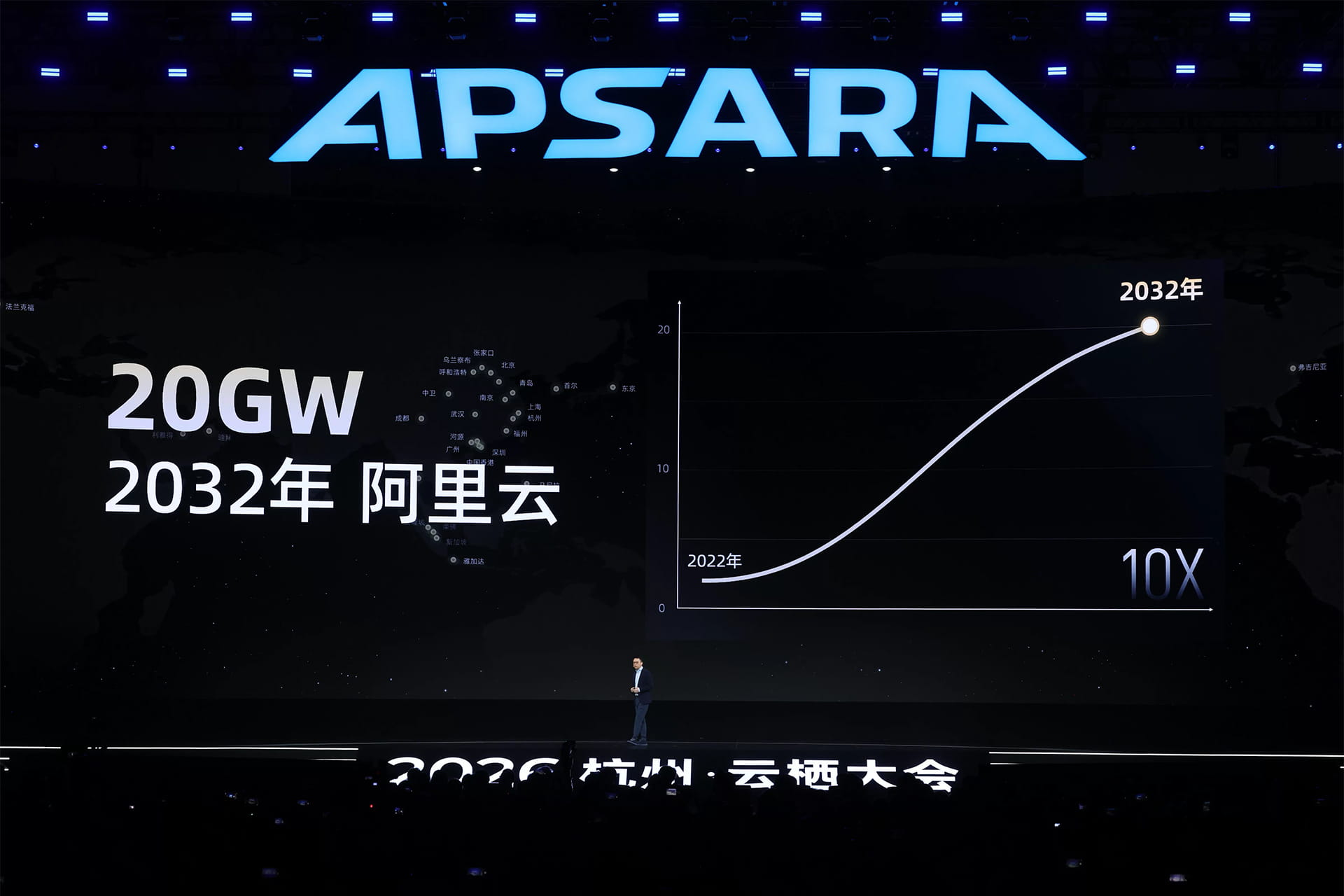
Alibaba scales AI compute with new chip and 20 GW data center target
Alibaba's move to scale AI compute with new chips and data centers shows the broader Chinese push for AI hardware.
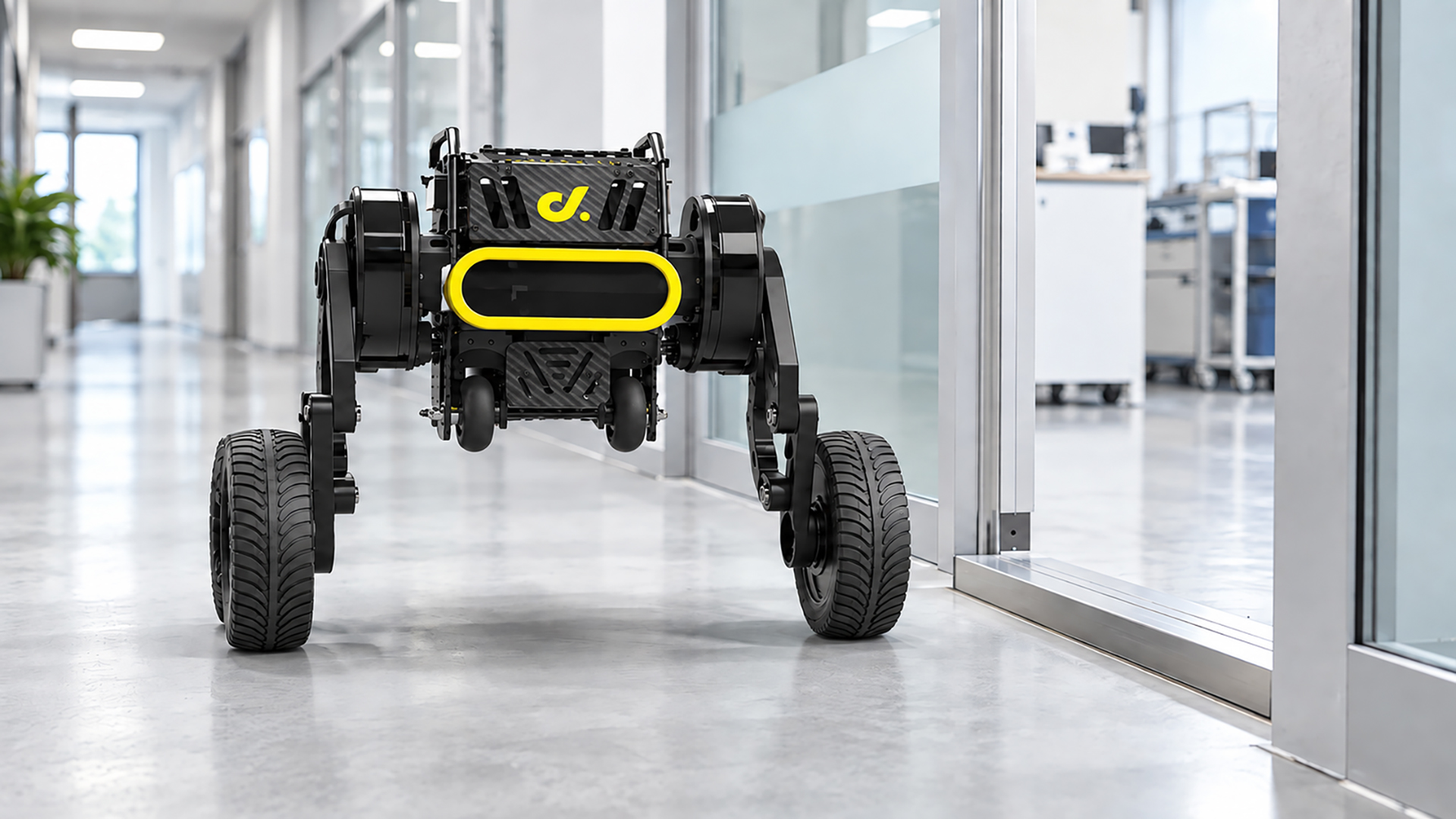
Direct Drive Tech launches Hong Kong IPO, testing demand for physical AI hardware
Direct Drive Tech's IPO tests demand for physical AI hardware, a key component of Hygon's target market.
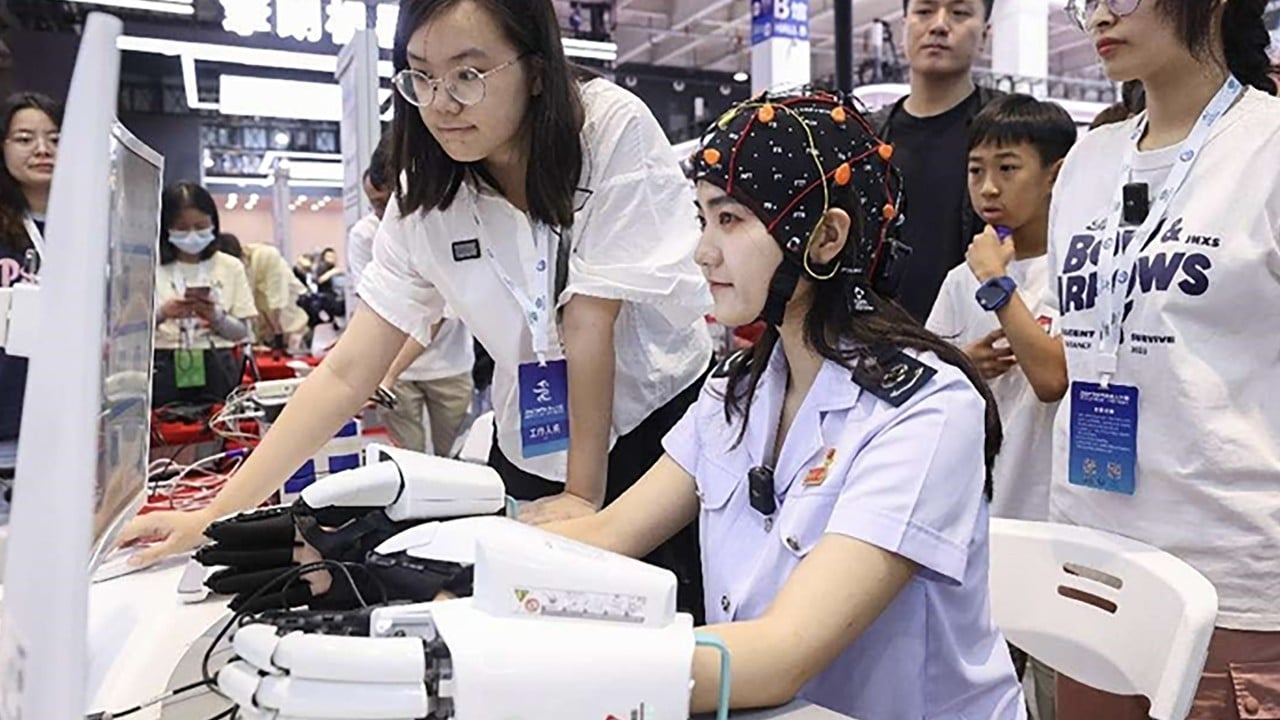
As brain-computer interface boom enters next phase, China pushes to shape global standards

PayerMax and ShopeePay Expand Partnership Beyond Payments

New 19-month low: Hong Kong stocks plunge as AI sell-off spreads to Asia