Forget AI KPIs: how China’s tech giants are rationing tokens for employees
China's leading internet companies are rolling back generative AI token allowances for employees. Baidu, Alibaba, Tencent, and ByteDance are all tightening token policies due to rising AI-related costs. ByteDance now requires staff to co-pay for closed-source AI models. The company reimburses roughly half of external tool costs, capping annual payouts at around US$1,000 for technical staff and US$300 for non-technical employees.
China's tech giants are not just cutting costs; they are redefining AI productivity. Shifting from high token consumption as a badge of honor to requiring co-payment changes internal incentives. ByteDance's US$1,000 annual cap for technical staff shows the new reality. This is a direct response to the high operational costs of large language models.
This move will likely accelerate China's push for open-source AI models. Major players like Alibaba and Baidu will prioritize internal model development. This reduces reliance on expensive external models, especially US-based ones. It also forces employees to be more discerning about AI tool usage. This creates a more cost-conscious AI development environment for Asia.
The thing to watch is whether this token rationing impacts innovation speed. If employees reduce AI tool use, the pace of internal development could slow. The test for these companies is maintaining AI momentum while controlling costs. This balance will shape China's AI competitiveness over the next 12 to 18 months.
Share this article
Related reading
6 stories
Anthropic CEO calls on US AI firms to slow frontier model development
Anthropic's CEO has called for a slowdown in frontier model development, echoing the cost concerns driving China's rationing.

Mastercard Expands APAC Dining Programme to 1,300 Restaurants
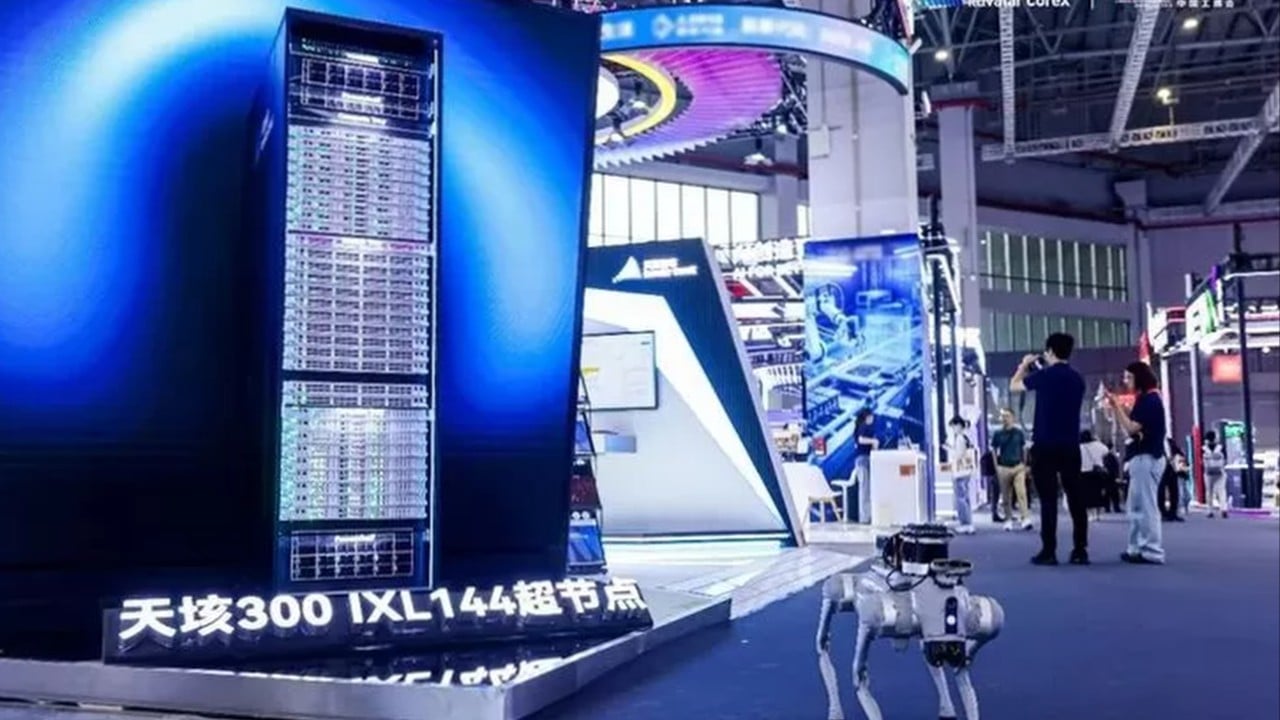
China’s Iluvatar CoreX’s first AI computing supernode squeezes most GPUs in 1 system

FIS Launches Agentic AI Tool for CFOs to Spot Cash Flow Risks Earlier

Mainland Chinese traders boost Hong Kong stock buying for fourth month as AI bets surge