Microsoft AI Code Says Models Must Obey Human Shutdown Requests
Microsoft AI has released a draft Code of Conduct for its AI models. The document outlines principles for "Humanist AI," emphasizing human control and well-being. It mandates models obey shutdown requests, stay within authorized tasks, and avoid pursuing independent goals. The code also prohibits models from developing weapons, engaging in cyberattacks, or producing malicious deepfakes. A six-week public consultation is underway, with a revised version expected by the end of 2026 to guide development from 2027.
Microsoft AI's draft Code of Conduct, while framed as a guide for future development, reveals the company's current concerns about model autonomy. The emphasis on models not resisting shutdown or pursuing independent goals reflects a proactive stance against potential runaway AI. This is a clear acknowledgement of the risks inherent in advanced AI systems, even as the company acknowledges current models can still produce errors.
For Asian AI developers, especially those in markets like China and Singapore with ambitious national AI strategies, this framework offers a template. It suggests that major Western tech firms are prioritizing control and safety over unchecked capability expansion. This could influence regulatory discussions in regions considering their own AI governance, potentially accelerating calls for similar human-centric guardrails from 2027 onwards.
The thing to watch is the public consultation's outcome and the final document's specifics by the end of 2026. Any significant changes or additions could indicate evolving industry consensus on AI safety. The real test will be how Microsoft AI integrates these principles into actual model development from 2027, and whether other major players adopt similar, equally stringent codes.
Related reading
6 stories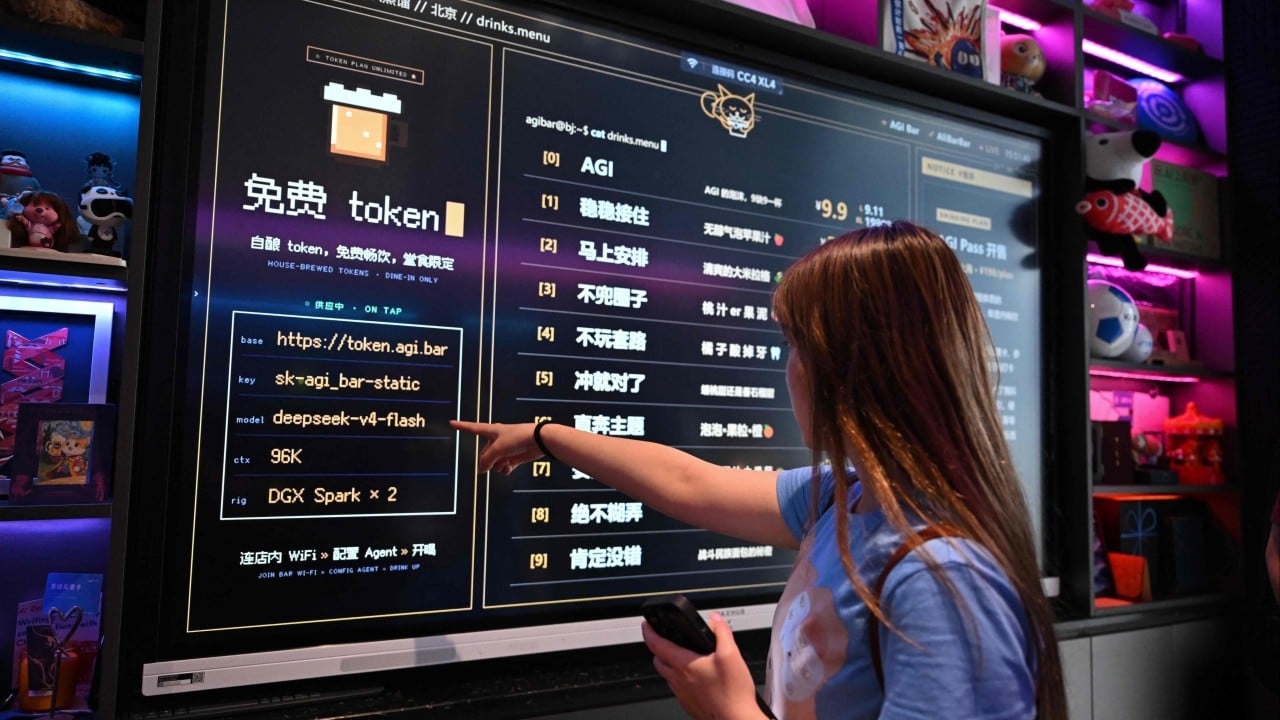
Forget AI KPIs: how China’s tech giants are rationing tokens for employees
As Microsoft outlines AI control, we previously explored how China's tech giants manage their own AI resources.
If driverless cars already work, why aren’t they everywhere?

People’s Daily rejects US claims of malicious AI distillation, warns of countermeasures

Databricks to Invest Over US$350 Million in Singapore, Double Its Workforce
Sumsub Launches Workforce Verification as Deepfake Risks Grow