China's Kimi K3 Could Soon Run on Microsoft, Google and Amazon: What Is Moonshot AI?
Moonshot AI, a Beijing-based company, is reportedly in preliminary discussions with Microsoft, Google, and Amazon to host its Kimi K3 large language model on their cloud platforms. These negotiations involve potential revenue-sharing agreements, with Moonshot AI seeking up to 30% of K3-related service revenue. The arrangement, if finalized, would mark a significant commercial collaboration between a Chinese AI firm and major U.S. cloud providers. Discussions are ongoing regarding revenue splits, data access, and token usage auditing. Moonshot AI, founded in 2023 by Yang Zhilin, has raised over $2 billion from investors including Alibaba and Tencent.
The proposed deal for Moonshot AI's Kimi K3 model to run on U.S. cloud infrastructure presents a complex dynamic for Asia's AI sector. While it offers Moonshot AI access to the vast computational resources needed for its 2.8T-parameter model, it also places a Chinese AI company, currently under U.S. scrutiny for alleged intellectual property issues and chip acquisition, directly within the U.S. technology control framework. This move could accelerate the commercialization of Kimi K3, which has shown strong performance in benchmarks, ranking first in web-interface-building capability by Arena.ai and comparable to OpenAI's GPT-5.5 by Artificial Analysis. The commercial logic for Moonshot AI is clear: leverage existing hyperscaler infrastructure to serve its open-weight model at scale. However, the political implications are substantial, given Washington's existing restrictions on advanced AI chip exports to China. The discussions highlight the tension between global commercial interests and national security concerns in the rapidly evolving AI landscape. For Asian markets, this could set a precedent for how Chinese AI models interact with global cloud services, potentially influencing future cross-border tech collaborations and regulatory responses. The key thing to watch is how the U.S. government, particularly the Treasury Department, responds to these negotiations, especially given Secretary Scott Bessent's previous consideration of adding Moonshot AI to a U.S. trade blacklist. The resolution of data access and token usage auditing will also be critical, as these details could impact the perceived security and control over the technology.
Share this article
Related reading
6 stories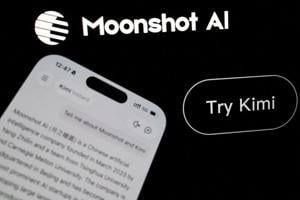
Exclusive-China's Moonshot in talks with Microsoft, Amazon, Google over K3 revenue sharing, sources say
Our exclusive reporting previously detailed Moonshot AI's discussions with Microsoft, Amazon, and Google for K3 revenue sharing.

Singapore to Introduce IPO Guides for Retail Investors

Mastercard Launches AI Assistant to Simplify Card Benefits
China moves to set global standards for brain-computer interface technology

Visa Tests AI-Powered Business Payments, Introduces New Fraud Controls