China proposes AI export curbs to manage security
China has proposed adding 23 advanced artificial intelligence (AI) technologies, including large language models, agents, and chip designs, to its export-control list. This initiative aims to restrict overseas transfers of homegrown AI advancements, citing security concerns and the potential misuse of these technologies by non-state actors or malicious entities, according to a Commerce Ministry spokesperson.
The draft proposal covers specific AI technologies like large language models and computing clusters. It includes restrictions on model weights and source code for products exceeding certain performance thresholds. For example, core technology for models with at least 2 trillion parameters, such as Kimi K3 or Alibaba's Qwen3.8-Max, or those ranking among the world's top 10 on measures including performance, usage, and safety, would be subject to these curbs.
The restrictions would also apply to AI models trained on China's "core data," defined by legislation like the Data Security Law as data concerning national security, the national economy, key public livelihoods, and major public interests. However, open-source technology and research already in the public domain would not be covered, with the government planning streamlined procedures for their export.
This move comes as Chinese AI startups have recently made progress, with models like Moonshot AI’s Kimi K3 and DeepSeek’s latest editions offering competitive pricing. These companies have also looked to markets beyond China, with some making their offerings available on US cloud service providers. The new guidelines, including a temporary registration requirement for exports, are likely to introduce further uncertainty in an industry already navigating content controls and a licensing regime.
Share this article
Related reading
6 stories
China Plans to Tighten Export Controls on AI Technologies
This earlier report detailed China's initial intentions to tighten export controls on AI technologies, setting the stage for this proposal.

Visa Tests AI-Powered Business Payments, Introduces New Fraud Controls
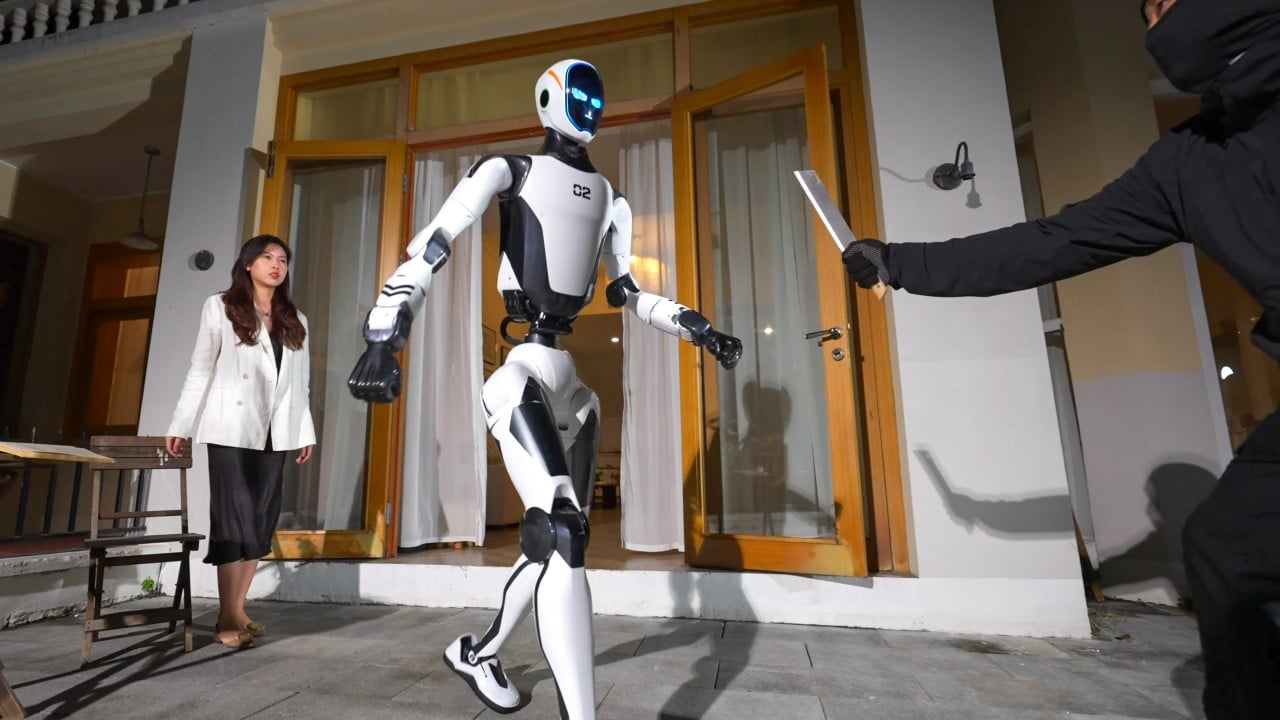
China’s Unitree unveils ‘guardian’ robot that can disarm attackers, lift cars
Google Hardens Chrome Against ClickFix Attacks, Insecure HTTP Connections
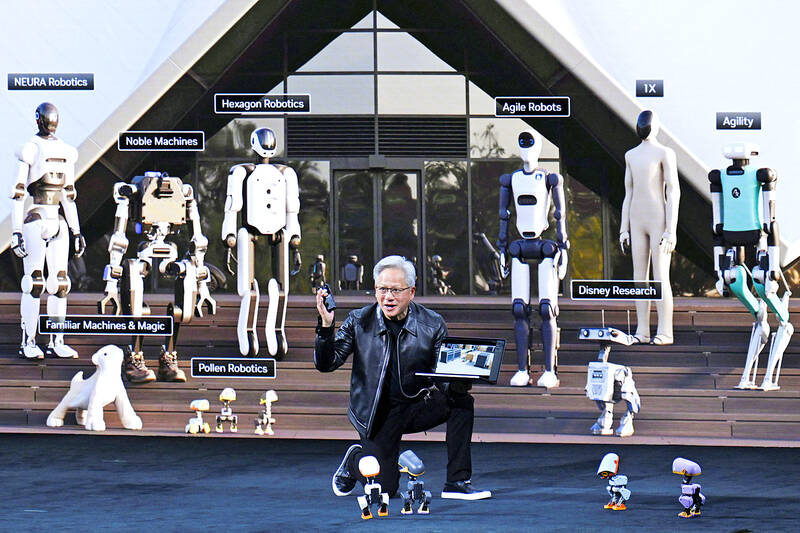
Nvidia CEO encourages Europe’s lagging AI sector and offers tools to accelerate data center buildout