
Google Hardens Chrome Against ClickFix Attacks, Insecure HTTP Connections
Google has implemented new protections in its Chrome browser to defend against "ClickFix attacks" and insecure HTTP connections, according to IT Security News. These measures include new site warnings and server-side analysis powered by Gemini, aimed at combating scams and social engineering tactics.
The integration of server-side Gemini analysis into Chrome's security features indicates a practical application of AI in enhancing browser safety. By leveraging Gemini, Google aims to identify and mitigate sophisticated social engineering attempts and scam websites, which often adapt quickly to traditional detection methods. This approach moves beyond client-side heuristics by adding a layer of real-time, AI-driven threat intelligence.
The article specifies that these new protections are designed to address "ClickFix attacks" and issues arising from insecure HTTP connections. While the details of "ClickFix attacks" are not elaborated, the focus on insecure HTTP connections suggests an ongoing effort to push for broader adoption of HTTPS, which encrypts data transmission and helps prevent tampering or eavesdropping. The new site warnings serve as a direct user interface component, alerting individuals to potential risks before they interact with malicious content.
For users and businesses, these updates mean a potentially safer browsing environment, particularly against phishing and other forms of online fraud that rely on tricking users into clicking malicious links or submitting personal information. The use of AI for threat analysis could lead to more dynamic and adaptive security, which is important given the evolving nature of cyber threats. However, the effectiveness will depend on Gemini's ability to accurately identify novel attack patterns without generating excessive false positives.
Share this article
Related reading
6 stories
Visa Tests AI-Powered Business Payments, Introduces New Fraud Controls
Visa is also leveraging AI for enhanced fraud controls, showing a broader industry trend in AI-driven security.

China’s Unitree unveils ‘guardian’ robot that can disarm attackers, lift cars
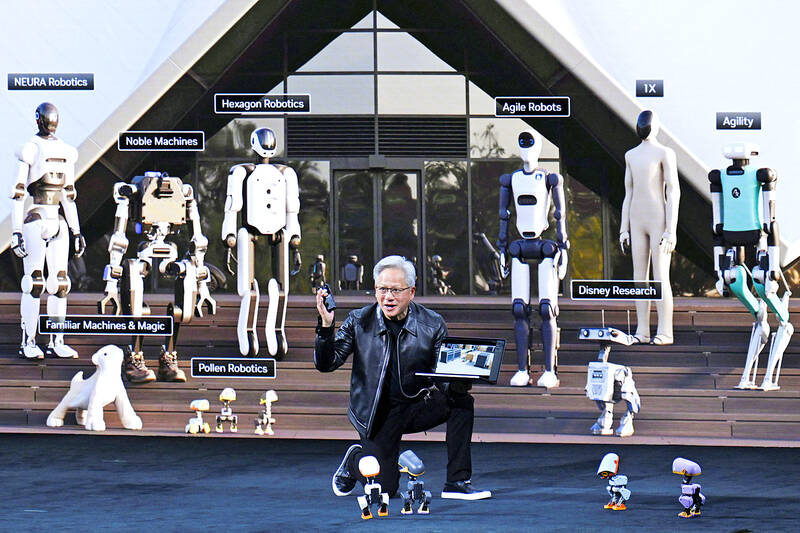
Nvidia CEO encourages Europe’s lagging AI sector and offers tools to accelerate data center buildout

Synology Outlines AI Data Infrastructure Priorities For Malaysian Businesses At Annual Press Event

China’s AI Industry Brings Both Gains and Challenges for Its Fragile Economy
