China Plans to Tighten Export Controls on AI Technologies
China's Ministry of Commerce announced on October 16 its plan to add artificial intelligence (AI) and other technologies to its export controls list. The proposed measures identify 23 AI-related technologies, including large AI models and AI chip design, alongside biopharmaceutical and photovoltaic technologies, aiming to ensure AI remains "safe and controllable."
The new export control framework introduces a temporary registration requirement for transferring intellectual property, licensing technology to foreign entities, or transferring ownership of Chinese technology overseas. This applies to ongoing transactions as well, indicating an immediate effect on current technology transfer activities. The ministry stated that AI technology already released into the public domain, such as through open-source projects or academic papers, will be exempt from these restrictions.
However, the deployment of a restricted AI model on an overseas server or other infrastructure may fall within the scope of the new export controls. The ministry did note that streamlined licensing procedures could apply if the deployment was to a Chinese company's own overseas cloud infrastructure or in other "relatively controllable-risk circumstances." This suggests a nuanced approach to managing the international reach of AI developed in China.
This initiative can be seen as a response to Western countries placing sovereignty requirements on AI and other key technologies. According to Lian Jye Su, chief analyst at Omdia, the aim would be to better regulate access to Chinese technologies. The move demonstrates Beijing's intent to assert greater control over its strategic industries and the global deployment of its technological advancements, particularly amidst rivalry with the United States.
Share this article
Related reading
6 stories
China proposes AI export curbs to manage security
We previously reported on China's proposed AI export curbs, which this article details further.
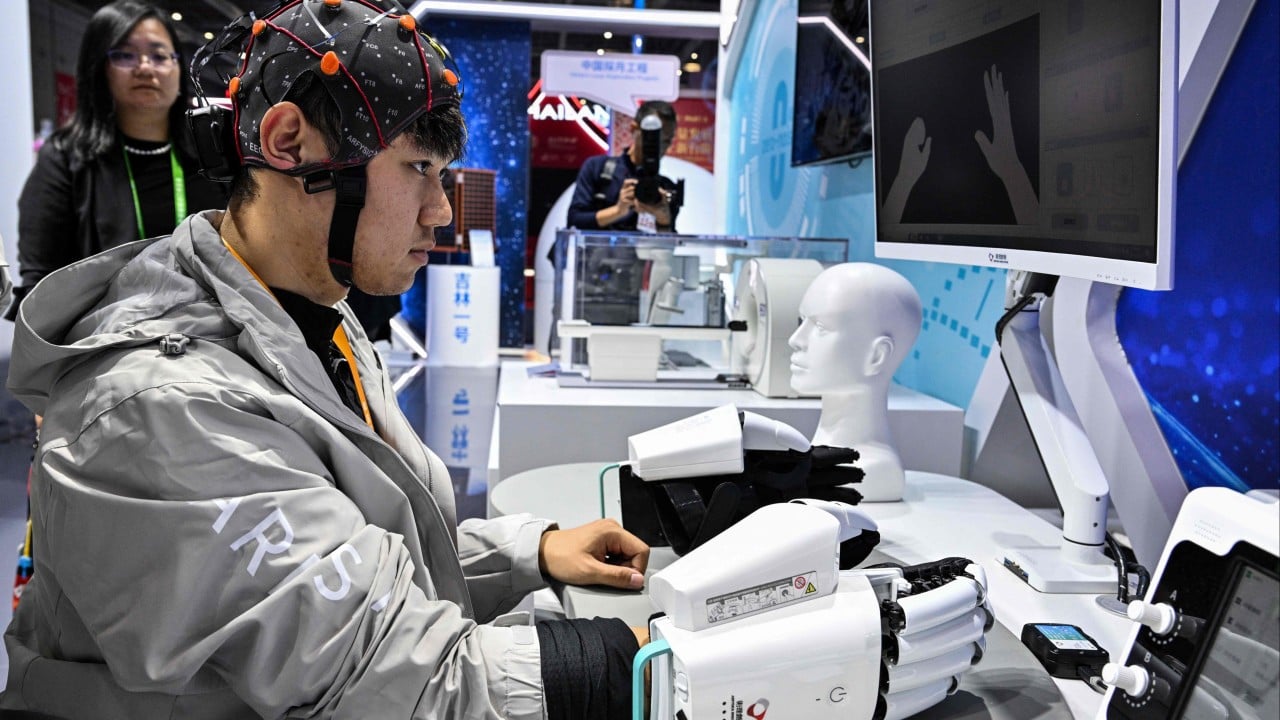
China moves to set global standards for brain-computer interface technology

Visa Tests AI-Powered Business Payments, Introduces New Fraud Controls
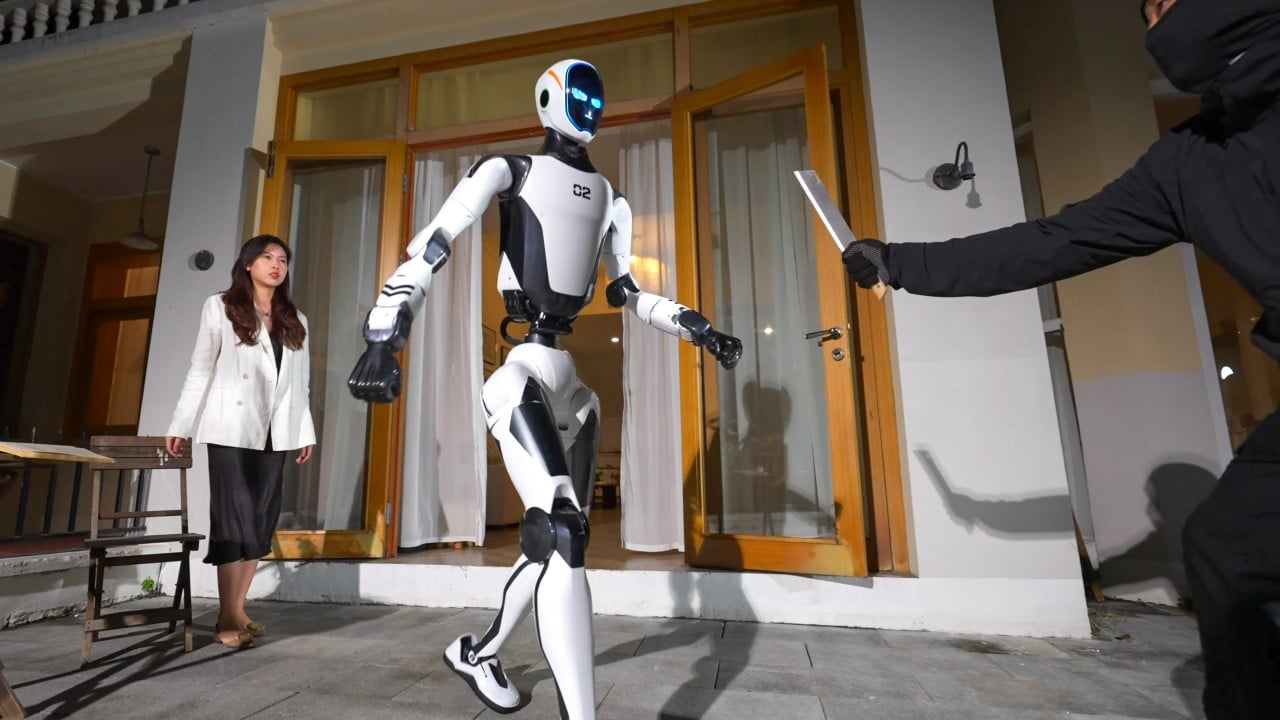
China’s Unitree unveils ‘guardian’ robot that can disarm attackers, lift cars