
China plans broad AI guardrails after global lapses
China's state economic planner intends to roll out comprehensive AI safety standards, governing the technology from development through deployment, according to Wang Ruomeng of the National Development and Reform Commission. These guidelines will cover data, computing power, and algorithms, while establishing ethical frameworks. Beijing plans to ease compliance for developers like DeepSeek and Alibaba via transition periods and regulatory sandboxes.
China is reportedly accelerating legislation to establish broad safety standards for artificial intelligence, covering the technology's entire life cycle. This effort, articulated by Wang Ruomeng from the National Development and Reform Commission, encompasses areas such as data, computing power, algorithms, ethical guidelines, and monitoring AI's societal impacts, including employment displacement. The reported aim is to guard against potential risks like AI running amok or fueling cyberattacks, addressing concerns raised globally.
Despite the extensive nature of these planned guardrails, Beijing also intends to implement measures designed to foster AI innovation and ease the burden on developers. These include an unspecified transition period and guidance for AI firms, alongside the introduction of sector-specific regulatory sandboxes. These sandboxes are meant to provide greater leeway for trial and error, allowing companies to experiment within controlled environments before broader regulations apply.
The government reportedly continues to encourage "open AI development" through the 15th five-year plan ending 2030, suggesting a dual strategy. This approach attempts to balance a structured regulatory environment with flexibility for growth, reflecting Beijing's stated goal of striking a delicate balance between countering the US in AI and recognizing the technology's potential risks. International cooperation on AI safety governance is also being called for.
Share this article
Related reading
6 stories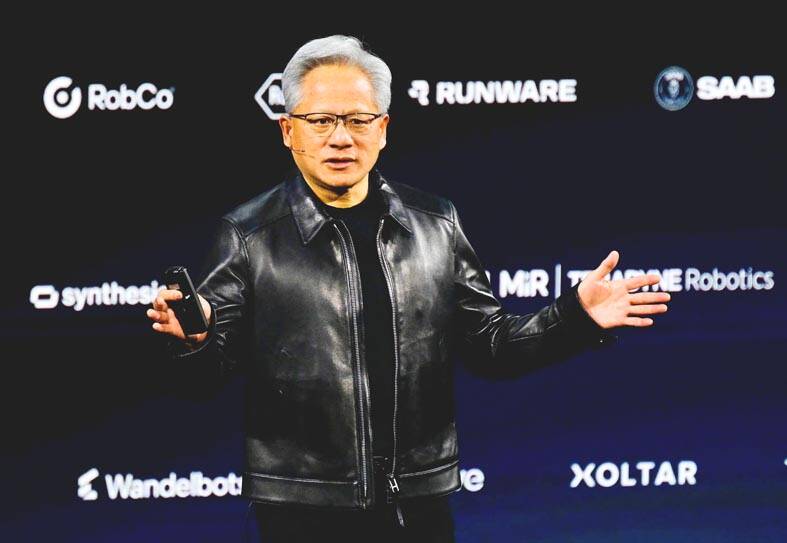
Nvidia orders data centers to reduce China exposure
China's AI guardrails follow Nvidia's moves to reduce its China exposure, highlighting the complex interplay of tech and policy.
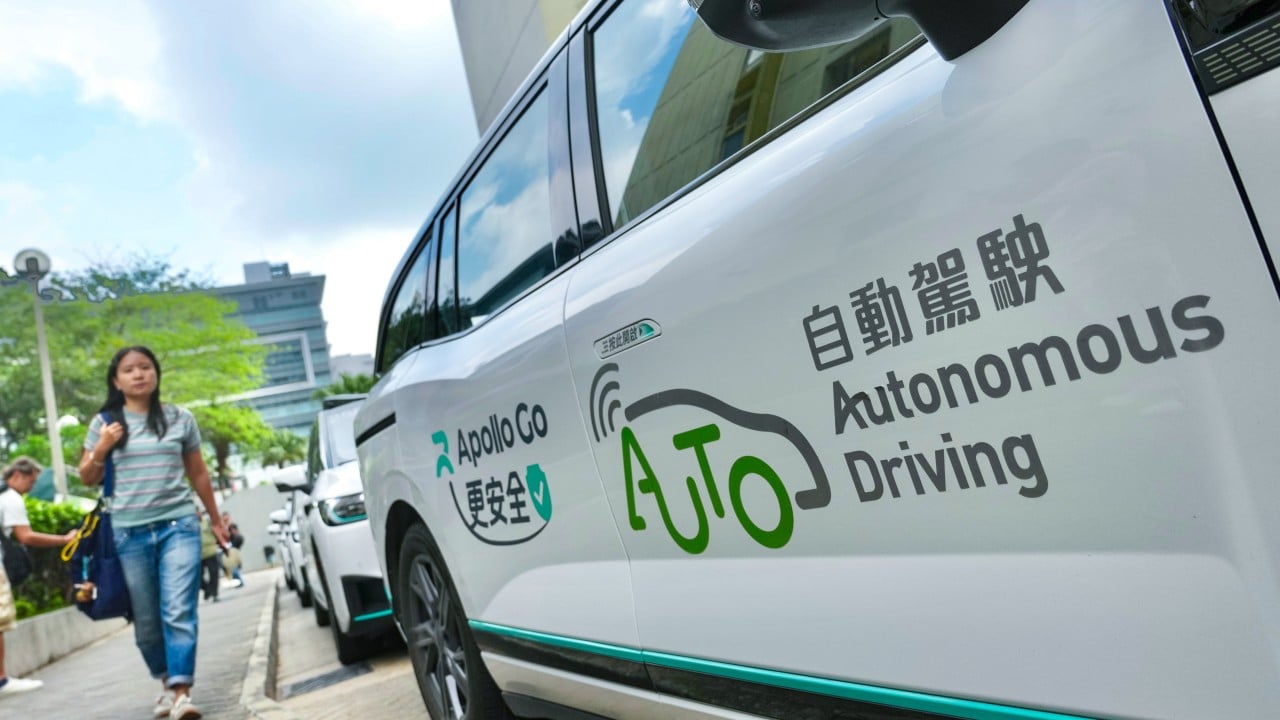
Baidu’s new AI simulator gives robotaxis a crash course in rare road hazards
As China plans AI guardrails, Baidu's AI simulator for robotaxis shows how innovation continues within the regulatory landscape.
Tencent unveils Hy4 as open-weight AI race with DeepSeek, Z.ai, Alibaba heats up

Expensify Taps Visa Referrals to Reach Corporate Cardholders

India’s EloElo nabs $80M from NBCUniversal to bet on the country’s rising microdrama market
