China launches space computing hub as SpaceX gears up for historic IPO
China has launched a state-backed research institute in Beijing dedicated to space-based artificial intelligence computing. This move signifies China's intensified focus on developing frontier technologies in the space sector, aiming to accelerate its capabilities in AI. The initiative comes as a direct response to the escalating tech race with the United States, particularly as Elon Musk's SpaceX prepares for a potentially record-breaking US$75 billion initial public offering. SpaceX's IPO is intended to fund its own ambitious orbital AI projects, highlighting the global competition in integrating AI with space technology.
China's establishment of a space computing hub underscores a strategic pivot towards integrating advanced AI with orbital infrastructure, a critical development for Asia's tech ecosystem. This initiative not only signals China's ambition to lead in next-generation space technologies but also intensifies the regional and global competition in AI development. For Asian markets, this could spur increased investment in domestic AI research and development, particularly in areas like satellite technology, data processing, and autonomous systems, as other nations seek to keep pace. The focus on state-backed research institutes suggests a top-down approach to innovation, which could lead to rapid advancements but also potential challenges in fostering open collaboration.
This move also highlights the dual-use nature of many advanced technologies, with implications for both civilian and defense applications. The competition with SpaceX, a private enterprise, illustrates differing models of innovation—state-driven versus private sector-led—which will shape the future landscape of space AI. For Asian startups, this could create opportunities in niche areas supporting these large-scale national projects, but also presents the challenge of competing with well-funded state entities. The broader trend indicates a future where space infrastructure is increasingly intelligent and autonomous, driven by AI, necessitating significant investment and strategic planning across the continent.
Related reading
6 stories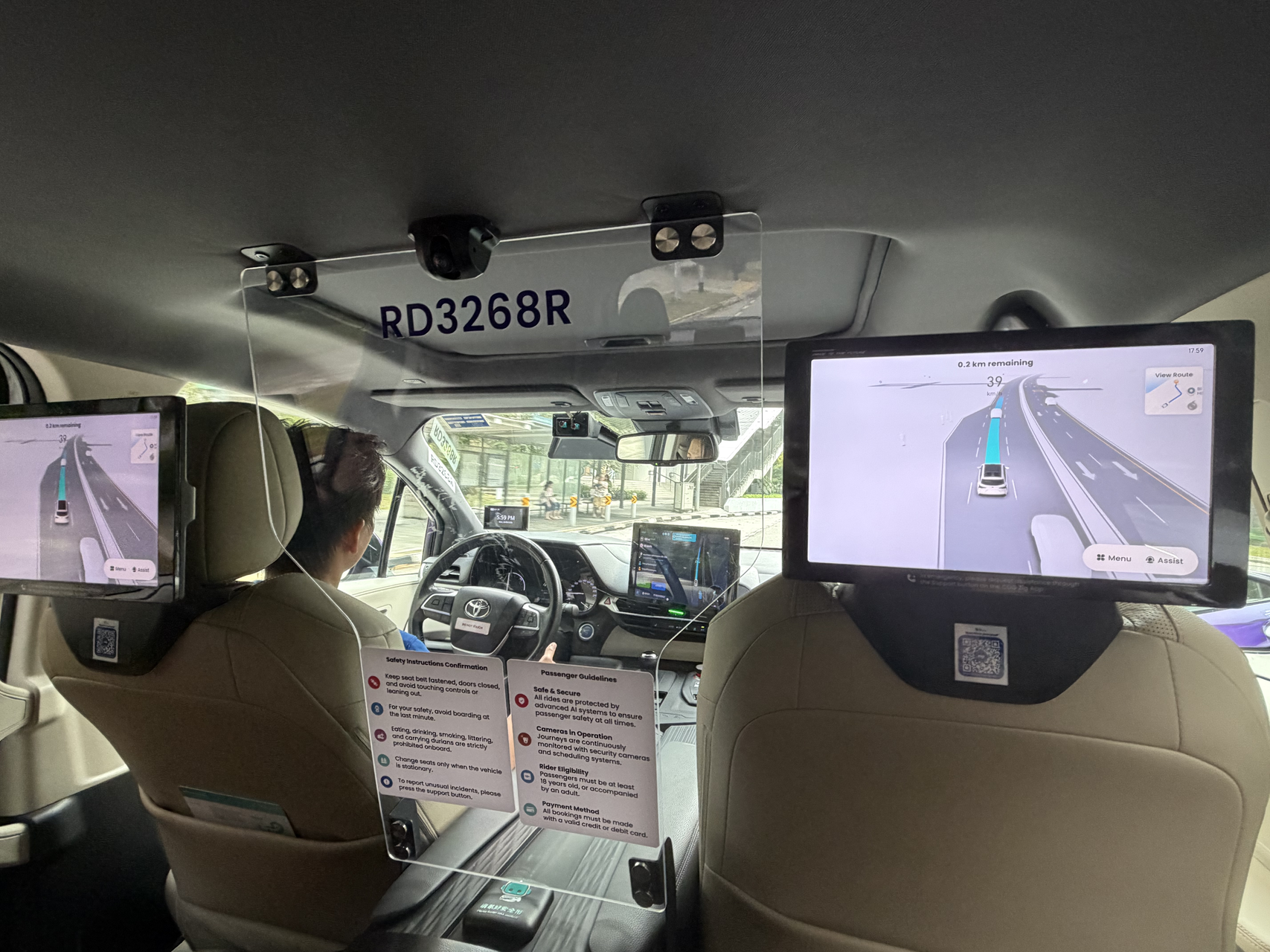
If driverless cars already work, why aren’t they everywhere?
People’s Daily rejects US claims of malicious AI distillation, warns of countermeasures

Sumsub Launches Workforce Verification as Deepfake Risks Grow
ByteDance’s AI-enhanced short-drama app eclipses China’s Netflix rivals combined

Timo Joins Top 10 Banks in Vietnam by Customer Satisfaction