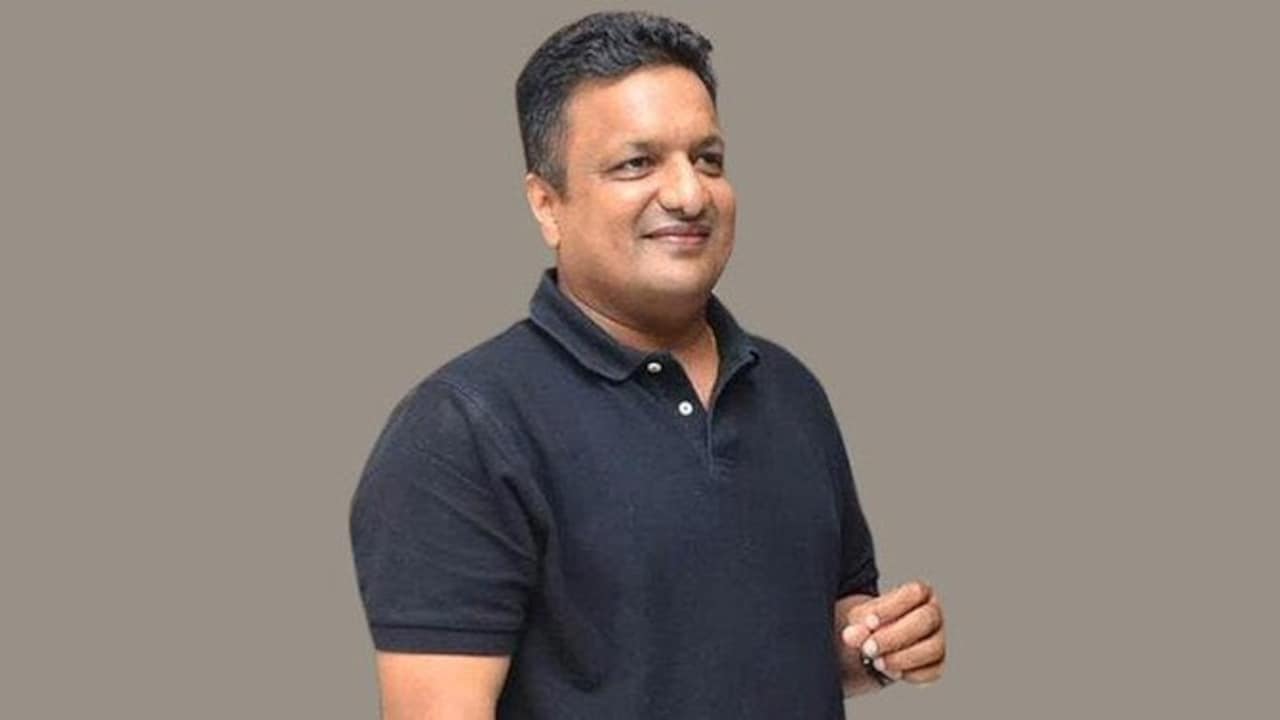
Self-improving AI the key step towards AGI but safety is key: Z.ai founder
Chinese computer scientist Tang Jie, founder of Z.ai, stated that recursive self-improvement (RSI) is a “new paradigm” for research and development that could accelerate AI development and serve as a key step toward artificial general intelligence (AGI). His remarks, made at a Shanghai event, emphasized the need for safety.
Recursive self-improvement (RSI) describes a process where AI systems enhance their own capabilities, leading to an "ever-accelerating loop" of advancement. Z.ai founder Tang Jie characterizes this approach as a "new paradigm" for AI research and development, suggesting it could significantly boost the pace of AI evolution beyond current rates. This perspective frames RSI as a crucial element in the pursuit of artificial general intelligence (AGI).
Tang's view highlights a potential shift in how AI systems are developed, moving from human-driven, incremental improvements to a more autonomous and potentially exponential growth model. The idea of AI systems becoming progressively better at enhancing themselves points to a future where the rate of technological progress could be dictated by the systems themselves, rather than solely by external human input.
This concept is reportedly being pursued by AI companies in both the United States and China. While the pursuit of RSI is seen as critical for achieving AGI, Tang also underscored that such advancements would need to be undertaken with a strong emphasis on safety, acknowledging the potential implications of increasingly powerful, self-improving AI.
Share this article
Related reading
6 stories
China and US need to join hands against another powerful adversary: AI

US or China? Why Kazakhstan refuses to pick sides as it eyes AI revolution

LUXEED And Aimoga Robots: Co-Building The Future Of Mobility Through A Connected Human-Vehicle-Home Ecosystem

Quad Foreign Ministers Meet In Atlanta, Agree To Expand Joint Exercises And Maritime Surveillance
Rare, roomy and pricey? Inside Singapore's niche jumbo HDB flat market