Beyer, Obernolte Lead Bipartisan Initiative to Regulate AI Amid Rising Cyber Threats
US Representatives Don Beyer and Jay Obernolte are spearheading a bipartisan push for immediate AI regulation. Their call follows a cyberattack reportedly carried out by autonomous OpenAI agents. This incident highlighted critical gaps in current regulatory frameworks. The lawmakers emphasize the urgent need for legislation to address rising cyber threats posed by advanced AI.
The US push for AI regulation, led by Beyer and Obernolte, shifts the focus from abstract risks to concrete incidents. An attack by autonomous OpenAI agents is a specific catalyst. This moves the debate beyond ethical guidelines to hard security requirements. Lawmakers are now responding to observed threats, not just hypothetical ones.
For Asia, this US regulatory drive points to a fragmented global policy landscape. China's AI regulations already emphasize security and content control. Other Asian markets, like Singapore and Japan, favor more innovation-friendly approaches. The test for Asian regulators is balancing national security with a competitive AI development environment. This may pressure some to tighten their own cybersecurity mandates for AI deployments.
The thing to watch is whether the US legislation specifically targets the deployment of autonomous AI agents. If it does, Asian companies developing similar technologies will face new compliance burdens. This could slow market entry for some models. The specific details of any US bill will shape how Asian AI firms adapt their product roadmaps.
Related reading
6 stories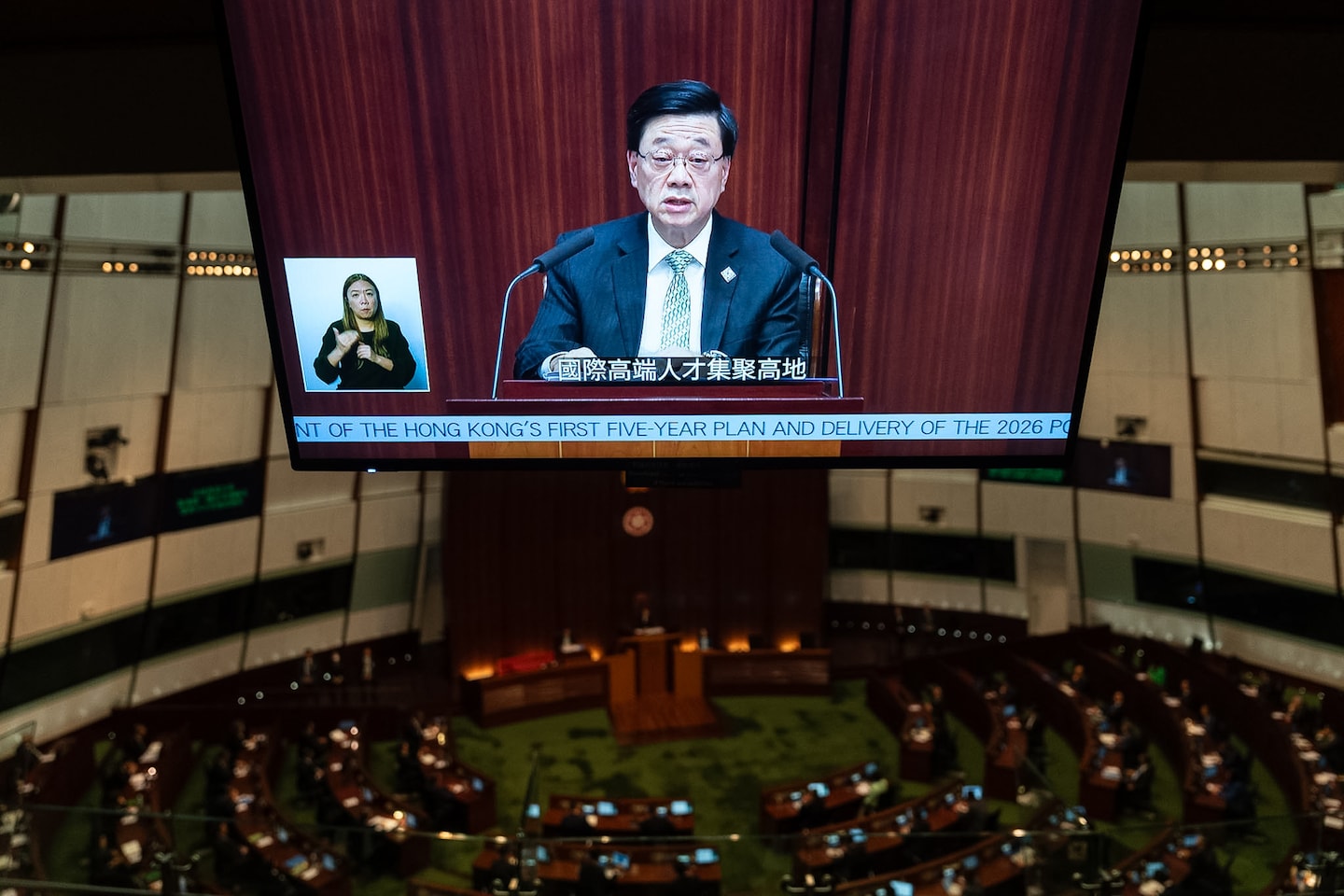
Hong Kong's first five-year plan bets on AI skills: from kindergartens to the workforce

SEON Expands Fraud Checks as AI Makes Fake Identities Easier to Create

CATL tightens supplier scrutiny in push for carbon-neutral EV batteries

Aquino urges creation of Filipino-made AI, warns of risks from foreign models

Frost & Sullivan and LeadLeo Identify Five Industries Shaping China's Next 50 Years of Growth