
AI offers 'lifeline' for emerging economies, World Bank says
The World Bank suggests that artificial intelligence could significantly accelerate development in emerging economies, potentially allowing them to achieve a century's worth of progress within a decade. This outlook highlights AI's transformative potential beyond just developed nations, positioning it as a critical tool for global economic advancement. The institution's perspective underscores the need for strategic investment and policy frameworks to harness AI's benefits effectively in these regions. Such rapid development could address long-standing challenges in areas like healthcare, education, and infrastructure. However, realizing this potential will depend on careful implementation and equitable access to AI technologies.
The World Bank's assertion that AI can offer a "lifeline" for emerging economies resonates strongly within Asia's diverse tech landscape. Many Asian nations, particularly those in Southeast Asia and South Asia, are grappling with the dual challenges of rapid urbanization and the need for sustainable economic growth. AI presents a unique opportunity to leapfrog traditional development stages, offering solutions for everything from precision agriculture and smart city planning to accessible healthcare and personalized education.
For Asia's tech ecosystem, this perspective signals a growing demand for AI solutions tailored to the specific needs and infrastructure limitations of developing markets. It encourages startups and established tech companies across the region to focus on practical, scalable AI applications that can drive real-world impact. Furthermore, it highlights the importance of policy frameworks that support AI adoption while addressing concerns around data privacy, ethical use, and job displacement, ensuring that the benefits of this technological revolution are broadly shared.
Share this article
Related reading
6 stories
Singapore to Introduce IPO Guides for Retail Investors

Mastercard Launches AI Assistant to Simplify Card Benefits
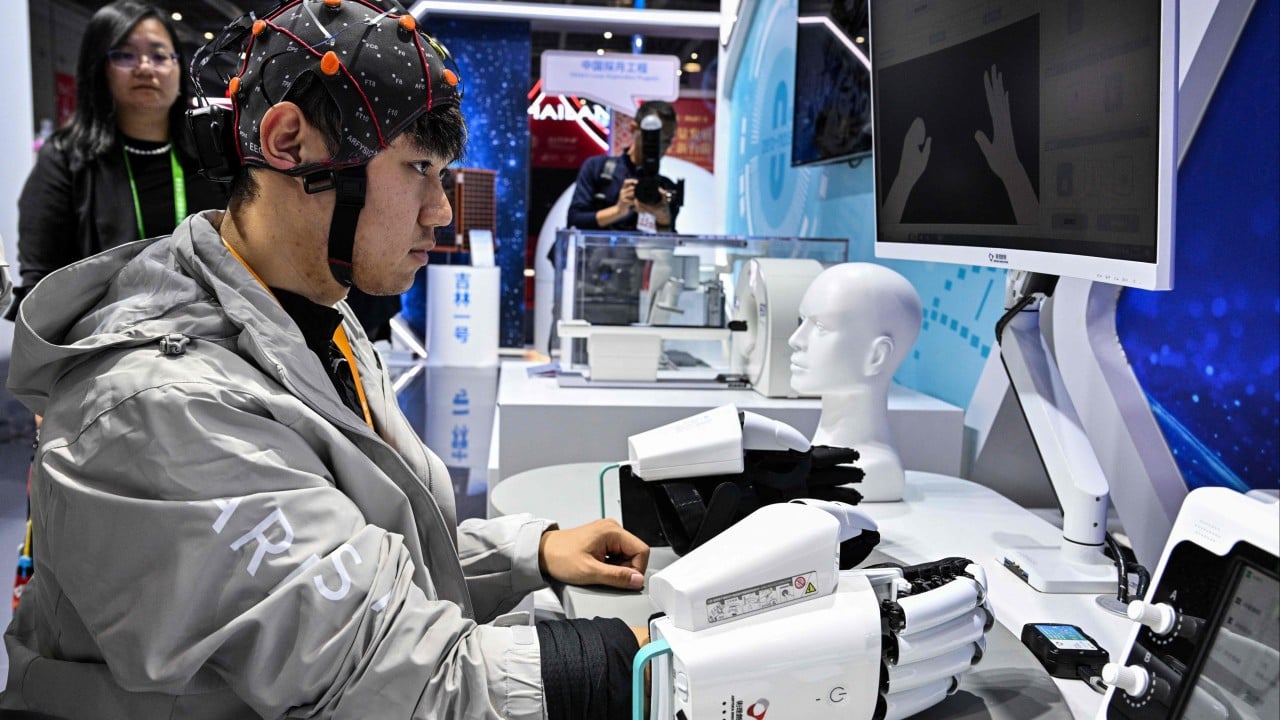
China moves to set global standards for brain-computer interface technology

Visa Tests AI-Powered Business Payments, Introduces New Fraud Controls

Standard Chartered Signs Deal to Acquire Zodia Custody
