Why solar-plus-storage stalls at the cost of capital
The Philippines faces high electricity costs, with some areas paying 25 to 40 US cents per kilowatt-hour, making solar-plus-storage systems cheaper than grid power. Despite this economic advantage, widespread adoption of solar and battery solutions is stalling. Ping Mendoza, president of the Philippine Solar and Storage Energy Alliance (PSSEA), attributes this to two main factors: geographical fragmentation and the high cost of capital. The archipelago's dispersed islands make logistics expensive, and local lending rates are higher than in Western markets, hindering investment in renewable energy projects. Mendoza suggests that while government energy policy has been effective, solar and storage need to be viewed as a national strategic imperative rather than merely an energy question.
The Philippines' struggle to deploy solar-plus-storage systems, despite their cost-effectiveness compared to grid power, highlights a critical challenge for renewable energy adoption in archipelagic Southeast Asia. Ping Mendoza of PSSEA points out that while technology is maturing, the cost of money and logistical hurdles across the islands are primary barriers. Local banks lack suitable long-term loan products for solar and batteries, and foreign investment is deterred by currency risk, with the peso fluctuating past 60 to a dollar. This situation suggests that even with strong economic incentives, financial infrastructure and geographical realities can impede energy transition. For the region, this reflects a broader need for tailored financial instruments and regional cooperation to overcome unique market complexities. Mendoza's call for blended finance and a shared regional certificate for installers indicates a path toward integrating fragmented markets. The focus on deploying jobs and solar infrastructure in the provinces, rather than solely in Manila, could also serve as a model for other developing nations with dispersed populations and high energy costs. The core issue for the Philippines is not technology or policy but the financial plumbing and logistical reach. Treating solar as a national strategy, akin to how Middle Eastern countries viewed oil, could unlock significant economic opportunity and energy security. The current situation, where consumers in off-grid areas are subsidized, further underscores the economic rationale for accelerating solar-plus-storage deployment.
Related reading
6 stories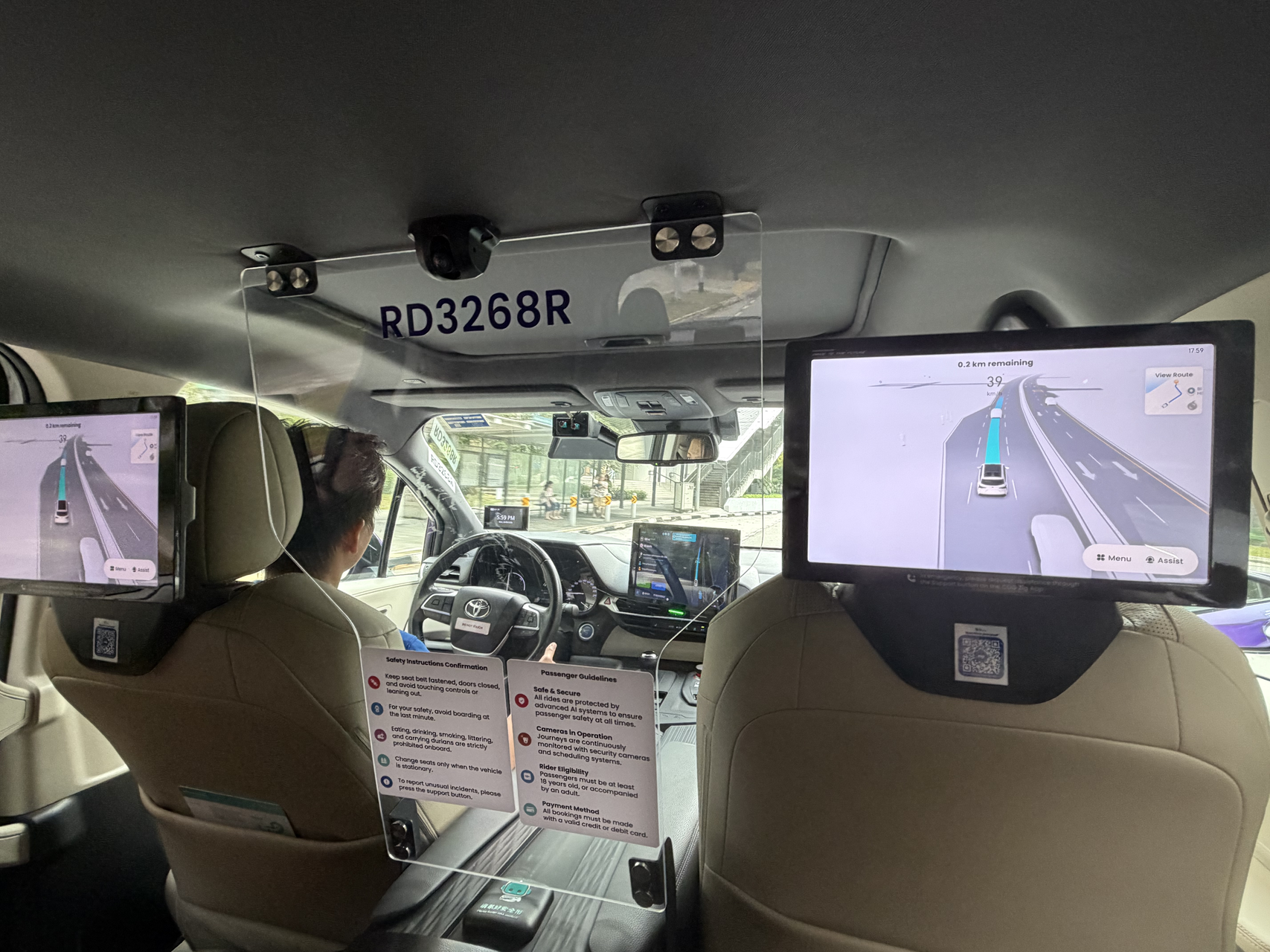
If driverless cars already work, why aren’t they everywhere?

Sumsub Launches Workforce Verification as Deepfake Risks Grow
ByteDance’s AI-enhanced short-drama app eclipses China’s Netflix rivals combined

Timo Joins Top 10 Banks in Vietnam by Customer Satisfaction

Payment Agility and Modernisation for the Age of Intelligence