What does Washington’s latest AI chip guidance mean for Chinese tech firms?
Washington’s latest guidance on advanced artificial intelligence chip exports has drawn sharp criticism from China’s Ministry of Commerce, which accuses the United States of weaponizing export controls and disrupting the global semiconductor supply chain. Despite Beijing’s strong condemnation, trade lawyers and industry insiders suggest that the actual impact of these new regulations on Chinese tech firms may be less severe than the geopolitical rhetoric implies. This divergence in perception highlights the complex interplay between national security concerns, economic competition, and the intricate realities of the tech industry. The guidance aims to curb China’s access to cutting-edge AI technologies, but its practical implementation and enforcement will ultimately determine its true efficacy and fallout.
The ongoing US-China tech rivalry, particularly in advanced semiconductors and AI, continues to shape the landscape for Asian tech firms. While China's Ministry of Commerce frames Washington's latest AI chip export guidance as an abuse of power, the nuanced perspective from industry insiders suggests a potentially more contained impact. This indicates that while the geopolitical posturing is significant, the practical realities of global supply chains and technological development often lead to workarounds or a slower, more deliberate shift rather than an immediate, catastrophic disruption. Asian semiconductor manufacturers and AI developers, particularly those with global operations, must navigate these evolving regulations carefully, balancing market access with compliance.
For the broader Asian tech ecosystem, these export controls accelerate indigenous innovation efforts within China, pushing companies to develop domestic alternatives and reduce reliance on foreign technology. This could foster new opportunities for regional players in areas like chip design, manufacturing equipment, and AI software, but also intensify competition. Simultaneously, companies outside China may see increased demand for their products and services as Chinese firms seek alternative suppliers or partners. The long-term trend points towards a more fragmented global tech supply chain, requiring strategic adaptation from all stakeholders in Asia.
Related reading
6 stories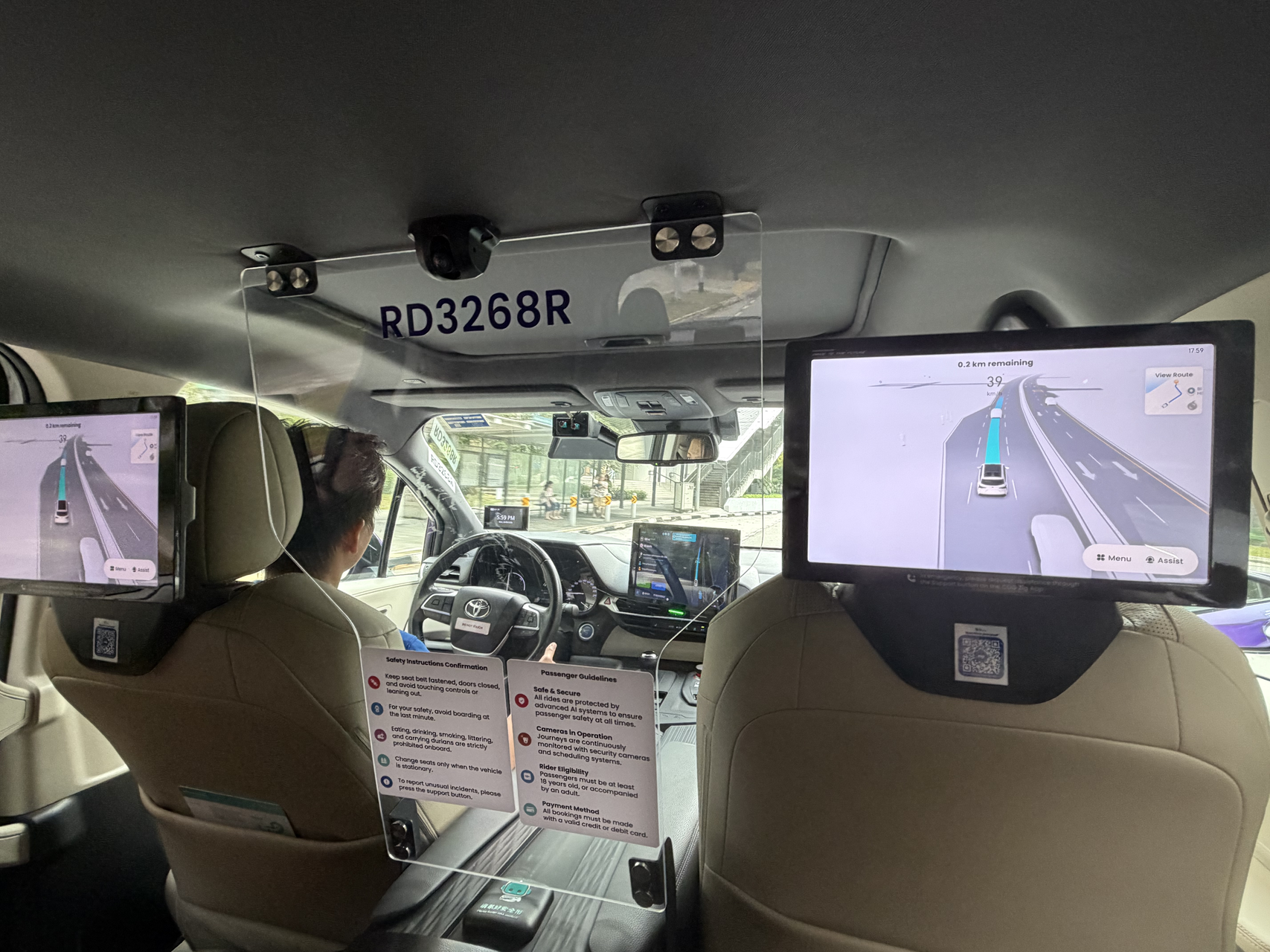
If driverless cars already work, why aren’t they everywhere?
People’s Daily rejects US claims of malicious AI distillation, warns of countermeasures

Sumsub Launches Workforce Verification as Deepfake Risks Grow
ByteDance’s AI-enhanced short-drama app eclipses China’s Netflix rivals combined

Timo Joins Top 10 Banks in Vietnam by Customer Satisfaction