What a visit to China’s AI labs reveals about the battle for global soft power
A recent visit to a Shanghai-based artificial intelligence research institute offered a unique glimpse into China’s ambitious AI landscape. The exhibition hall featured an expansive ink-wash map, a striking cartography of AI that visually represented chipmakers as mountains and algorithms as jagged ranges. This artistic rendering also depicted crucial ethical considerations like privacy and fairness as uncharted islands, highlighting the multifaceted challenges and opportunities within the AI domain. Foreign guests were observed closely studying this intricate map, underscoring the global interest in China’s advancements and strategic thinking in artificial intelligence. The experience reveals the depth of thought and investment going into the country’s AI development.
This article provides a fascinating perspective on China's approach to AI development, emphasizing not just technological prowess but also the conceptualization of its ecosystem. The visual metaphor of AI cartography, with chipmakers as mountains and algorithms as ranges, illustrates a holistic and perhaps even artistic understanding of the complex interplay of components within the AI landscape. This level of integrated thinking, presented in an accessible and engaging manner, suggests a strategic effort by China to shape both domestic and international perceptions of its AI capabilities and philosophical underpinnings.
The inclusion of ethical considerations like privacy and fairness as 'uncharted islands' is particularly noteworthy. It indicates an awareness, at least on a representational level, of the broader societal implications of AI, even as the nation pushes forward with rapid technological advancement. For Asia's tech ecosystem, this signals China's intent to lead not just in raw compute power or algorithm development, but also in framing the narrative around AI's future, potentially influencing standards and best practices across the region and globally. This soft power play, articulated through cultural and intellectual engagement, could have significant long-term impacts on market dynamics and international collaborations.
Share this article
Related reading
6 stories
Canva releases its first image generation model
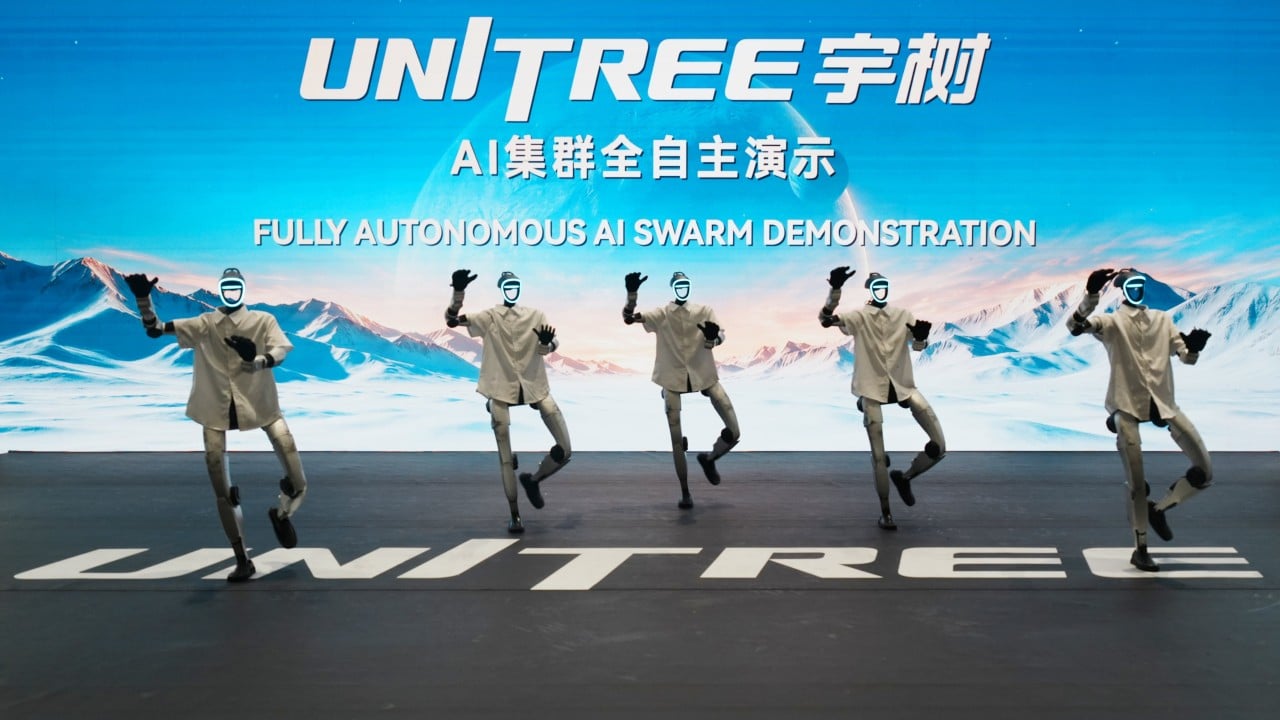
Unitree developing AI system to let humanoid robots improve themselves

Nirva raises $33M for a pendant that only listens to you

Cybersecurity Alert: AI Finds PHP Flaws, eMudhra Faces Certificate Concerns

Volkswagen’s Jetta M6 EV launched in China with up to 555 km range, starting at 11,900 USD