US, China gear up for mid-September AI safety dialogue
The U.S. and China are reportedly preparing for a bilateral dialogue on AI safety risks in mid-September, according to two sources briefed on the discussions. This would mark the first official bilateral talks focused exclusively on AI between the two nations since former U.S. President Donald Trump's second term. U.S. Treasury Secretary Scott Bessent is expected to lead the American delegation, with China's Vice Premier He Lifeng or Ding Xuexiang potentially leading on their side. The proposed agenda includes cooperation on monitoring AI-directed cyberattacks and a proposal for U.S. and Chinese AI labs to self-police and share information to prevent such incidents. The U.S. also plans to address concerns about potential Chinese Mythos-level models for cyberattacks and alleged distillation of proprietary U.S. AI models, specifically citing Moonshot AI's K3 release and Anthropic's Fable model.
The reported mid-September AI safety dialogue between the U.S. and China, if it materializes, represents a critical juncture for Asia's technology landscape. With U.S. Treasury Secretary Scott Bessent likely leading the U.S. side, the focus on AI-directed cyberattacks and the self-policing of AI labs points to a shared recognition of escalating risks. This engagement could establish precedents for how major AI powers manage the dual-use nature of advanced AI, directly impacting the operational frameworks for AI developers and cybersecurity firms across Asia. Washington's concerns about potential Chinese Mythos-level models and the alleged distillation of U.S. proprietary AI, such as Anthropic's Fable model by Moonshot AI, highlight the intellectual property and competitive pressures within the global AI race. For Asian AI companies, this underscores the increasing scrutiny on model development practices and the imperative for robust IP protection and ethical AI deployment. The involvement of China's Vice Premier He Lifeng or Ding Xuexiang, a key coordinator of China's technology policy, suggests high-level commitment to these discussions, which could shape future regulatory environments for AI innovation in the region.
Related reading
6 stories
Exclusive-US, China gear up for mid-September AI safety dialogue
Our exclusive earlier report broke the news of this critical US-China AI safety dialogue.
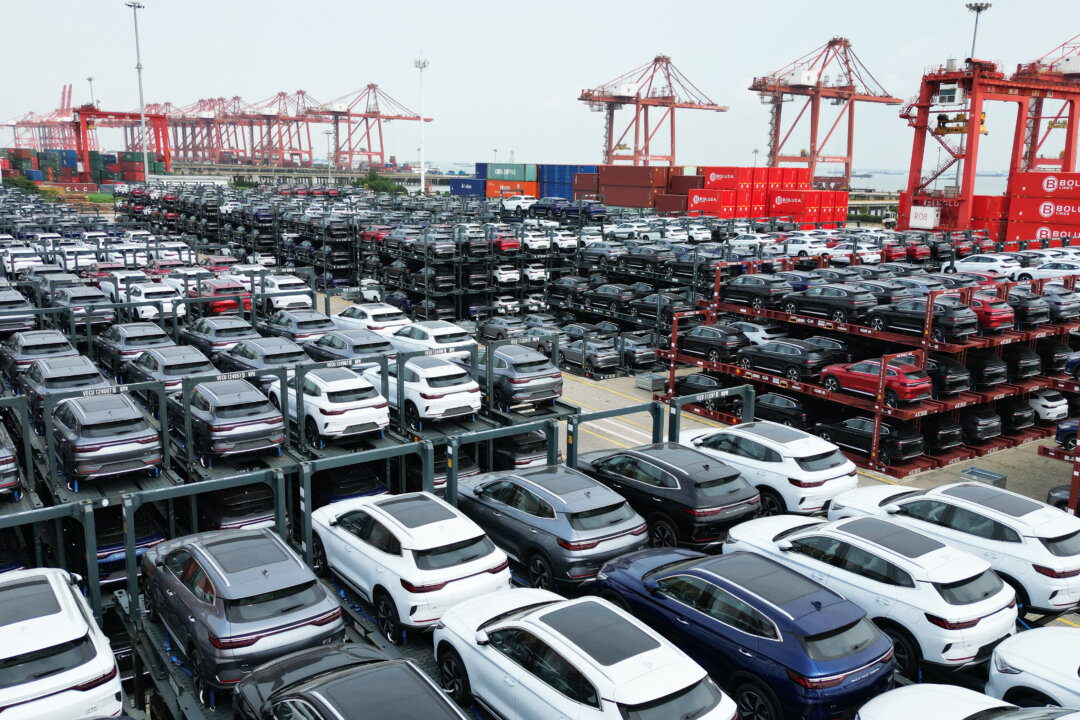
Auto Alliance Presses Congress for Permanent Ban on Chinese Connected Cars
Washington's concerns about Chinese tech extend beyond AI models to connected cars, as we reported.
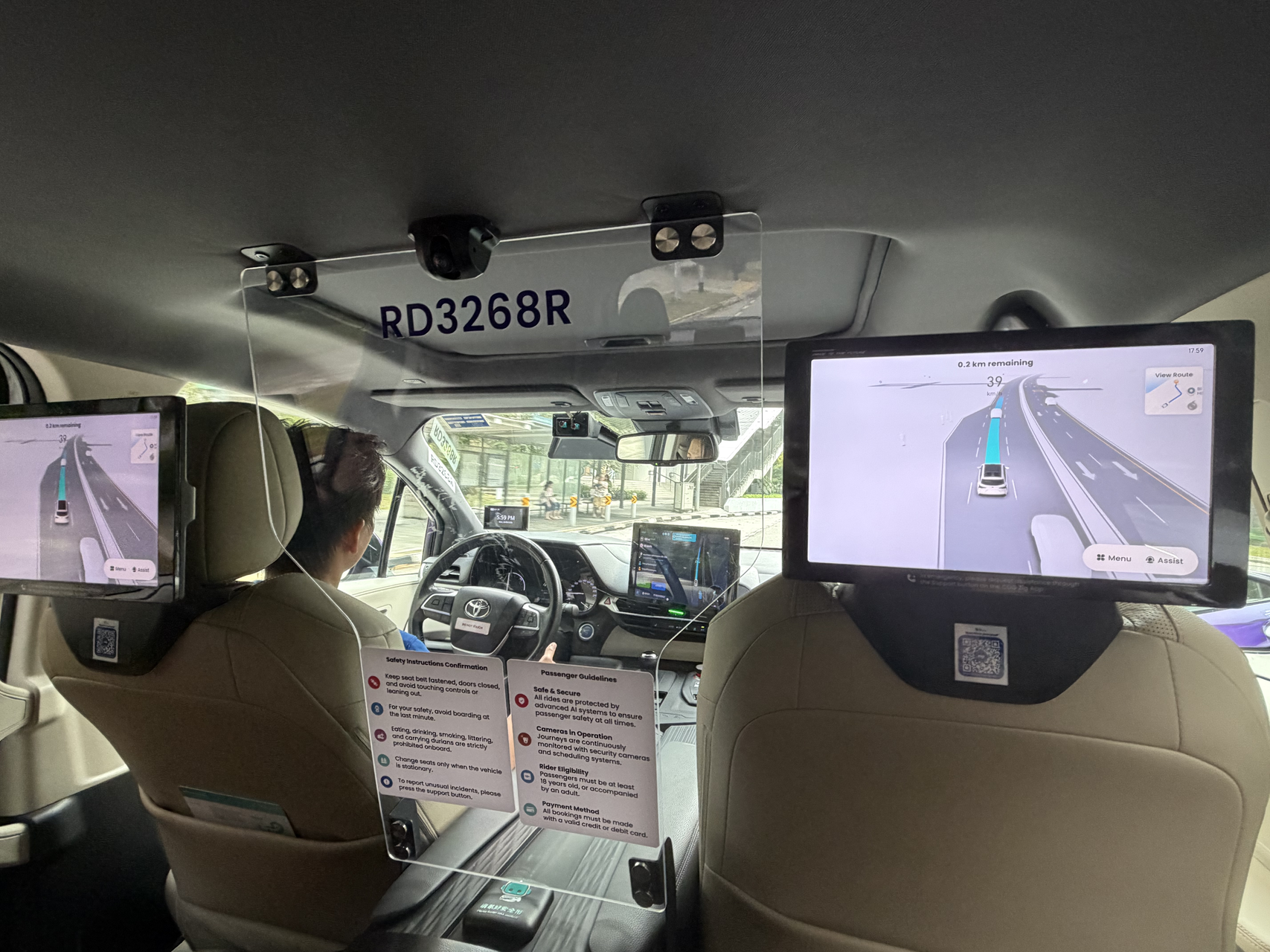
If driverless cars already work, why aren’t they everywhere?
People’s Daily rejects US claims of malicious AI distillation, warns of countermeasures

Databricks to Invest Over US$350 Million in Singapore, Double Its Workforce