
US-China economic rivalry transforming into a battle for leverage
Chinese tech companies including Alibaba, ByteDance, and Tencent are reportedly accessing compute power from Nvidia's GB300 chips remotely through data centers located in Asian countries such as Thailand, Malaysia, and Japan. This development follows a White House accusation against Moonshot AI for using advanced Nvidia processors, despite US export controls aimed at restricting China's access to cutting-edge technology. The situation highlights the challenge of controlling technology use across global networks, even with physical chip movement restrictions. The US strategy of allowing sales of less advanced H200 chips to China while embargoing Blackwell chips aimed to maintain influence, but China continues to develop its AI sector with a focus on self-reliance. This ongoing dynamic reflects the broader US-China economic rivalry, now evolving into a battle for technological leverage and autonomy.
The reported remote access by Chinese tech giants like Alibaba and Tencent to Nvidia GB300 chips via data centers in Thailand, Malaysia, and Japan shows the limits of US export controls. Physical restrictions on chip movement do not fully prevent access to advanced computing power, as global technology networks offer alternative pathways. This dynamic forces a re-evaluation of how effective current US policies are in containing China's AI development. China's rapid progress in AI, as noted by the 2026 Stanford AI Index, indicates a narrowing performance gap with the US. While America leads in top-tier AI models, China excels in AI publication volume and patent output. This suggests China's growing capacity for indigenous AI development, which blunts US efforts to exert leverage through technology restrictions. The White House's "The Great Transshipment Scam" report also points to the adaptability of China-linked supply chains, with goods routed through over 40 countries to evade tariffs. For Asia, this means continued strategic importance as a hub for data centers and a conduit for technology access, even as geopolitical tensions persist. The region will remain central to both US and Chinese tech strategies.
Related reading
6 stories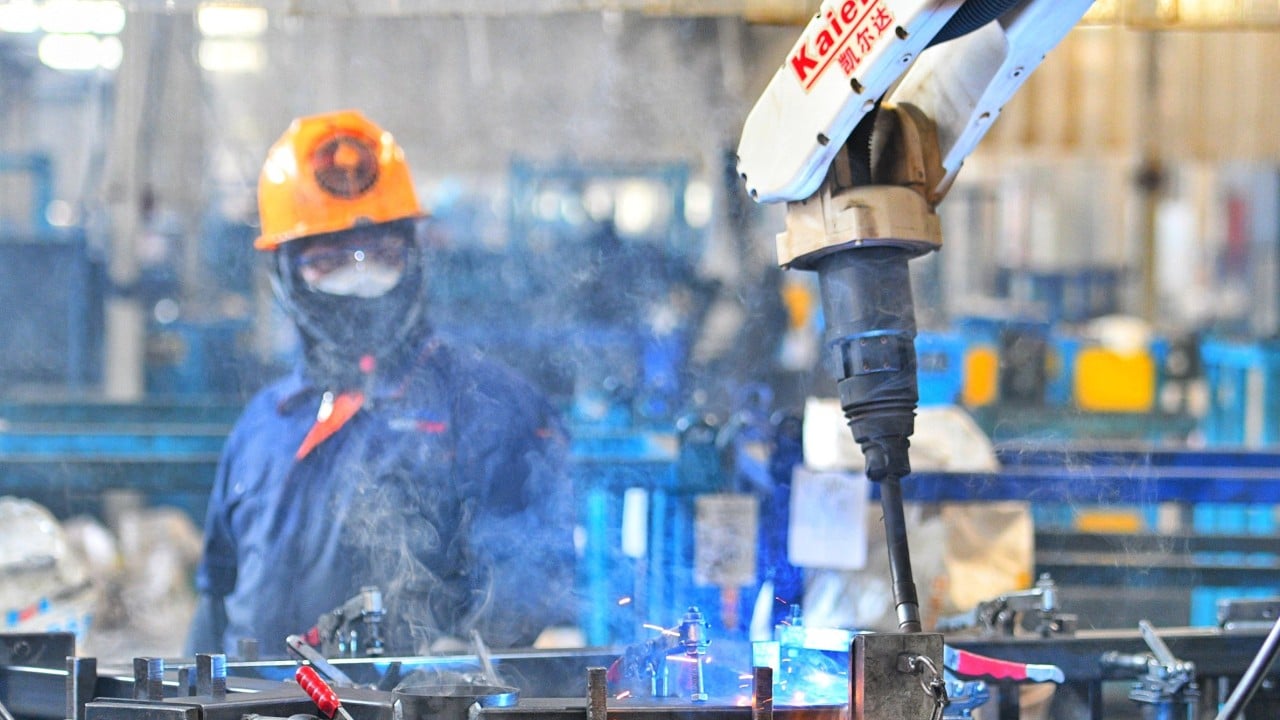
China prepares next phase of national SME fund to boost tech start-ups and IPOs
China's national SME fund aims to boost tech start-ups, a key area in the US-China economic rivalry.
People’s Daily rejects US claims of malicious AI distillation, warns of countermeasures

Databricks to Invest Over US$350 Million in Singapore, Double Its Workforce

ByteDance’s AI-enhanced short-drama app eclipses China’s Netflix rivals combined

Personetics Launches AI Banking Console for Relationship Managers
