US-China AI agreement, G20 trade spat, inflation data
The United States and China, along with other G20 nations, have agreed on a framework for light-touch AI regulation. This rare consensus emerged during a meeting in North Carolina, where members supported sector-specific rules and rejected the creation of new AI regulatory bodies. This agreement could lay groundwork for future discussions between the two tech rivals ahead of an upcoming presidential summit. The policy aims to foster innovation while addressing AI risks, reflecting a shared global interest in managing the technology's development. This marks a significant step in international AI governance.
The G20 agreement on light-touch AI regulation, particularly the US-China consensus, is a notable development for Asian markets. It suggests a global preference for flexible, sector-specific rules over broad, new regulatory bodies. For countries like Singapore and South Korea, which are actively developing their own AI strategies and regulatory sandboxes, this G20 stance validates their existing approaches that prioritize innovation alongside governance. It also reduces the immediate risk of fragmented global AI standards that could complicate cross-border AI development and deployment for Asian tech firms. However, the challenge lies in the implementation of "sector-specific rules." While avoiding new regulators, the agreement still leaves room for diverse national interpretations, especially concerning data privacy and algorithmic transparency. For Chinese AI companies, this framework could offer some stability against more restrictive Western policies, but the devil will be in the details of how these principles translate into national laws. The real test will be whether this G20 consensus can withstand geopolitical pressures and lead to harmonized practices that benefit Asia's rapidly growing AI sector, rather than creating new non-tariff barriers.
Related reading
6 stories
Deleveraging clouds China’s AI trade as rising US Treasury yields, inflation fears persist
We previously explored how deleveraging and inflation fears were already clouding China's AI trade.

How China Works author on the data economy, robots and AI
A deeper dive into China's data economy and AI landscape from a leading author.
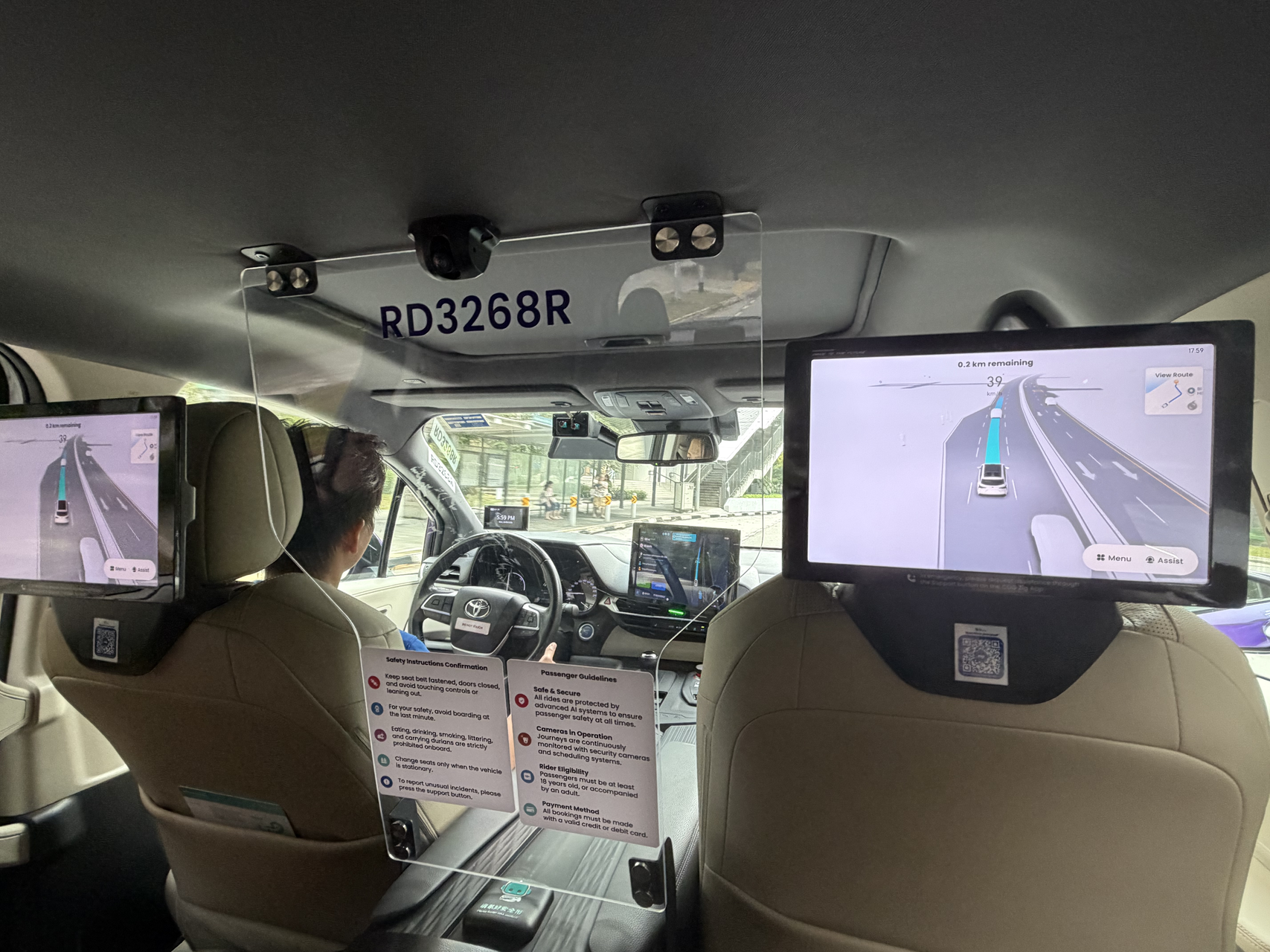
If driverless cars already work, why aren’t they everywhere?
People’s Daily rejects US claims of malicious AI distillation, warns of countermeasures

Sumsub Launches Workforce Verification as Deepfake Risks Grow