
Trump Announces Plans for World’s Largest AI Data Center to Beat China
Former President Donald Trump has outlined plans for what he describes as the world's largest AI data center, a project intended to meet the massive electricity demands of artificial intelligence and assert U.S. dominance over China. The proposed facility would require immense computing power, consuming electricity at rates comparable to small cities. Trump framed the initiative as both an economic engine, creating thousands of construction jobs and attracting billions in private investment, and a national security imperative. He also suggested streamlining environmental reviews and permitting processes to accelerate development, though specific locations were not named during the interview with podcaster Patrick Bet-David.
The discussion around a proposed U.S. mega data center for AI, while framed by Trump as a competitive move against China, highlights a universal challenge for Asia's tech sector: energy infrastructure. Data centers are projected to consume up to eight percent of total U.S. electricity by 2030, a demand that mirrors the strain on grids across Asia. Countries like Singapore and Japan, which are rapidly expanding their AI capabilities, face similar pressures to secure stable, high-capacity power sources for their own growing data center footprints. This energy crunch is a critical bottleneck for AI development everywhere. For Asian markets, the push for large-scale AI infrastructure in the U.S. suggests a tightening global race for specialized hardware and green energy solutions. While the U.S. aims to outpace China, the underlying need for GPUs, advanced cooling, and reliable power will drive innovation and investment in these areas globally. Asian companies in renewable energy, power grid technology, and data center construction could see increased demand as regional governments and private firms grapple with these same infrastructure demands.
Share this article
Related reading
6 stories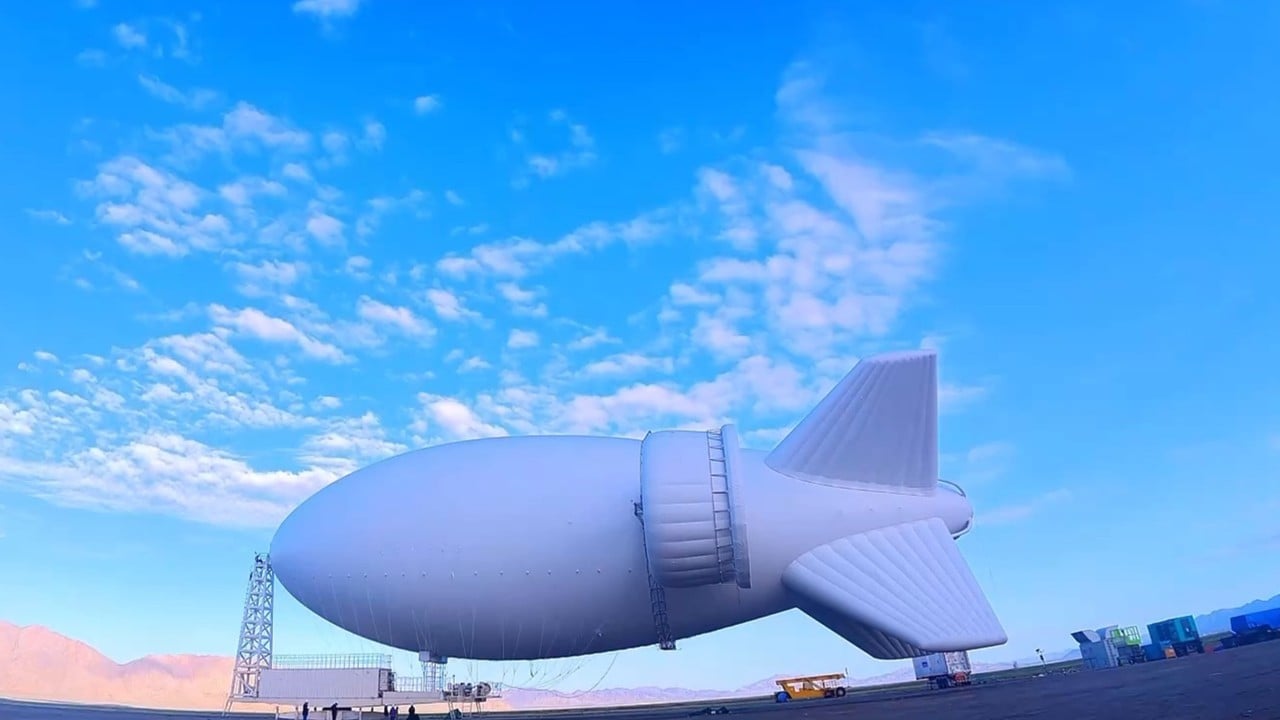
China taps high-altitude winds for power generation by flying craft to 4,000m
As AI data centers strain power grids, China explores high-altitude wind power, a potential solution for energy demand.
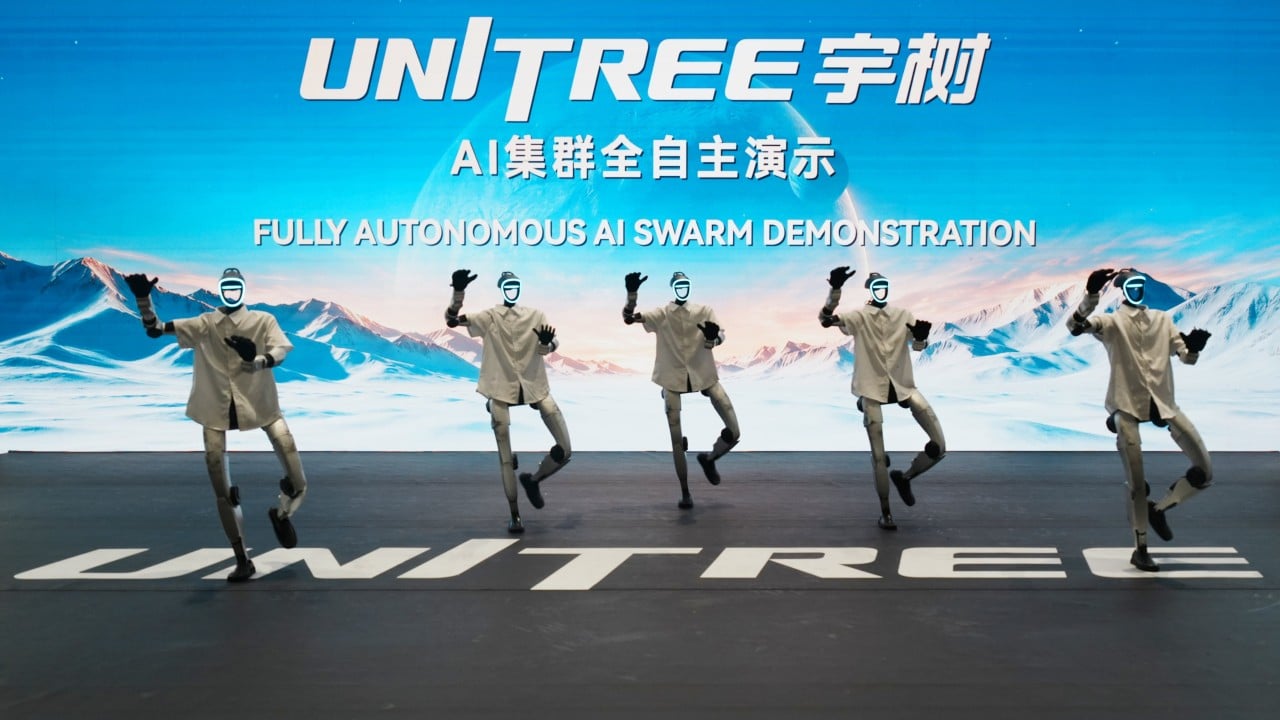
Unitree developing AI system to let humanoid robots improve themselves

Firm behind planned Anthropic data centre in Nova Scotia denies owing fees to N.L. (Canada)

Volkswagen’s Jetta M6 EV launched in China with up to 555 km range, starting at 11,900 USD
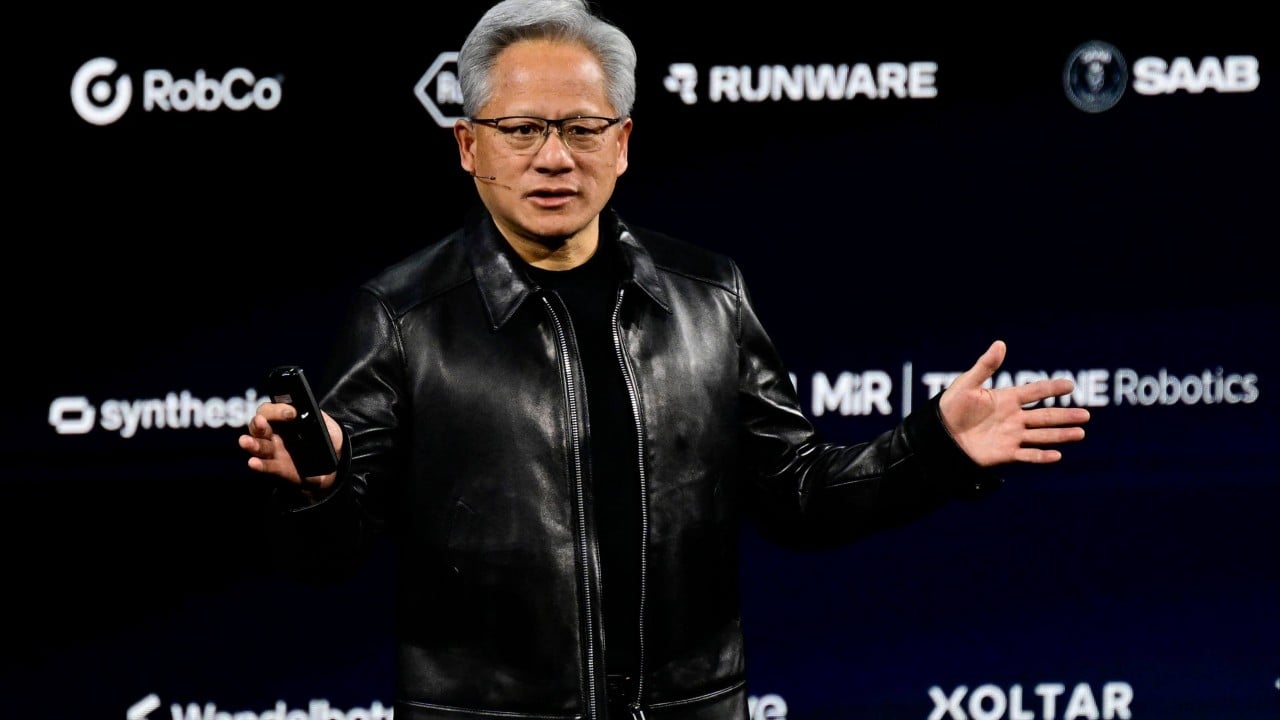
‘Jensen’s nightmare’: Huawei, DeepSeek narrow AI chip ecosystem gap with Nvidia: report
