
The US-China tech contest has moved – to the gatekeeping product testers
The US Federal Communications Commission (FCC) has voted to cease recognizing testing laboratories, telecoms certification bodies, and accreditation organizations in China. This October 29 decision means that certification results from these Chinese facilities may no longer be accepted for electronic products seeking market entry into the United States, shifting a key front in the US-China technology contest.
The technology contest between the United States and China has shifted focus beyond advanced chips and artificial intelligence to the regulatory processes governing market access. Specifically, the new front involves laboratories that certify whether an electronic product meets the necessary standards to enter the American market. These facilities are crucial gatekeepers, responsible for verifying compliance with various technical and safety regulations.
The FCC's recent vote signifies that it will no longer accept certification results from Chinese testing labs, telecoms certification bodies, and accreditation organizations. This change applies to economies lacking a "mutual recognition agreement" or comparable arrangement with the US. For manufacturers, this directly impacts the pathway for products tested in these Chinese facilities to gain regulatory approval for sale in the American market.
This regulatory move exposes a strategic weakness for Beijing, as the ability to control the acceptance of its test results by a major export market is diminished. The implication is that a product's ability to reach US consumers is now subject to a new regulatory hurdle concerning where its compliance testing is performed, rather than solely its inherent quality or technological sophistication.
Share this article
Related reading
6 stories
Yuno Expands Payment Options in APAC, Europe With Ecommpay

Anthropic Adds Personal Finance Tracking to Claude
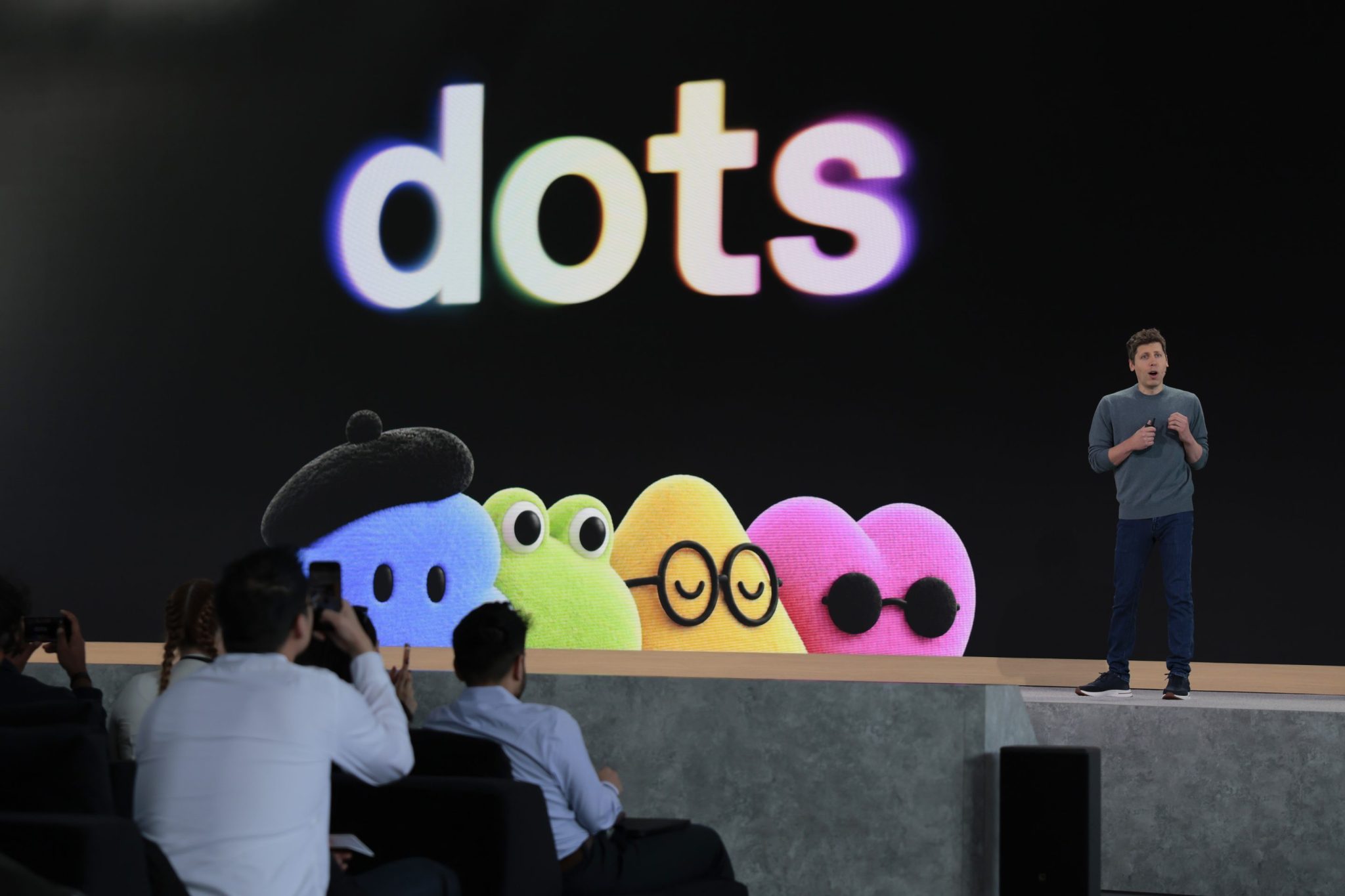
OpenAI’s Dots are coming up against the price of privacy, and the price of compute
